Proximity sensors are remarkable devices capable of detecting the presence or absence of an object without physical contact. A common and intriguing question is whether and how these sensors can function through solid barriers like walls. While the term "through walls" can be misleading, certain types of proximity sensors operate on principles that allow them to detect objects or motion on the other side of non-metallic, relatively thin barriers. This capability is not magic but grounded in specific physics.
The core principle enabling "through-wall" detection lies in the sensor's ability to emit and receive energy fields that can penetrate certain materials. Not all proximity sensors possess this ability. The two primary types capable of this are capacitive sensors and microwave/radar-based sensors. Inductive sensors, another major category, are ineffective for this purpose as their electromagnetic fields are blocked by most solid materials, especially walls.
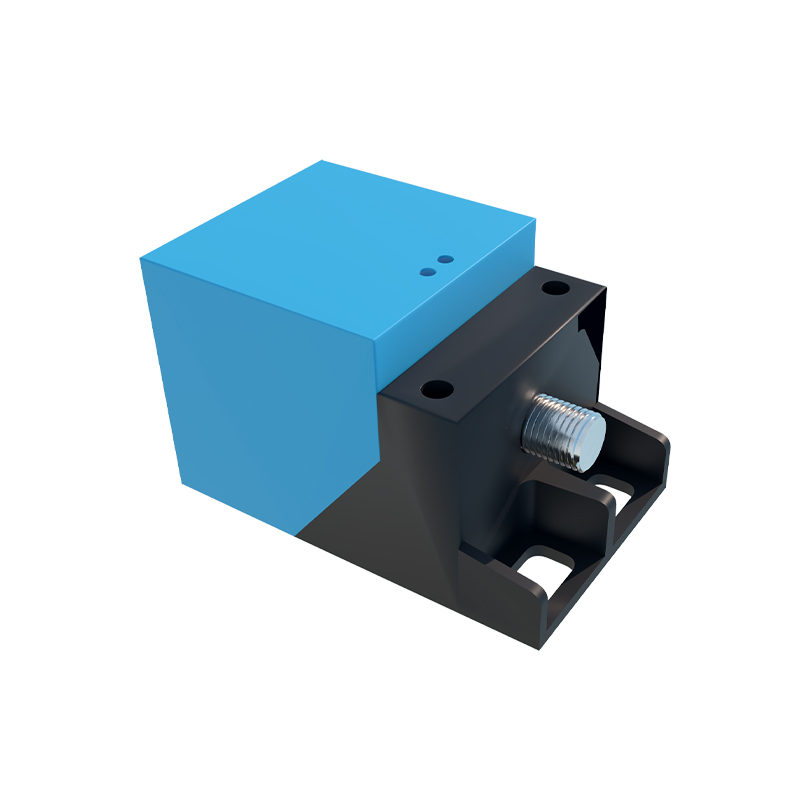
Capacitive proximity sensors operate by generating an electrostatic field. They detect changes in capacitance—the ability to store an electrical charge. When an object enters this field, it alters the capacitance, triggering the sensor. For non-metallic walls made of materials like drywall, wood, or plastic, the electrostatic field can penetrate to a limited degree. The sensor essentially treats the wall as part of the dielectric (insulating material) in a capacitor. A significant movement or the presence of a conductive object (like a human body) on the other side can cause a detectable change in the overall capacitance. However, the wall's thickness and material composition drastically affect performance. Thick, dense, or moist walls will attenuate the field, reducing sensing range or preventing detection entirely.
Microwave and radar-based motion sensors represent a more robust solution for through-barrier detection. These sensors emit continuous or pulsed radio waves in the microwave frequency spectrum (e.g., 5.8 GHz, 10.525 GHz). These high-frequency radio waves can penetrate non-conductive materials such as drywall, wood, glass, and plastic. The principle is based on the Doppler Effect. The emitted waves travel through the wall, reflect off a moving target on the other side, and return to the sensor. The movement causes a shift in the frequency of the reflected wave. The sensor's circuitry analyzes this frequency shift to confirm motion. These sensors are highly effective for detecting human movement through interior walls and are commonly used in security systems and automatic lighting. It is crucial to note that metallic barriers, reinforced concrete, or walls with metallic mesh will block these waves completely.
Several critical factors determine the feasibility and reliability of through-wall sensing. The wall material is paramount. Non-metallic, low-density materials are permeable, while metals are absolute blockers. The wall thickness is equally important; thicker walls cause greater signal attenuation. The target object itself must be suitable—a capacitive sensor is more sensitive to conductive or high-dielectric targets (people, liquids), while a radar sensor detects movement. Finally, environmental conditions like humidity can affect capacitive sensing, and radio frequency interference can impact radar sensors.
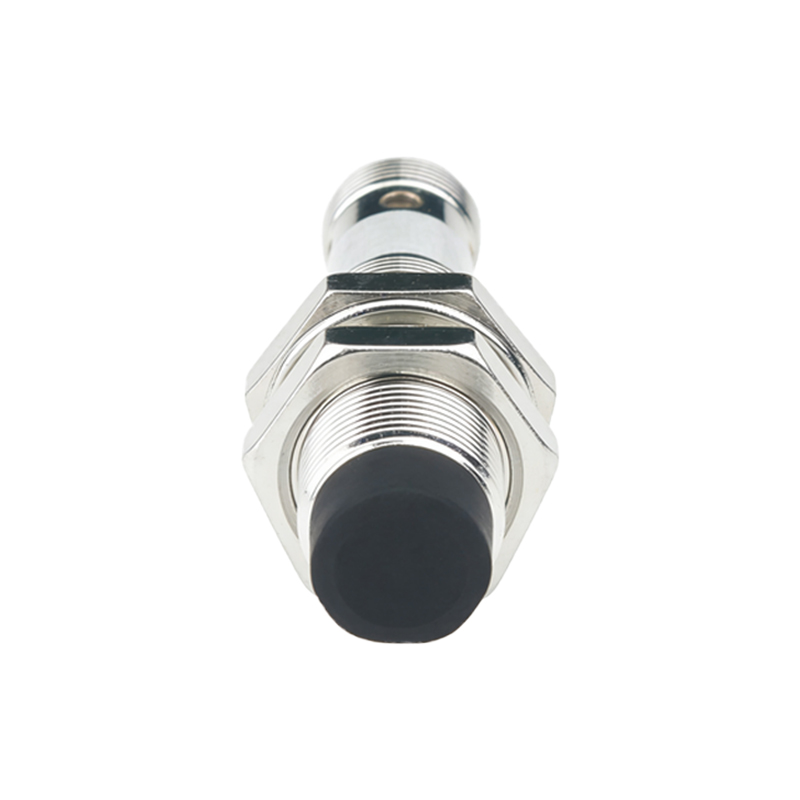
Practical applications of this technology are widespread. In building automation, microwave sensors are used for room occupancy detection, turning lights on/off even when installed inside a ceiling or wall, providing a clean aesthetic. In security, they form the basis of through-wall motion detectors. In industrial settings, capacitive sensors can monitor material levels inside non-metallic containers (plastic, glass) without direct contact with the product.
It is a misconception that these sensors "see" through walls like an X-ray. They detect changes in an energy field that penetrates the barrier. Their operation is statistical and based on threshold changes, not imaging. Users must also consider privacy and regulatory aspects, especially with radar-based devices, to ensure compliance with local regulations on radio frequency emissions.
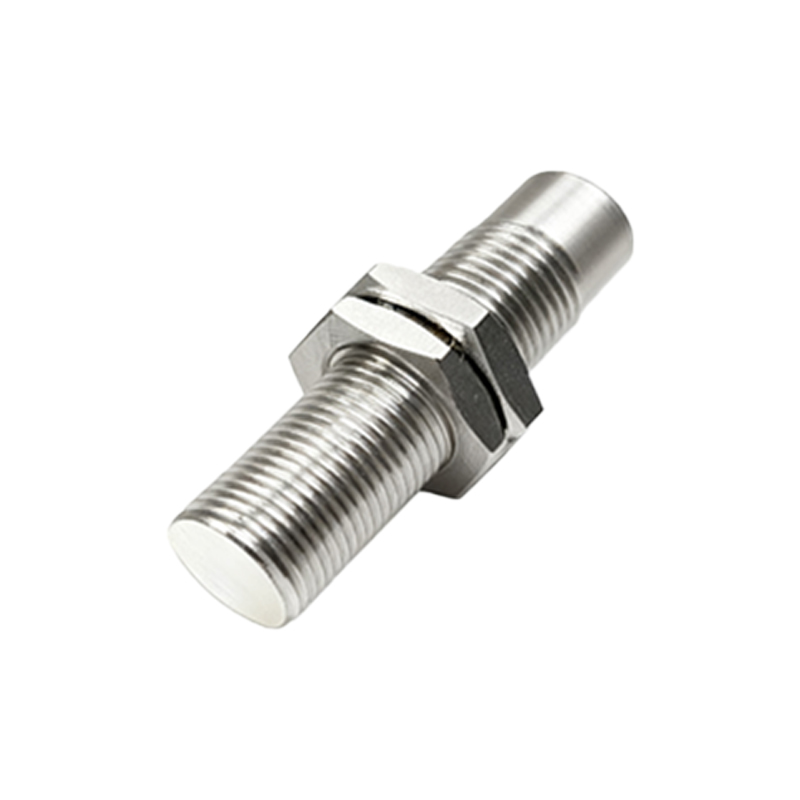
In conclusion, the ability of certain proximity sensors to function through walls is a practical application of field-based sensing physics. By leveraging penetrating electrostatic or microwave fields, capacitive and radar sensors provide non-invasive detection solutions for automation, security, and industrial monitoring. Success depends on carefully matching the sensor technology to the specific barrier material, thickness, and the nature of the target.