Local proximity sensors have become indispensable components in modern industrial automation, consumer electronics, and smart systems. These devices detect the presence or absence of objects within a defined range without physical contact, enabling precise control, safety enhancements, and user interface innovations. The fundamental principle involves emitting a field or beam of electromagnetic radiation, typically infrared light, ultrasonic waves, or an electromagnetic field, and analyzing the changes in the return signal caused by a nearby object.
Several core technologies dominate the local proximity sensor landscape. Infrared (IR) sensors are among the most common, utilizing an IR LED to emit light and a photodiode to detect its reflection. They are cost-effective and widely used in devices like smartphones for screen blanking during calls. Ultrasonic sensors operate by emitting high-frequency sound waves and measuring the time delay of the echo. They excel in detecting objects regardless of color or transparency and are prevalent in parking assistance systems and liquid level sensing. Inductive proximity sensors generate an oscillating electromagnetic field to detect metallic objects, making them robust for harsh industrial environments like assembly lines. Capacitive sensors can detect both metallic and non-metallic materials, including liquids and granular substances, by sensing changes in capacitance, and are used in applications like touchscreens and material level detection.
The selection of a local proximity sensor depends heavily on the application's specific requirements. Key parameters include sensing range, response time, repeat accuracy, environmental robustness (against dust, moisture, temperature), and the material properties of the target object. For instance, an inductive sensor is ideal for counting metal gears on a conveyor belt, while a capacitive sensor is better suited for monitoring plastic granule levels in a hopper.
In industrial automation, these sensors are the backbone of position verification, object counting, and machine safety. They ensure robotic arms operate within safe zones, confirm parts are present before a machining operation, and prevent collisions. In the consumer realm, they enable features like automatic faucets, hand dryers, and the aforementioned smartphone screen management. The automotive industry integrates them for blind-spot monitoring, automatic parking, and obstacle detection.
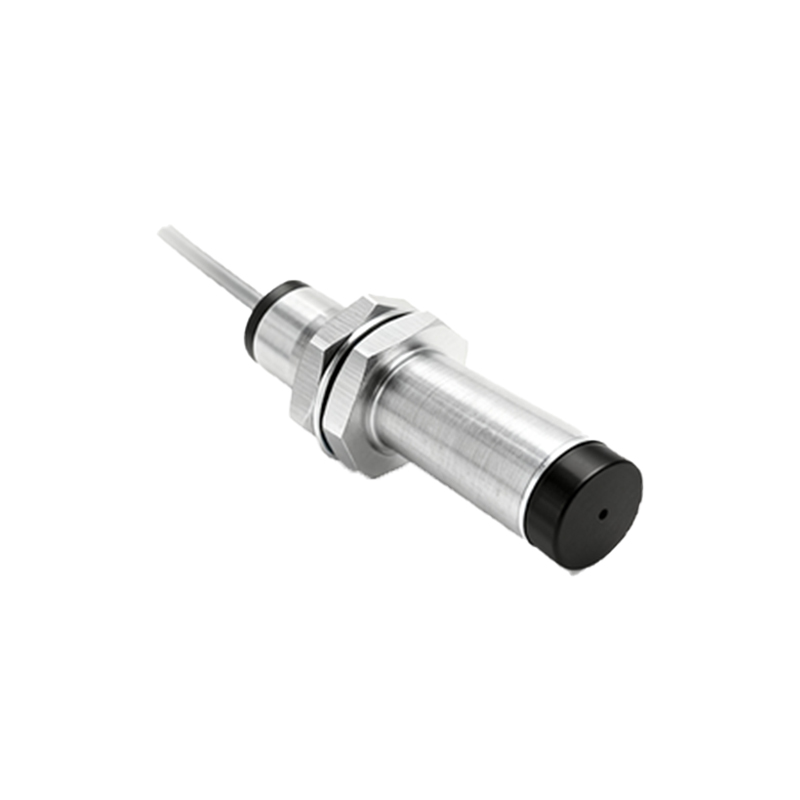
Recent advancements focus on miniaturization, increased intelligence, and enhanced integration. Modern sensors often include integrated signal processing, digital interfaces (like IO-Link), and self-diagnostic capabilities. This allows for easier setup, predictive maintenance, and seamless communication within the Industrial Internet of Things (IIoT) ecosystem. The development of time-of-flight (ToF) sensors, which measure the round-trip time of light with high precision, is enabling new applications in gesture recognition and 3D imaging.
Implementing local proximity sensors requires careful consideration. Engineers must account for factors such as the sensor's mounting, the target object's size and surface characteristics, and potential interference from ambient light, sound, or other electromagnetic sources. Proper shielding, alignment, and environmental protection are crucial for reliable operation.
Looking ahead, the evolution of local proximity sensing is intertwined with trends in smart manufacturing, autonomous systems, and human-machine interaction. As machines become more collaborative and environments more connected, the demand for sensors that are smaller, smarter, more accurate, and more communicative will only grow. They will continue to be silent, yet critical, enablers of efficiency, safety, and innovation across countless domains, from factory floors to our everyday devices.