Proximity sensors are widely used in industrial automation, robotics, and safety systems to detect the presence or absence of objects without physical contact. Proper mounting is critical for ensuring accurate detection, reliability, and longevity of these sensors. This article explores common mounting techniques, considerations for different environments, and best practices to optimize performance.
One of the primary mounting methods is flush mounting, where the sensor is installed so that its sensing face is aligned with the surrounding metal or mounting surface. This approach minimizes the risk of mechanical damage and reduces interference from adjacent metallic objects. Flush-mounted sensors typically have a shorter sensing range but offer excellent resistance to environmental factors like dust and moisture. They are ideal for applications where space is limited or where the sensor must be protected from impacts.
Non-flush mounting, also known as exposed mounting, involves installing the sensor with its sensing face protruding from the mounting surface. This method allows for a longer sensing range and is suitable for detecting smaller objects or materials with lower magnetic permeability. However, non-flush sensors are more vulnerable to physical damage and may require additional shielding in harsh environments. Care must be taken to avoid mounting them too close to conductive materials that could cause false triggers.
For cylindrical sensors, threaded mounting is the most common approach. Sensors with standard threads (e.g., M8, M12, M18, M30) can be easily installed into pre-tapped holes or mounting brackets. Using lock nuts or mounting brackets ensures stability and allows for precise adjustment of the sensor’s position. It is essential to follow the manufacturer’s recommended torque specifications to avoid damaging the sensor housing or affecting its sealing integrity, especially in IP-rated applications.
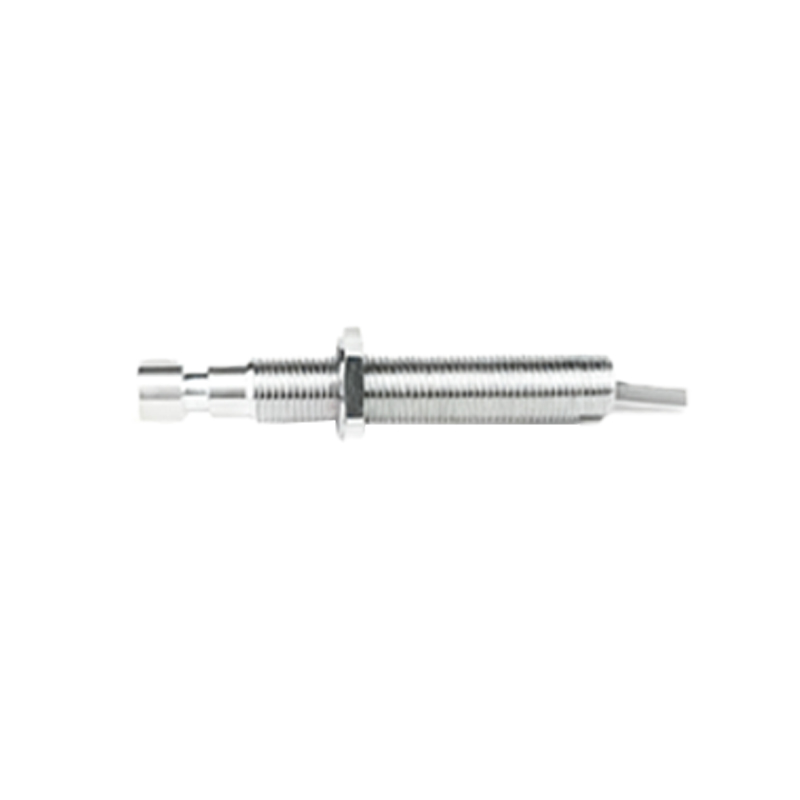
In dynamic or high-vibration environments, additional mounting accessories may be necessary. Vibration-resistant brackets, shock-absorbing mounts, and flexible conduits can help mitigate mechanical stress. Sensors used in mobile equipment or on conveyor systems should be mounted with redundancy or protective guards to prevent misalignment due to constant movement.
Environmental factors play a significant role in mounting decisions. In corrosive or wet conditions, stainless steel housings and higher IP (Ingress Protection) ratings are advisable. For high-temperature applications, sensors with extended temperature ranges should be selected, and mounting should avoid direct exposure to heat sources. Electromagnetic interference (EMI) can affect inductive and capacitive sensors, so maintaining distance from motors, transformers, or power cables is crucial. Shielded cables and proper grounding further enhance noise immunity.
Alignment and orientation are often overlooked but vital aspects. The sensing field should be perpendicular to the target’s approach direction for consistent detection. For cylindrical targets, the sensor must be centered to avoid signal fluctuations. Regular maintenance, including cleaning the sensing face and checking mounting hardware for looseness, helps sustain optimal performance.
In summary, selecting the right mounting method depends on the sensor type, target characteristics, operating environment, and application requirements. By adhering to engineering guidelines and considering factors like vibration, temperature, and interference, users can ensure reliable and long-lasting proximity sensor operation. Always consult the sensor’s datasheet and industry standards (e.g., IEC 60947-5-2) for specific mounting recommendations.