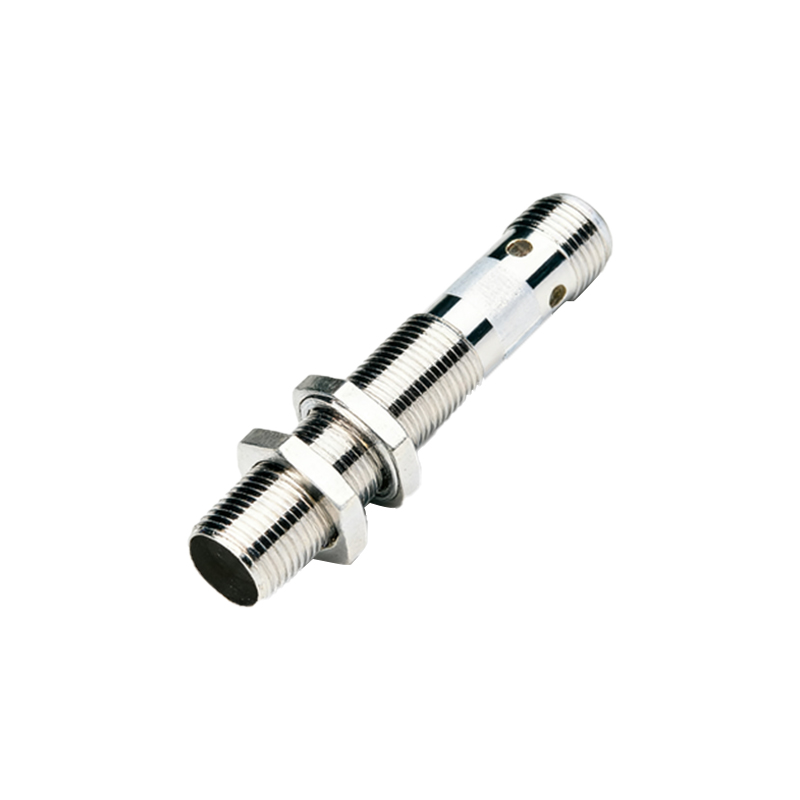
In industrial environments where flammable gases, vapors, or combustible dusts are present, standard electronic equipment can become a source of ignition. This is where specialized safety technology, such as explosion-proof ultrasonic proximity sensors, becomes not just an advantage but a critical necessity. These robust devices are engineered to perform reliably in classified hazardous areas, providing non-contact detection without sparking the very materials they are monitoring.
An explosion-proof ultrasonic proximity sensor operates on the same fundamental principle as its standard counterpart: it emits high-frequency sound waves (typically beyond the range of human hearing) and listens for the echo. By calculating the time difference between the emission and the return of the signal, the sensor can accurately determine the presence, absence, or distance to a target object. What sets it apart is its meticulously designed housing and internal construction. This housing is built to contain any explosion that might occur within its enclosure, preventing the ignition from propagating to the surrounding hazardous atmosphere. Key components are often potted or sealed to withstand pressure, and any gaps or joints are machined to very specific tolerances to cool escaping gases below the ignition temperature of the ambient environment.
The construction of these sensors adheres to stringent international standards and certification systems. Common certifications include ATEX (for Europe), IECEx (international), and NEC/CEC classifications (for North America, like Class I, Division 1). These certifications define the specific types of hazardous atmospheres (gas groups, dust types) and temperature classes for which the sensor is approved. Selecting a sensor with the correct certification for the specific zone (e.g., Zone 0, 1, or 2 for gases) is a legal and safety imperative.
The applications for explosion-proof ultrasonic sensors are vast and vital across numerous high-risk industries. In oil and gas refineries and offshore platforms, they are used for tank level monitoring, detecting the presence of equipment, and ensuring safe clearances. Chemical and pharmaceutical plants employ them for process control in vessels containing volatile solvents. In grain silos, flour mills, and wood processing facilities, they monitor bulk material levels where combustible dust clouds pose a constant threat. They are also indispensable in paint spray booths, wastewater treatment plants, and mining operations.
When implementing these sensors, several advantages become clear. Their non-contact nature means no physical wear from the target, leading to exceptional long-term reliability. They are largely immune to the color, transparency, or material of the target (unlike optical sensors), making them suitable for detecting liquids, granular solids, and opaque objects. They perform well in environments with airborne contaminants like dust, mist, or light foam. However, practical considerations must be addressed. Extreme temperature fluctuations can affect the speed of sound and require compensation. Very dense vapors or heavy, accumulating dust can attenuate the signal. The physical housing, while robust, is typically larger and heavier than standard sensors, requiring careful mounting.
Installation and maintenance follow strict protocols. Conduit seals are often required on the cable entry points to maintain the integrity of the explosion-proof seal. Regular inspections should check for damage to the housing, the integrity of sealing surfaces, and the clarity of the transducer face. The sensor itself requires no routine calibration, but its performance should be verified periodically against known reference points.
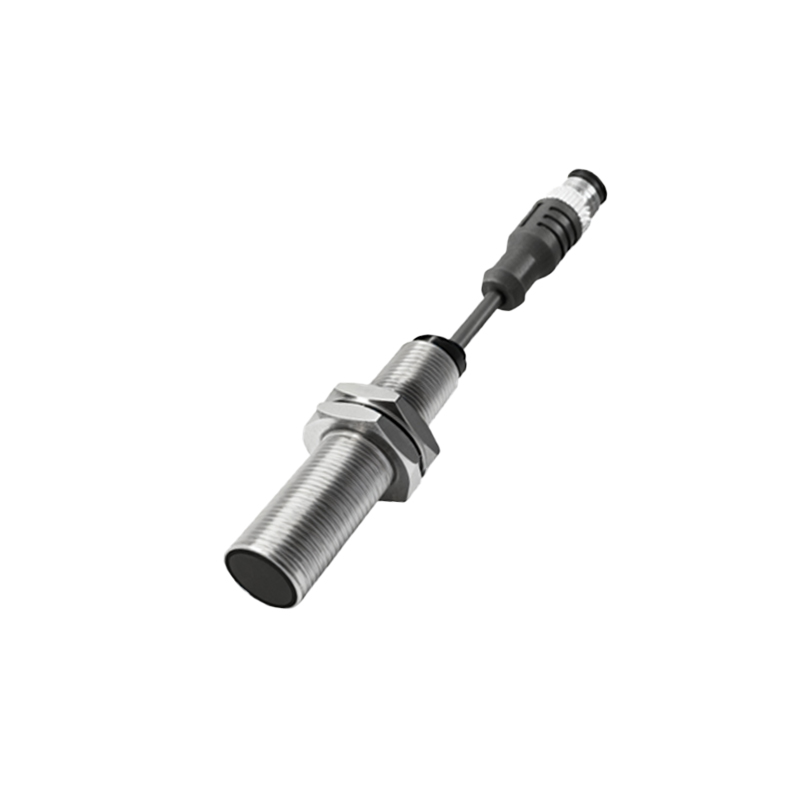
In conclusion, explosion-proof ultrasonic proximity sensors represent a fusion of precise measurement technology and rigorous safety engineering. They enable automation and process control to proceed safely in the world's most challenging industrial settings. By providing reliable, non-contact detection, they help prevent overfills, monitor critical processes, and protect both infrastructure and personnel. For engineers and safety managers operating in hazardous locations, understanding and correctly applying this technology is a cornerstone of modern industrial safety and efficiency.