In the dynamic environment of industrial facilities, overhead cranes are indispensable workhorses, moving heavy loads with precision. However, their operation in close proximity to personnel, infrastructure, and other equipment presents inherent risks. This is where overhead crane proximity sensors emerge as a critical technological safeguard, transforming crane operations by preventing collisions and enhancing overall workflow efficiency.
At their core, proximity sensors for cranes are non-contact detection devices. They are strategically installed on the crane's bridge, trolley, or hook block to create an invisible safety envelope. These sensors continuously monitor the crane's surroundings for the presence of objects within a predefined range. Unlike physical limit switches that require contact, proximity sensors detect objects through various fields, such as electromagnetic, infrared, or ultrasonic. When an object enters the detection zone, the sensor sends an immediate signal to the crane's control system. This signal can trigger a range of automated responses, from activating audible and visual alarms to automatically slowing down or completely stopping the crane's motion, thereby preventing a potential impact.
The implementation of these sensor systems delivers profound benefits, primarily in the realm of safety. The most significant advantage is the drastic reduction in collision-related incidents. By providing an automatic warning and stopping function, sensors protect not only ground personnel but also the crane itself and valuable infrastructure like building columns, walls, and other cranes operating on the same runway. This proactive approach minimizes the risk of equipment damage, structural harm, and most importantly, workplace injuries. Furthermore, sensors contribute to operational efficiency. By preventing abrupt emergency stops caused by operator error or blind spots, they ensure smoother material handling cycles. Operators can work with greater confidence and at optimized speeds, knowing the system provides a reliable safety backup. This reduces load sway, minimizes product damage, and decreases downtime associated with accident investigations and repairs.
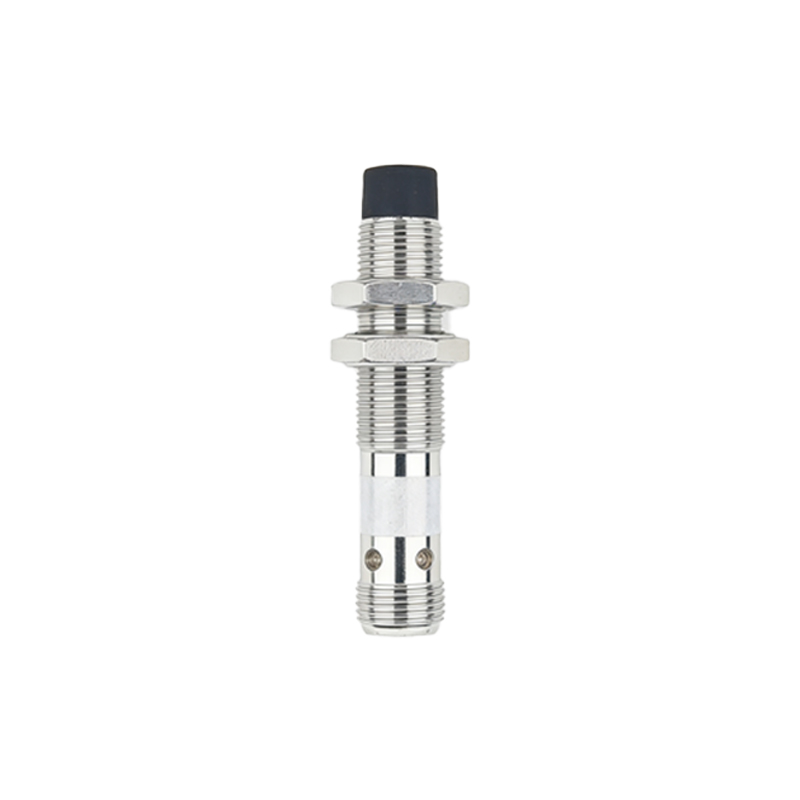
Several types of proximity sensing technologies are employed, each suited to specific applications. Inductive Sensors are commonly used for detecting metallic objects, such as another crane or a steel column. They are robust and reliable in harsh environments with dust or moisture. Ultrasonic Sensors measure distance by emitting sound waves and are excellent for detecting a wide variety of materials, regardless of color or composition. They are ideal for applications requiring precise distance measurement to non-metallic objects. Laser Distance Sensors offer high accuracy for positioning and anti-sway control, ensuring the hook or load is precisely placed. RFID (Radio-Frequency Identification) Systems are used for zone-based control, where tags placed in specific areas communicate with readers on the crane to enforce speed limits or automatic stops in predefined zones.
Integrating proximity sensors into an overhead crane system requires careful planning. Key considerations include the selection of the appropriate sensor technology based on the target material and environmental conditions (e.g., temperature, dust, humidity). The detection range and the positioning of sensors to eliminate blind spots are crucial. The system must be seamlessly interfaced with the crane's Programmable Logic Controller (PLC) or safety relay system to ensure a fail-safe response. Regular testing and maintenance are imperative to guarantee ongoing reliability, as sensor lenses can become dirty, or calibration can drift over time.
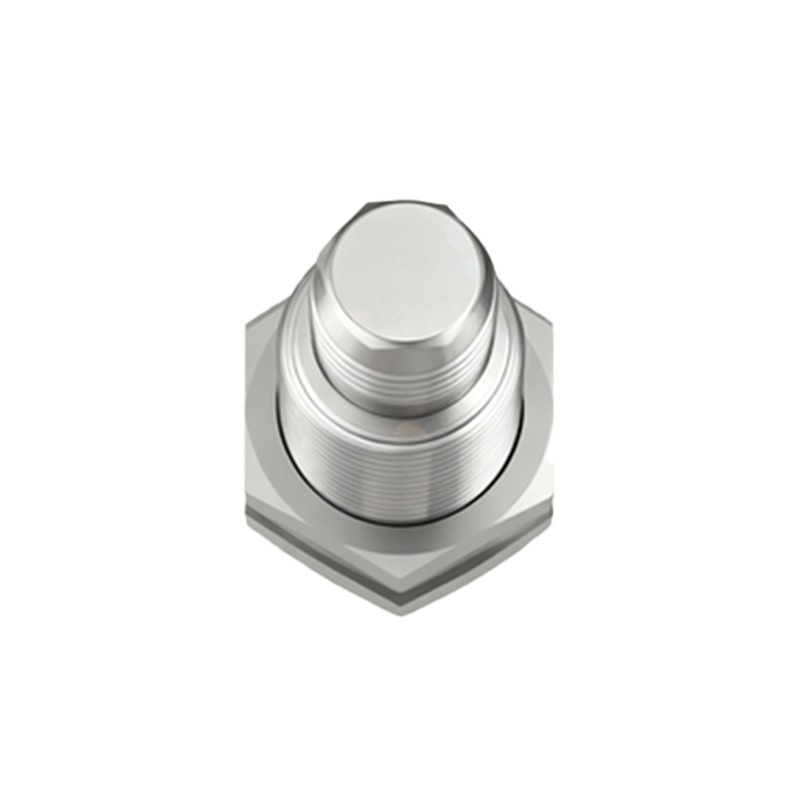
In conclusion, overhead crane proximity sensors are no longer a luxury but a fundamental component of a modern, responsible industrial operation. They represent a smart investment that pays dividends by creating a safer workplace, protecting capital assets, and enabling more efficient, uninterrupted production flows. As technology advances, we can expect these systems to become even more sophisticated, integrating with broader plant-wide automation and data analytics platforms for predictive safety management. For any facility relying on overhead material handling, deploying a robust proximity sensing system is a definitive step towards achieving operational excellence and unwavering safety standards.