Factors Influencing Genuine Proximity Sensor Costs
The price of a genuine proximity sensor is not a random figure but a reflection of a complex interplay of engineering, materials, and market dynamics. At its core, the cost is heavily influenced by the underlying technology. Inductive sensors, designed for metal detection, typically have a different cost structure than capacitive sensors, which can detect a wider range of materials including liquids and plastics. More sophisticated technologies like ultrasonic or laser-based sensors command a premium due to their higher precision, longer range, and complex internal components. The research and development invested in creating reliable, accurate, and durable sensing solutions is a significant cost driver that is embedded in the price of every authentic unit.
The Premium of Quality Materials and Construction
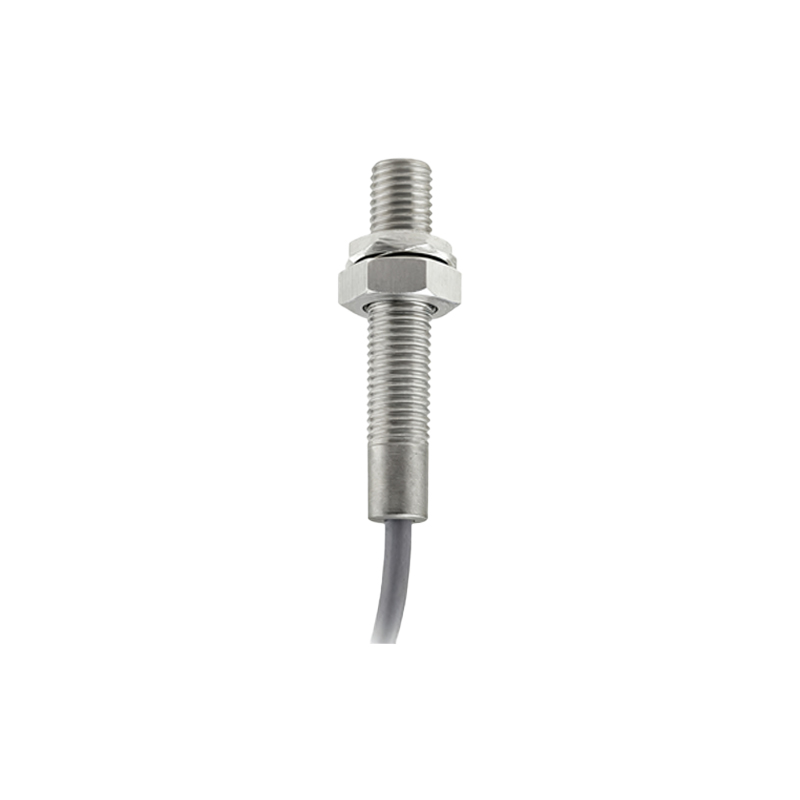
A genuine proximity sensor is built to withstand harsh industrial environments. This durability comes from the use of high-grade materials. The housing is often made from robust stainless steel (like V4A/316L) or nickel-plated brass, offering superior resistance to corrosion, chemicals, and physical impact. Internally, the coil windings, oscillator circuits, and output stages utilize quality electronic components with tight tolerances. The potting compound that seals the sensor head is a specialized material designed to resist moisture, vibration, and thermal shock. These materials are more expensive than those used in generic alternatives, directly impacting the final price but ensuring longevity and consistent performance.
Certifications, Testing, and Reliability Assurance
Reputable manufacturers invest substantially in rigorous testing and certifications, which contribute to the sensor's cost. Genuine sensors often carry international certifications such as UL, CE, ATEX (for hazardous areas), or IECEx. Achieving these certifications requires adherence to strict manufacturing standards and exhaustive testing protocols for electrical safety, electromagnetic compatibility (EMC), and environmental resilience. This process guarantees that the sensor will perform as specified in its datasheet under defined conditions. This assurance of reliability and safety is a key value proposition that justifies a higher price point, reducing the risk of costly machine downtime or safety incidents.
Supply Chain and Brand Value Considerations
The journey from component supplier to the end-user involves a structured supply chain. Authorized distributors and partners of major brands like Siemens, Pepperl+Fuchs, Omron, or Balluff provide essential services such as technical support, warranty fulfillment, and inventory management. These services, along with the brand's reputation for innovation and quality, are factored into the price. Counterfeit or grey market sensors may appear cheaper initially but lack this ecosystem of support. The brand value represents a promise of performance, documented in detailed datasheets and backed by global engineering expertise, which is a tangible asset for industrial buyers.
Total Cost of Ownership vs. Initial Purchase Price
A critical concept in industrial procurement is the Total Cost of Ownership (TCO). While a non-genuine sensor might have a lower upfront cost, its TCO can be significantly higher. Factors include higher failure rates leading to unplanned downtime, potential damage to connected machinery, inconsistent sensing causing quality defects in production, and the labor cost for frequent replacements. A genuine proximity sensor, with its documented mean time between failures (MTBF) and stable performance, minimizes these risks. Therefore, the higher initial investment is often offset by reduced maintenance, higher productivity, and greater operational safety over the sensor's lifespan.
Navigating Price Variations in the Market
Prices for genuine sensors can vary based on specific features and ordering parameters. Key specifications affecting price include sensing distance, housing size (e.g., M8, M12, M18, M30), output type (PNP/NPN, analog, IO-Link), and connection method (cable or connector). Special features like weld-field immunity, high-temperature tolerance, or enhanced hygiene ratings (for food industry) also add cost. Furthermore, purchasing volume plays a role; OEMs buying in large quantities typically receive better pricing than a plant needing a single replacement unit. It is always advisable to consult technical datasheets and authorized distributors for accurate pricing based on exact application requirements.