Introduction to KGE27 Inductive Proximity Sensors
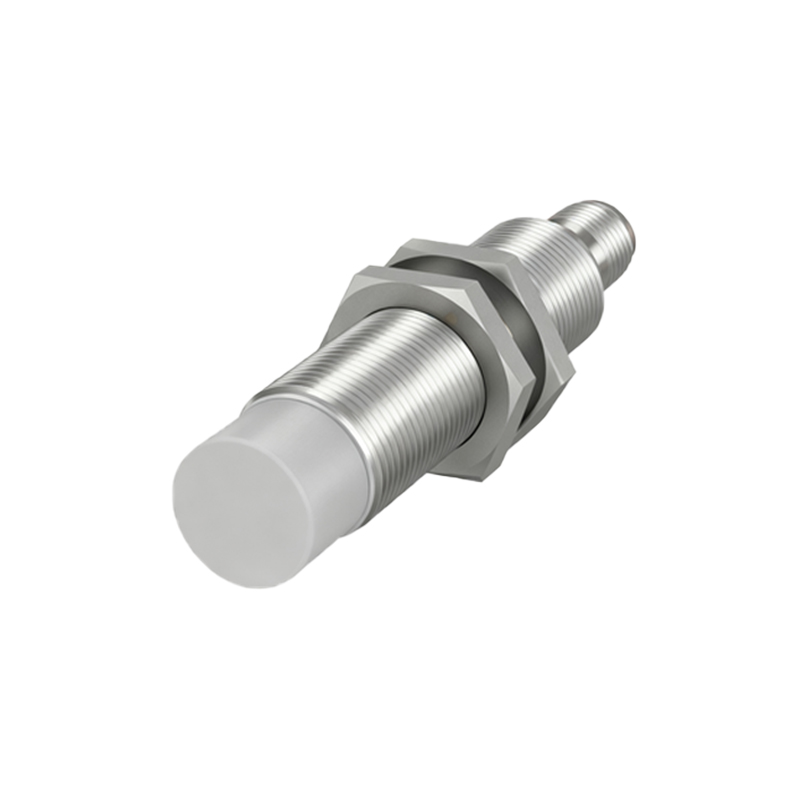
The KGE27 series represents a cornerstone in modern industrial automation, offering reliable non-contact detection of metallic objects. As an inductive proximity sensor, it operates on the principle of electromagnetic induction, generating an oscillating electromagnetic field from its active face. When a ferrous or non-ferrous metal target enters this field, eddy currents are induced, causing a change in oscillation amplitude. This change is detected by the sensor's internal circuitry, which subsequently triggers a solid-state output switch. Designed for robustness, the KGE27 is typically housed in a cylindrical stainless steel or nickel-plated brass body, providing exceptional resistance to mechanical stress, cutting fluids, and coolants commonly found in harsh manufacturing environments like CNC machining centers, automated assembly lines, and material handling systems.
Core Technical Specifications and Operating Principles
Understanding the technical parameters of the KGE27 is crucial for optimal integration. The sensing distance, or nominal range, is a key specification, typically standardized (e.g., 2mm, 5mm, 8mm) and defined for a standard iron target. It's critical to note that the effective sensing distance can vary with different metals; for instance, aluminum or copper requires a reduction factor. The sensor outputs are generally available in NPN (sinking) or PNP (sourcing) configurations, compatible with programmable logic controllers (PLCs) and other control systems. Operating voltage ranges are wide, commonly from 10-30V DC, ensuring compatibility with standard industrial power supplies. The switching frequency, indicating how many on/off cycles per second the sensor can handle, is vital for high-speed applications. Furthermore, features like short-circuit protection, reverse polarity protection, and an LED status indicator are standard, enhancing operational safety and diagnostic capability.
Key Advantages in Harsh Industrial Environments
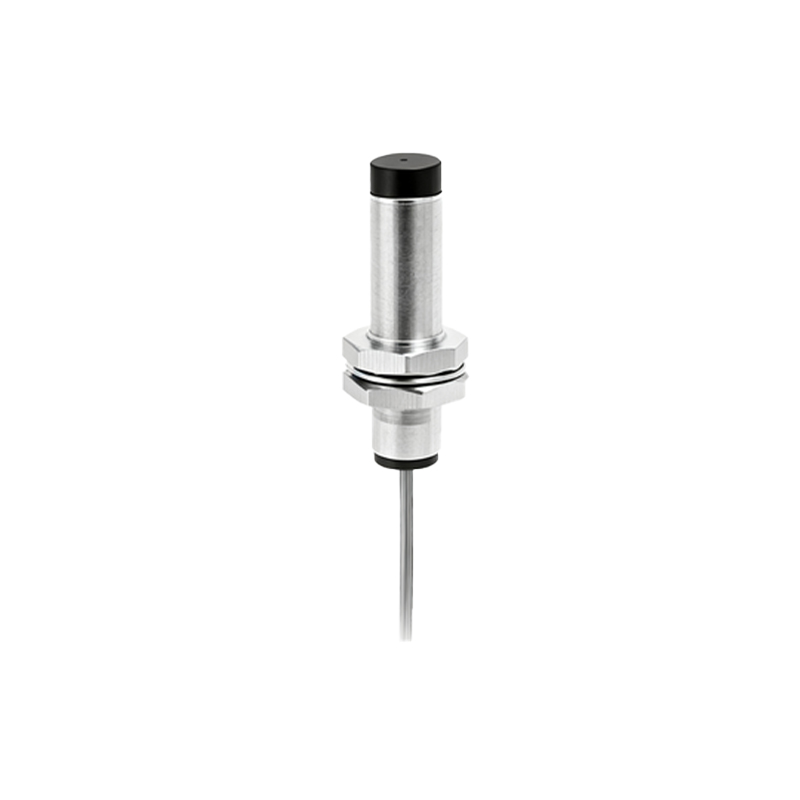
The primary advantage of the KGE27 inductive sensor lies in its unparalleled durability and maintenance-free operation. Unlike mechanical limit switches, it has no moving parts subject to wear, leading to a significantly longer service life. Its hermetically sealed design offers high ingress protection ratings, such as IP67 or IP69K, making it impervious to dust, water jets, and high-pressure washdowns. This makes it ideal for food and beverage or pharmaceutical industries where hygiene is paramount. The sensor is also inherently immune to ambient light interference and can reliably operate in the presence of oils, greases, and other contaminants. Its ability to detect metals without physical contact eliminates product damage and reduces downtime for switch replacement, directly contributing to increased production efficiency and lower total cost of ownership.
Installation Guidelines and Best Practices
Correct installation is paramount to achieving specified performance. A fundamental rule is to maintain adequate clearance around the sensor. Lateral clearance (distance from the side of the sensor to adjacent metal) and frontal clearance (distance to metal objects in front of the sensing face) must be observed as per the datasheet to prevent false triggering or shielding effects. For flush-mountable models, they can be installed level with a metal bracket without affecting the sensing range. Non-flush models require a free zone around the sensing face. Wiring should be performed with shielded cables in electrically noisy environments, with the shield grounded at one end. The load (e.g., a PLC input) should be connected in series, and cables should be routed away from high-power lines to prevent electromagnetic interference. Regular verification of the sensing distance with the actual target material under operating conditions is a recommended best practice.
Common Application Scenarios Across Industries
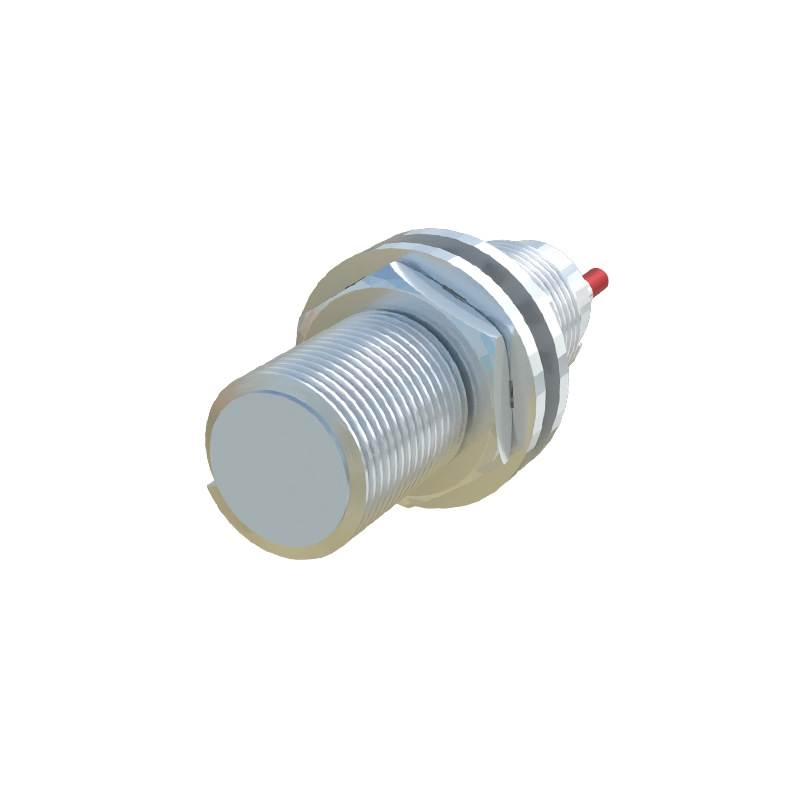
The versatility of the KGE27 sensor finds applications across a broad industrial spectrum. In automotive manufacturing, it is used for part presence verification on conveyor pallets, robot arm end-position detection, and hole detection in metal components. In packaging machinery, it counts metal items on lines or detects the position of metallic machine parts like cams or grippers. Within metalworking, it serves as a tool breakage detection device on CNC lathes or milling machines by monitoring the presence of a drill or tap. It is also extensively used in material handling for detecting metal containers, monitoring pallet positions, and ensuring proper positioning in automated storage and retrieval systems (AS/RS). Its robustness also makes it suitable for outdoor applications in heavy machinery for position feedback on hydraulic cylinders.
Troubleshooting and Maintenance Insights
While designed for reliability, sensors may occasionally underperform. Systematic troubleshooting begins with checking the power supply voltage at the sensor's terminals under load. A persistently illuminated or dark status LED (contrary to its normal operation) provides immediate diagnostic clues. Common issues include failure to detect, which may stem from using an incorrect