Introduction to Proximity Sensor Pricing
The market for proximity sensors is vast and varied, with prices ranging from a few dollars to several hundred. This wide spectrum is not arbitrary but is directly tied to a complex interplay of technology, performance, and application requirements. For procurement specialists and design engineers, understanding these cost drivers is crucial for making informed decisions that balance budget constraints with operational needs. A low-cost sensor might seem attractive initially, but its total cost of ownership, including potential downtime and maintenance, could be significantly higher than a more expensive, robust alternative.
Core Technology and Sensing Principles
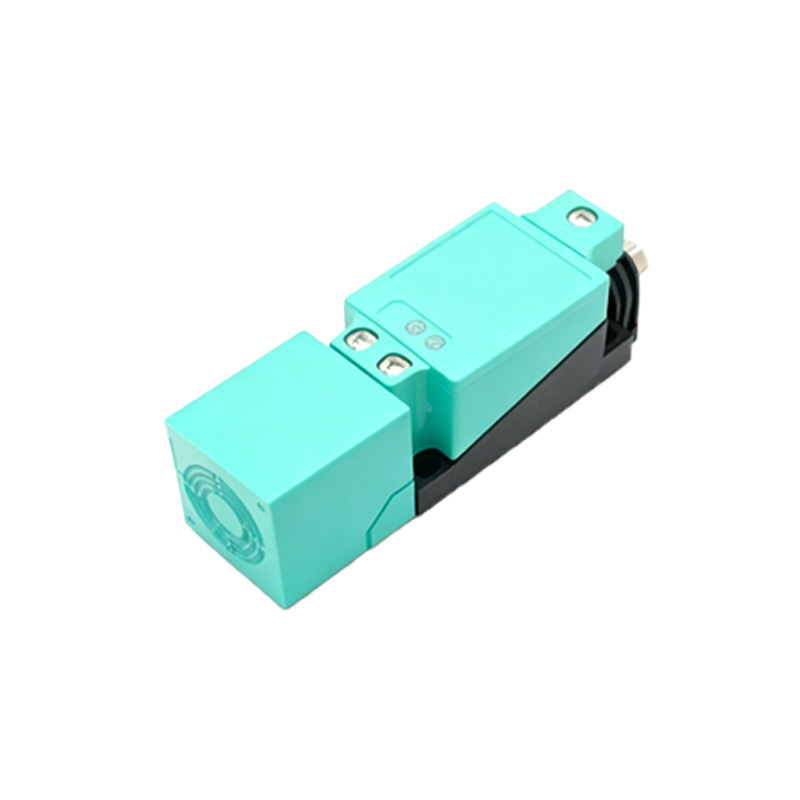
The fundamental sensing technology is a primary cost determinant. Inductive sensors, used for detecting metallic objects, are generally the most cost-effective, with basic models being very affordable. Capacitive sensors, capable of detecting both metallic and non-metallic materials, often come at a slightly higher price point due to more complex circuitry. Ultrasonic and photoelectric sensors represent higher tiers in both capability and cost. Photoelectric sensors, especially those with advanced features like background suppression or precise laser focusing, command premium prices. The choice of technology directly impacts the bill of materials and manufacturing complexity.
Performance Specifications and Accuracy
Performance parameters such as sensing range, repeat accuracy, and switching frequency have a direct correlation with price. A standard inductive sensor with a 5mm range is inexpensive. However, a sensor requiring a 30mm range or sub-micron repeat accuracy for precision assembly robots utilizes higher-grade components, more precise calibration, and sophisticated signal processing, leading to a higher manufacturing cost. Similarly, sensors designed for high-speed applications with switching frequencies in the kilohertz range require faster and more reliable electronic components, adding to the expense.
Environmental Protection and Housing Materials
Industrial environments are harsh. A sensor's price heavily reflects its ability to withstand these conditions. A basic plastic-housed sensor for a clean factory floor is low-cost. In contrast, sensors rated IP67, IP68, or IP69K for waterproof and dustproof operation, or those made from stainless steel (e.g., V4A/AISI 316L) for corrosive or washdown environments, are more expensive. The cost encompasses not only the premium material but also the engineering and sealing processes required to achieve these protection ratings reliably.
Output Configuration and Electrical Interfaces
The type of electrical output is a significant factor. Simple two-wire DC or three-wire NPN/PNP outputs are standard and economical. Sensors with analog outputs (4-20mA, 0-10V) or digital interfaces (IO-Link, PROFINET, EtherNet/IP) are priced higher. IO-Link sensors, in particular, offer advanced diagnostics, parameterization, and process data exchange, embedding a micro-controller and communication stack that increase both functionality and cost. The choice between discrete and smart sensor outputs can dramatically affect the project's overall system cost and capability.
Brand Reputation and Supply Chain Considerations
Established brands like Siemens, Omron, Pepperl+Fuchs, and Balluff often carry a price premium. This premium is attributed to proven reliability, extensive R&D, global technical support, comprehensive certifications, and robust supply chain networks. While generic or lesser-known brands may offer lower upfront costs, they might pose risks in long-term availability, consistency, and after-sales support. For critical applications, the assurance of quality and support from a reputable manufacturer is a valuable cost component that mitigates operational risk.
Order Volume and Customization Needs
Economics of scale apply directly to sensor pricing. Large OEM orders receive substantial per-unit discounts compared to small-quantity MRO purchases. Furthermore, standard, off-the-shelf sensors are the most affordable. Any customization—such as special cable lengths, unique connector types, modified sensing ranges, or proprietary housing designs—incurs additional engineering and setup costs, making low-volume custom orders significantly more expensive per unit than their standard counterparts.
Total Cost of Ownership Analysis
A holistic view of cost is essential. The purchase price is just one element. Total Cost of Ownership (TCO) includes installation, calibration, maintenance, mean time between failures (MTBF), and potential production losses from sensor failure. A higher-quality, more expensive sensor with a longer lifespan, better diagnostics, and higher reliability often results in a lower TCO. Investing in the right sensor for the application minimizes unplanned downtime, which in manufacturing can cost thousands of dollars per hour, far outweighing the initial sensor price difference.