In the realm of industrial automation and precision measurement, laser sensor technology stands as a cornerstone of modern innovation. Tianhe Electronics has emerged as a significant contributor in this field, developing laser sensors that combine high accuracy, reliability, and adaptability for diverse applications. This article explores the fundamental principles of laser sensing, the specific advancements brought forth by Tianhe Electronics, and the practical implications of this technology across various sectors.
At its core, a laser sensor operates by emitting a focused beam of light—typically from a laser diode—towards a target object. The sensor then detects the reflected or scattered light. By analyzing properties such as the time-of-flight, phase shift, or triangulation of this returning light, the sensor can calculate critical parameters like distance, displacement, thickness, or presence with exceptional precision. Unlike conventional mechanical or ultrasonic methods, laser sensors offer non-contact measurement, which is crucial for inspecting delicate surfaces, high-speed production lines, or objects in harsh environments.
Tianhe Electronics has dedicated substantial research and development to refine these principles. Their product portfolio often includes laser distance sensors, laser displacement sensors, and laser profile scanners. A key focus is on enhancing signal stability and noise reduction, ensuring consistent performance even in challenging conditions with ambient light interference or on surfaces with varying reflectivity. For instance, some Tianhe sensors incorporate advanced algorithms and optical designs to maintain accuracy on materials ranging from shiny metals to dark, absorbent plastics.
The innovation extends to miniaturization and integration. Tianhe Electronics has developed compact laser sensor modules that can be easily embedded into larger automated systems, robotics, and handheld inspection devices. This design philosophy prioritizes not only performance but also ease of installation and connectivity, supporting standard industrial communication protocols. Such features lower the barrier to adoption for small and medium-sized enterprises looking to automate quality control processes.
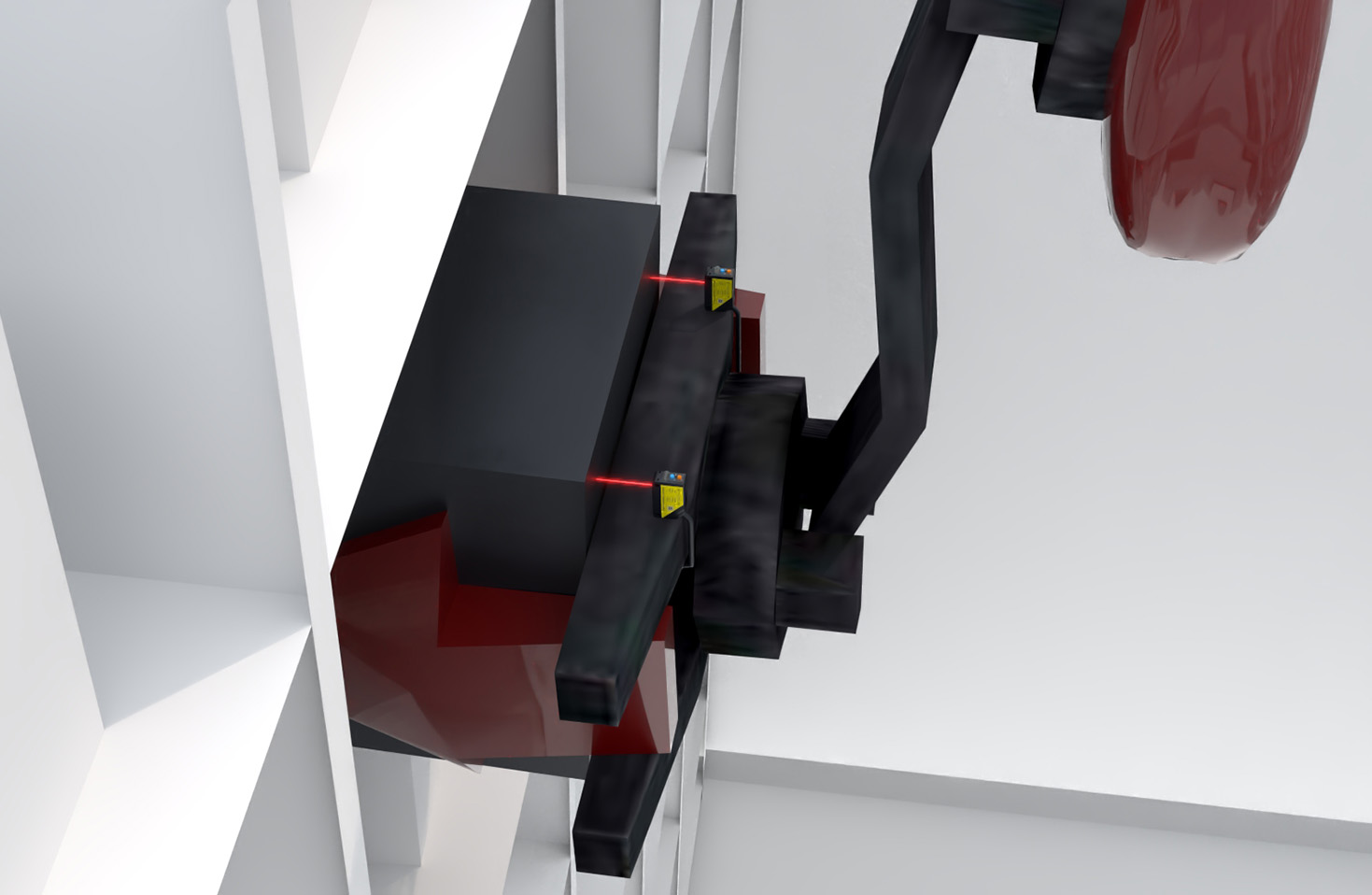
The industrial applications of Tianhe Electronics' laser sensors are vast and impactful. In manufacturing, they are indispensable for precise dimensional gauging, ensuring components like automotive parts or electronic assemblies meet strict tolerances. On assembly lines, they perform vital tasks such as detecting object presence, counting, and positioning, which boosts efficiency and reduces waste. In the logistics and warehousing sector, laser sensors facilitate automated guided vehicle (AGV) navigation and parcel dimensioning, optimizing storage and retrieval operations.
Beyond traditional industry, these sensors find utility in emerging fields. In agricultural automation, they can be used for crop monitoring and guidance of autonomous machinery. In infrastructure, they assist in deformation monitoring and alignment checks for construction projects. The non-contact nature of the technology also makes it suitable for applications in cleanrooms or with food products, where contamination must be avoided.
Choosing the right laser sensor involves considering several factors: required measurement range, resolution, response speed, and the environmental conditions of the application. Tianhe Electronics typically provides detailed specifications and application support to help engineers and system integrators select the optimal model. Proper installation—ensuring a clear optical path and stable mounting—is also critical to achieving the published performance metrics.
Looking ahead, the trajectory for laser sensor technology, as championed by companies like Tianhe Electronics, points toward even greater intelligence and connectivity. Integration with Industrial Internet of Things (IIoT) platforms is a natural progression, where sensor data feeds into cloud-based analytics for predictive maintenance and process optimization. Furthermore, advancements in areas like multi-point sensing and 3D profiling continue to expand the boundaries of what is possible in automated inspection and metrology.
In conclusion, laser sensors represent a critical enabling technology for the Fourth Industrial Revolution. Through continuous innovation in precision, durability, and smart features, Tianhe Electronics contributes to making advanced sensing solutions more accessible and effective. Their work underscores the vital role of reliable measurement data in driving efficiency, quality, and automation across the global industrial landscape, from factory floors to the frontiers of technological development.