In the realm of building automation, security, and energy efficiency, a small yet pivotal component often goes unnoticed: the door proximity sensor. This technology serves as the fundamental interface between a physical door and the digital control systems that manage our environments. Far from being a simple switch, a modern door proximity sensor is a sophisticated device designed to detect the presence or absence of a door within its sensing field, triggering a cascade of automated actions.
At its core, a door proximity sensor operates on the principle of non-contact detection. Unlike traditional mechanical limit switches that require physical contact, these sensors use various fields or waves to sense a door's position. The most prevalent types include magnetic reed switches, inductive sensors, capacitive sensors, and ultrasonic sensors. The magnetic reed switch, a classic and highly reliable option, consists of two parts: a magnet mounted on the moving door and a reed switch assembly installed on the door frame. When the door closes, the magnet aligns with the switch, causing its contacts to close and signaling a "closed" state. When the door opens, the magnetic field moves away, the contacts open, and an "open" signal is sent. This type is favored for its simplicity, low cost, and effectiveness in security applications.
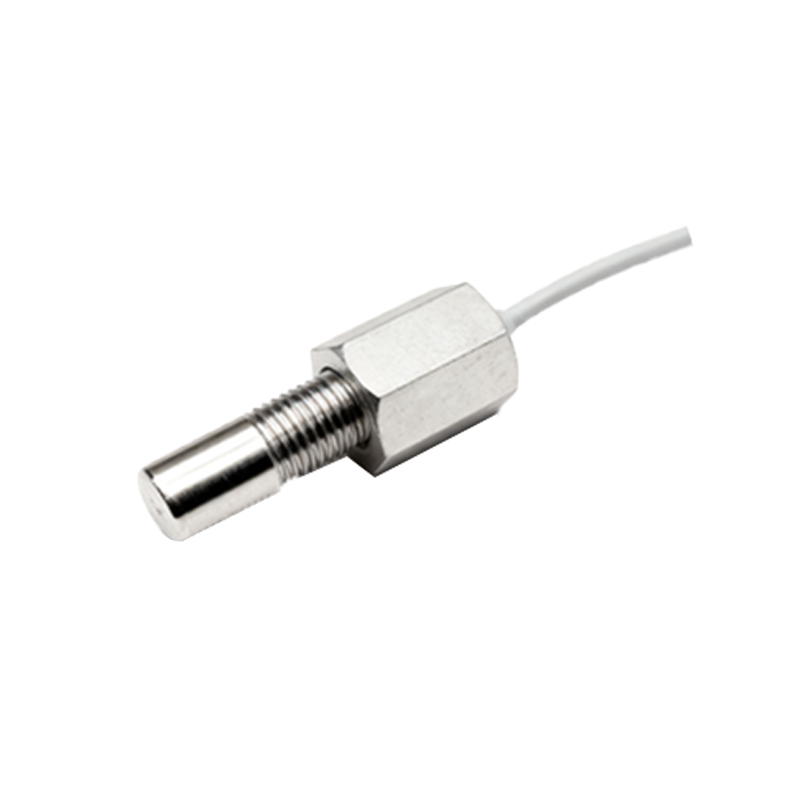
Inductive and capacitive sensors offer alternatives where magnets are not feasible. An inductive proximity sensor generates an electromagnetic field and detects the metallic mass of a door. A capacitive sensor can detect both metallic and non-metallic objects by sensing changes in capacitance. These are useful for specialized industrial or architectural applications. Ultrasonic sensors, which measure the time for a sound wave to bounce back, can be used to monitor door position or even detect obstructions in the doorway, adding a layer of safety.
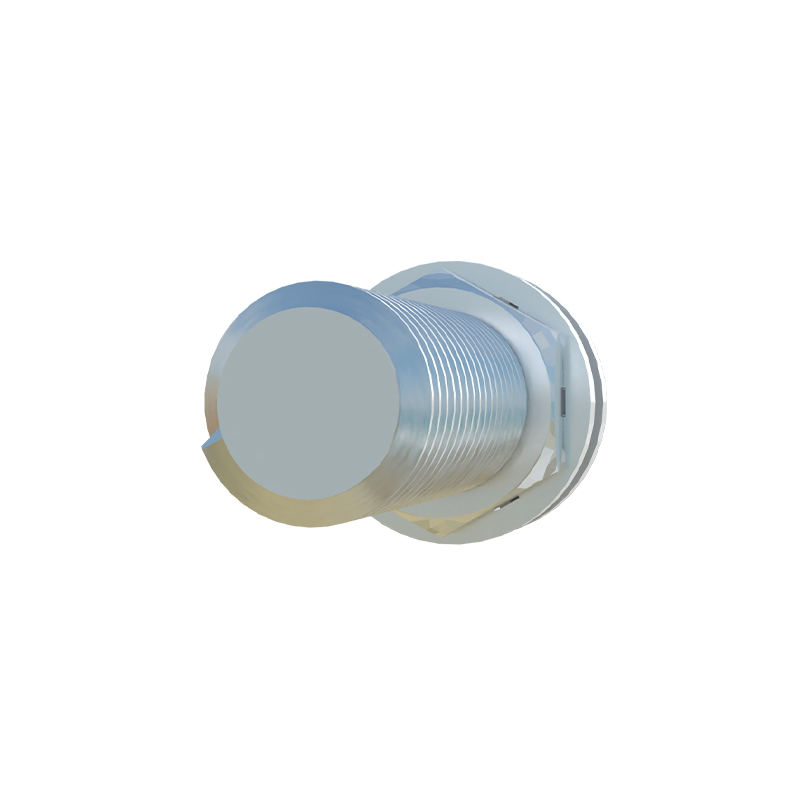
The applications of door proximity sensors are vast and integral to modern infrastructure. In security systems, they are the primary input for door status monitoring. An unauthorized opening triggers an immediate alarm, while in access control systems, the sensor ensures a door is properly closed and secured after an authorized entry or exit. In the commercial sector, they are indispensable for energy management. Integrated with HVAC systems, these sensors can signal when a door is left ajar, allowing the system to adjust heating or cooling to prevent energy waste. In retail environments, they are commonly used for automatic sliding doors, providing convenience and a hands-free experience.
Furthermore, in industrial and warehouse settings, door sensors on high-speed rolling doors or freezer doors ensure operational safety and critical temperature control. In smart homes, door sensors connect to home automation hubs, enabling scenarios like turning on lights when a door is opened or sending notifications to a homeowner's smartphone. The data collected from these sensors over time can also be analyzed for insights into traffic patterns, maintenance needs, and space utilization.
The benefits of implementing door proximity sensors are multifaceted. The foremost is enhanced security, providing real-time, reliable status updates on protected portals. Energy conservation is another significant advantage, leading to substantial cost savings in large facilities. They also promote safety by ensuring machinery or environmental controls are only active when doors are in a safe state. From a convenience and accessibility standpoint, they enable automated door operation, which is essential for public buildings and for aiding individuals with disabilities. Finally, their integration into broader IoT and building management systems creates smarter, more responsive environments, where doors are not just barriers but intelligent nodes in a network.
When selecting a door proximity sensor, several factors must be considered. The environment is crucial; sensors for outdoor or harsh industrial conditions require robust ingress protection ratings against dust and water. The required sensing range and the material of the door (metal, wood, glass) will determine the suitable sensor technology. Compatibility with existing control systems, whether it's a simple dry contact relay output or a digital protocol like BACnet or Modbus, is essential for seamless integration. Reliability and longevity are paramount, as these devices are often expected to perform millions of cycles without failure.
Installation and maintenance are generally straightforward. Proper alignment between the sensor and its target (like the magnet for a reed switch) is critical for accurate operation. Regular testing should be part of a facility's routine maintenance schedule to ensure continued reliability. As technology advances, we are seeing the emergence of wireless and battery-powered door sensors, which simplify installation in retrofit projects, and sensors with built-in diagnostics that communicate their health status to maintenance teams.
In conclusion, the door proximity sensor is a quintessential example of how a simple sensing function can be leveraged to create significant value in security, efficiency, and automation. By providing a reliable digital signal for a door's physical state, it acts as a silent sentinel and a key enabler for the intelligent systems that define modern commercial, industrial, and residential spaces. Its continued evolution will further embed connectivity and intelligence into the very fabric of our built environment.