The camshaft position sensor, often abbreviated as CMP sensor, is a critical component in modern internal combustion engines. It plays a vital role in the engine management system, working in concert with the crankshaft position sensor to ensure optimal engine performance, fuel efficiency, and emissions control. Understanding its function, recognizing signs of failure, and knowing the basics of replacement are essential for any vehicle owner or automotive enthusiast.
At its core, the camshaft position sensor is a magnetic or Hall-effect sensor that monitors the rotational position and speed of the engine's camshaft(s). It is typically located near the cylinder head, adjacent to the camshaft. As the camshaft rotates, a reluctor wheel or a single notch (often called a "tone ring") attached to it passes by the sensor. This movement generates a precise electronic signal, a series of voltage pulses, which is sent to the engine control unit (ECU) or powertrain control module (PCM).
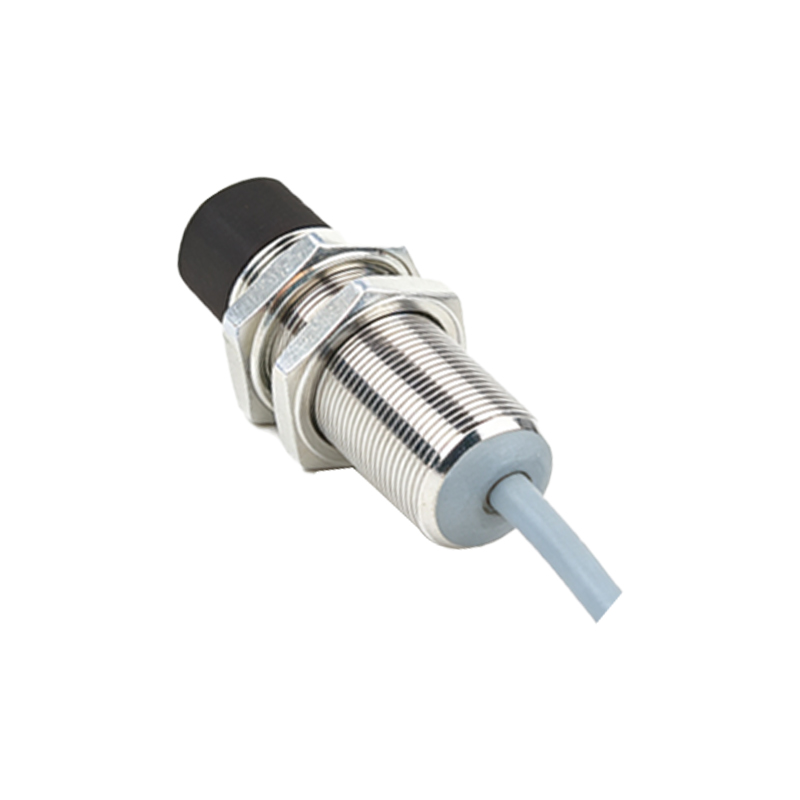
The ECU uses this real-time data for several key functions. Primarily, it determines the exact position of the pistons within the cylinders. By correlating the camshaft position signal with data from the crankshaft position sensor, the ECU can identify which piston is on its compression stroke. This precise timing information is fundamental for sequential fuel injection, where fuel is injected into each cylinder at a specific point in the engine cycle, improving efficiency and power. Furthermore, it is crucial for the precise timing of the ignition spark in gasoline engines and for controlling variable valve timing (VVT) systems in more advanced engines. Without an accurate signal from the CMP sensor, the ECU cannot synchronize these events correctly, leading to immediate drivability issues.
A failing camshaft position sensor exhibits distinct symptoms. The most common and noticeable sign is intermittent stalling or difficulty starting the engine. Since the ECU cannot determine the correct cylinder position, it may inject fuel at the wrong time or fail to provide a spark, preventing the engine from starting. Often, the engine may crank but not start. Another prevalent symptom is poor engine performance while driving. You might experience noticeable hesitation, a sudden loss of power, rough idling, or unexpected surges in acceleration. Fuel economy often deteriorates as the ECU defaults to a less efficient, pre-programmed "limp-home" mode to protect the engine. In many modern vehicles, a malfunctioning CMP sensor will trigger the check engine light (MIL). Diagnostic trouble codes such as P0340 (Camshaft Position Sensor Circuit Malfunction) or P0341 (Camshaft Position Sensor Circuit Range/Performance) are commonly stored, guiding technicians to the problem. In severe cases, the engine may simply shut off while driving, creating a significant safety hazard.
Diagnosing a faulty sensor typically involves using an OBD-II scanner to read trouble codes. A professional mechanic will also perform live data analysis to see if the sensor is sending a consistent signal and may test the sensor's voltage and resistance with a multimeter according to the vehicle manufacturer's specifications. It's important to rule out other issues, such as problems with the wiring harness, connectors, or the reluctor wheel on the camshaft itself, which can mimic sensor failure.
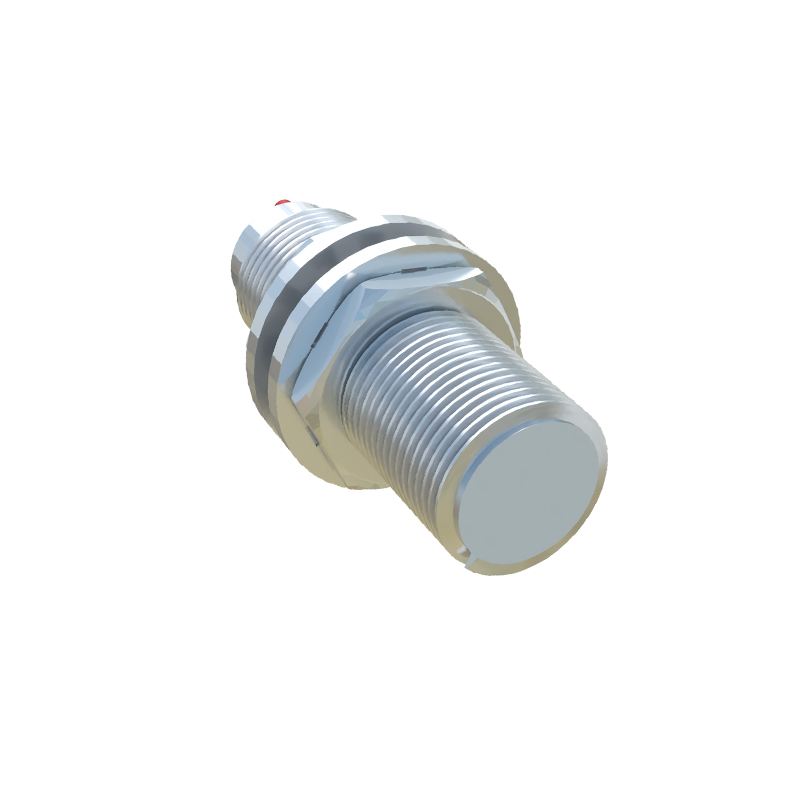
Replacing a camshaft position sensor is generally considered a moderately easy repair for a DIYer, though accessibility varies greatly between vehicle models. The process usually involves locating the sensor, which is often held by one or two bolts. Before starting, always disconnect the negative battery terminal. The electrical connector must be carefully unclipped. After removing the mounting bolt(s), the sensor can be pulled straight out from its bore. It's advisable to clean the mounting area of any debris. Installation is the reverse: a new sensor (often with a new O-ring seal lubricated with a bit of engine oil) is inserted, bolted in place, and the connector is reattached. No adjustment is needed. After reconnecting the battery, starting the engine and using a scan tool to clear any stored codes completes the job. Using a high-quality OEM or reputable aftermarket sensor is recommended for longevity and reliable signal accuracy.
In summary, the camshaft position sensor is a small but indispensable electronic sentinel for your engine. Its role in managing fuel, ignition, and valve timing is central to modern engine operation. Paying attention to early warning signs like hard starting, stalling, or a lit check engine light can prevent more serious problems and costly repairs down the road. Regular maintenance and addressing issues promptly will help ensure your vehicle runs smoothly, efficiently, and reliably for miles to come.