In modern industrial automation, the demand for reliable and precise sensing solutions continues to grow. Among the various technologies available, circular proximity sensors stand out for their versatility and robustness. These non-contact devices detect the presence or absence of metallic objects without physical interaction, making them indispensable in manufacturing, packaging, material handling, and automotive assembly lines. The supply chain for these critical components involves numerous factors that engineers, procurement specialists, and system integrators must carefully evaluate to ensure optimal performance and operational continuity.
A primary consideration in sourcing circular proximity sensors is understanding the core technology. Inductive proximity sensors, the most common circular type, generate an electromagnetic field. When a metallic target enters this field, it causes a change in oscillation amplitude, which the sensor detects. Key specifications include sensing distance, which varies based on the sensor's diameter and the target material. For instance, a standard 18mm diameter inductive sensor might have a nominal sensing distance of 8mm for mild steel. It is crucial to note that factors like target material (steel, aluminum, brass), temperature fluctuations, and the presence of other metals can influence actual performance. Suppliers must provide clear data sheets detailing these dependencies.
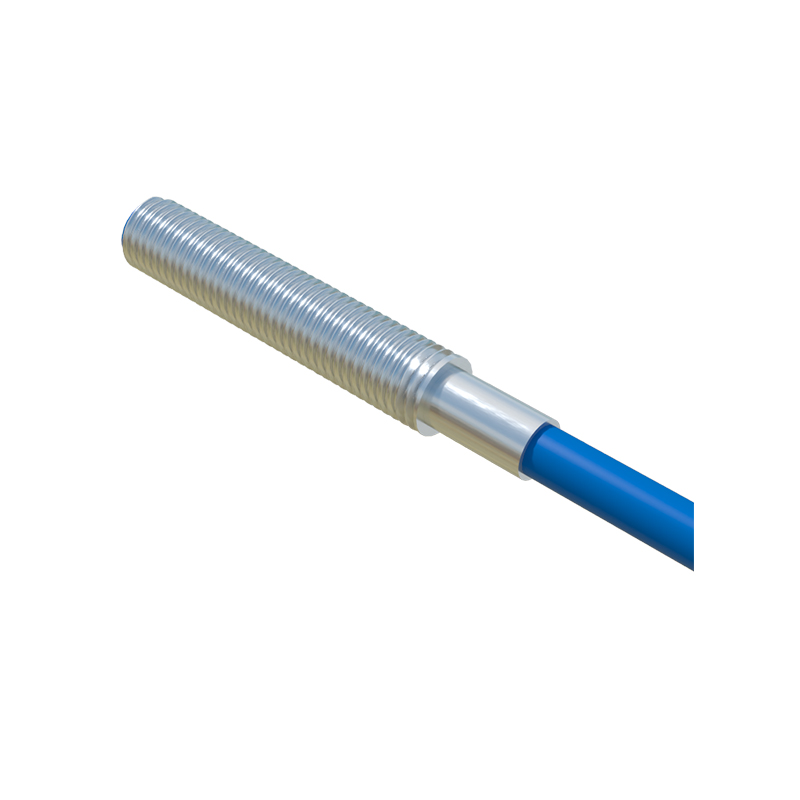
The housing material and protection rating are equally vital. Industrial environments often expose equipment to coolants, oils, metal chips, and significant vibration. High-quality sensors feature nickel-plated brass or stainless-steel housings, offering excellent corrosion resistance. The Ingress Protection (IP) rating, such as IP67 or IP69K, indicates the level of protection against dust and liquids. A sensor rated IP67 can withstand temporary immersion, making it suitable for washdown areas in food and beverage processing. Leading suppliers ensure their products meet or exceed international standards like IEC 60947-5-2, providing assurance of reliability and safety.
Electrical characteristics form another critical selection pillar. Engineers must match the sensor's output type (NPN sinking, PNP sourcing, or analog) and operating voltage (commonly 10-30V DC) with the control system's requirements. The choice between a 2-wire, 3-wire, or 4-wire configuration impacts wiring complexity and diagnostic capabilities. Furthermore, switching frequency defines how quickly the sensor can detect objects passing by, a decisive factor in high-speed applications. Reputable suppliers offer a wide range of electrical options and provide clear wiring diagrams and compatibility guidelines.
Beyond the product itself, the supplier's capabilities determine long-term success. Technical support is paramount. Can the supplier's application engineers assist with complex installation scenarios, such as flush mounting to avoid side interference or dealing with challenging target materials? A robust global distribution network ensures timely availability, minimizing production line downtime. Manufacturers with vertically integrated production, from core coil winding to final assembly, typically maintain better quality control and more consistent lead times compared to those relying on outsourced components.
The evolution towards Industry 4.0 and smart factories adds another layer to the supply decision. Many modern circular proximity sensors now integrate advanced diagnostics and connectivity features. These include IO-Link communication, which enables parameter setting, condition monitoring, and seamless integration into digital control networks. Sourcing from suppliers who are innovating in this space future-proofs automation investments. It allows for predictive maintenance, where sensors can report wear or environmental issues before they cause a failure, significantly improving overall equipment effectiveness (OEE).
Cost considerations must extend beyond the initial purchase price. Total cost of ownership (TCO) includes installation labor, maintenance, potential downtime costs, and energy consumption. A slightly higher-priced sensor from a trusted supplier with a proven mean time between failures (MTBF) often proves more economical than a cheaper alternative that fails prematurely. Suppliers should offer transparent lifecycle data and support reliable sourcing over many years, which is crucial for the long lifecycle of industrial machinery.
Finally, navigating the global supply landscape requires diligence. Certifications (like UL, CE, ATEX for hazardous areas) are non-negotiable for most markets. Establishing relationships with authorized distributors or directly with manufacturers mitigates the risk of counterfeit products, which can pose serious safety and performance risks. In summary, securing a reliable supply of circular proximity sensors is a strategic decision. It hinges on a thorough analysis of technical specifications, environmental demands, supplier expertise, and the total value delivered over the sensor's operational life. By prioritizing these factors, businesses can build resilient and efficient automated systems that drive productivity and competitiveness.