Proximity sensors have become an indispensable component in the modern technological landscape, quietly enabling functionality across a vast array of devices and industrial systems. Their core principle is elegantly simple: to detect the presence or absence of an object within a specified range without physical contact. However, the true value and differentiation lie in their diverse operational features and the specific advantages they offer to different applications.
One of the most significant features is their non-contact detection capability. This fundamental characteristic eliminates mechanical wear and tear, ensuring exceptional longevity and reliability. In manufacturing, this means sensors on assembly lines can operate for millions of cycles without degradation. For consumer devices like smartphones, it allows for features like automatic screen blanking during a call without any physical switch being activated, preserving both the screen and battery life.
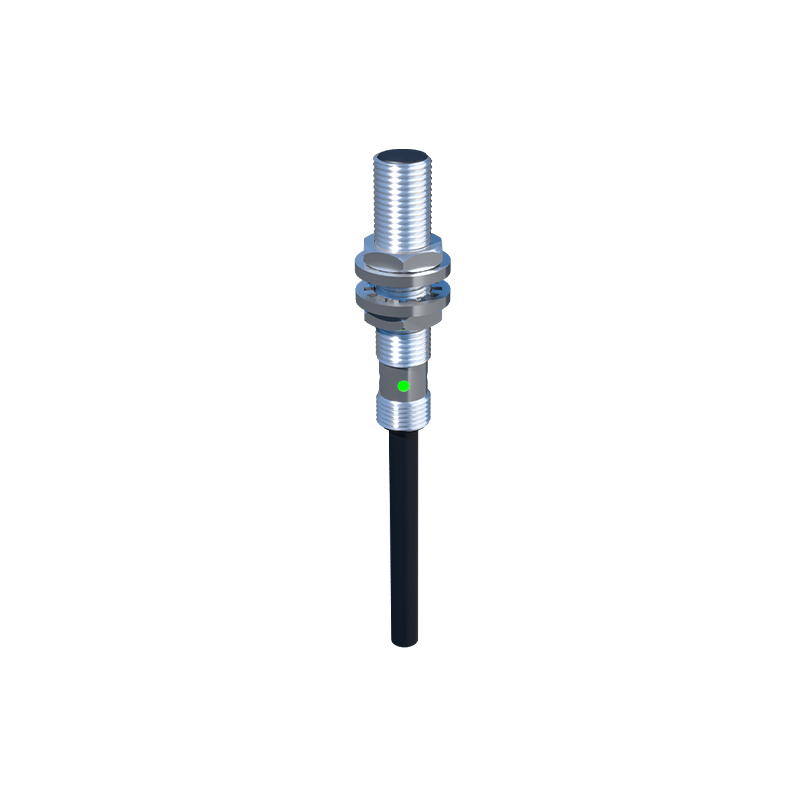
Modern proximity sensors offer remarkable precision and repeatability. Advanced models can detect objects with millimeter accuracy and maintain consistent performance regardless of environmental factors like accumulated dust or minor misalignments. This is critical in automated quality control, where a sensor must reliably verify the presence of a component on a circuit board, or in robotics, where precise positioning is paramount for safe and efficient operation.
The variety of sensing technologies itself is a key feature, allowing engineers to select the optimal type for each challenge. Inductive sensors excel in detecting metallic objects and are robust in harsh industrial environments filled with oil or coolant. Capacitive sensors can detect a wider range of materials, including liquids, plastics, and wood, making them ideal for level detection in tanks or touch-sensitive interfaces. Ultrasonic sensors use sound waves to measure distance to objects of any material, even in challenging conditions like fog or dust, commonly used in parking assist systems. Photoelectric sensors, using infrared or laser light, provide very long sensing ranges and high speed, perfect for object counting on conveyor belts.
Another crucial feature is their robust environmental resistance. High-quality proximity sensors are designed with enclosures rated for IP67 or higher, making them resistant to water, dust, chemicals, and temperature extremes. This allows deployment in wash-down areas in food processing plants, outdoor automotive applications, or foundries with high ambient heat. Their solid-state design, with no moving parts, further enhances this durability.
Integration and miniaturization are defining contemporary features. Today's sensors are increasingly intelligent, often incorporating built-in microprocessors for functions like self-diagnostics, output delay timers, and teach-in programming (setting detection thresholds on-site). This simplifies installation and reduces system complexity. Simultaneously, miniaturization has enabled their incorporation into incredibly compact devices. The tiny infrared proximity sensor in a smartwatch or wireless earbuds is a testament to this, enabling features like automatic play/pause when removing an earbud.
Finally, the feature of providing a simple, clean output signal—typically a discrete ON/OFF signal or an analog value proportional to distance—makes them easy to interface with Programmable Logic Controllers (PLCs), microcontrollers, and other control systems. This plug-and-play interoperability is essential for rapid system design and troubleshooting in both industrial automation and consumer electronics design.
In summary, the features of proximity sensors extend far beyond mere detection. Their non-contact nature, precision, technological diversity, environmental resilience, intelligence, and ease of integration collectively form a powerful toolkit. These features solve complex challenges in automation, enhance user experience in consumer products, and drive efficiency and safety across countless industries, solidifying their role as a foundational enabling technology.