In the world of automation, electronics, and smart devices, there exists a silent, unseen workforce that enables countless functionalities we often take for granted. This workforce is comprised of sensors, and among the most ubiquitous and vital are proximity sensors. But what exactly is a proximity sensor? At its core, a proximity sensor is a device that detects the presence or absence of an object within a specific range without any physical contact. It emits a field or a beam of electromagnetic radiation, often infrared light, an inductive field, or capacitive energy, and looks for changes in the field or return signal. The primary output is a simple binary signal: an object is either "present" or "not present" within its detection zone.
The fundamental principle behind their operation is straightforward: sense, don't touch. This non-contact detection offers immense advantages, leading to their widespread adoption. Unlike mechanical limit switches that require physical actuation, proximity sensors eliminate wear and tear, ensuring higher reliability and a longer operational lifespan. They are also incredibly fast, capable of detecting objects in milliseconds, which is crucial for high-speed production lines. Furthermore, they can detect a wide variety of materials—metals, plastics, liquids, and even human skin—depending on the technology used. Their sealed designs make them resistant to environmental factors like oil, dust, and moisture, allowing them to thrive in harsh industrial settings.
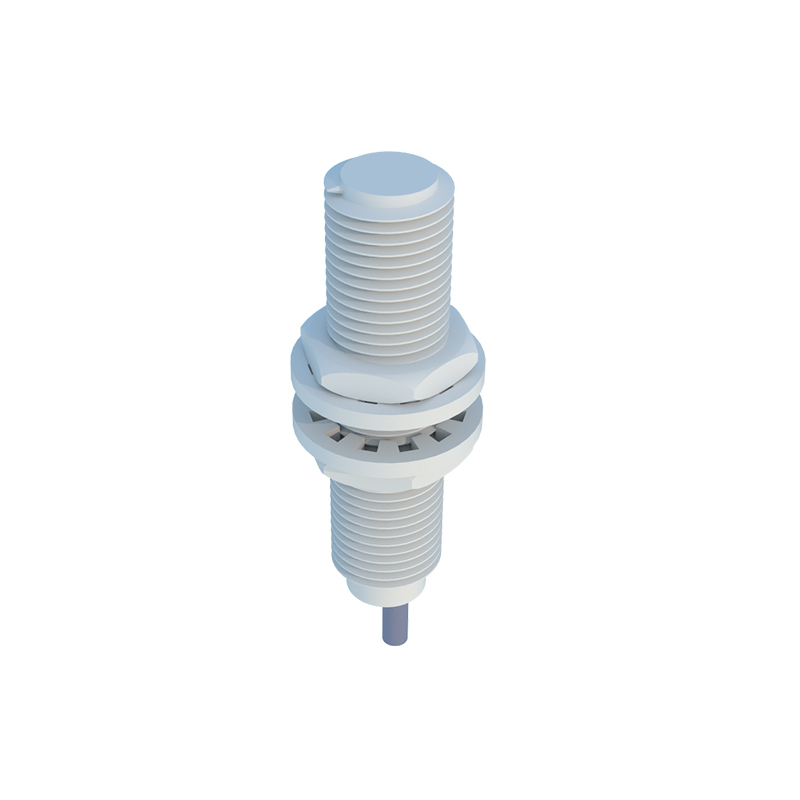
To understand their application, it's essential to explore the main types. Inductive proximity sensors are the workhorses of industrial automation. They generate an electromagnetic field and detect only metallic objects. When a metal target enters this field, it induces eddy currents, causing a change that the sensor detects. You'll find them counting metal parts on an assembly line, confirming the position of a robotic arm, or ensuring a machine door is safely closed.
Capacitive proximity sensors, on the other hand, can detect both metallic and non-metallic materials, including liquids, powders, plastics, and wood. They work by generating an electrostatic field. Any object with a dielectric constant different from air (which is nearly everything) will alter the capacitance of the sensor's field, triggering detection. This makes them perfect for applications like liquid level sensing in tanks, detecting filled vs. empty bottles on a conveyor, or as touch-sensitive buttons.
Photoelectric sensors, another major category, use light—typically infrared or laser—to detect objects. They consist of a light emitter and a receiver. The presence of an object is detected either by the interruption of the light beam (through-beam), by the reflection of light off the object back to a receiver housed in the same unit (retro-reflective), or by the diffusion of light off the object (diffuse reflective). These sensors offer the longest detection ranges and are excellent for detecting small objects or objects of any material, provided they are not perfectly transparent to the sensor's light wavelength.
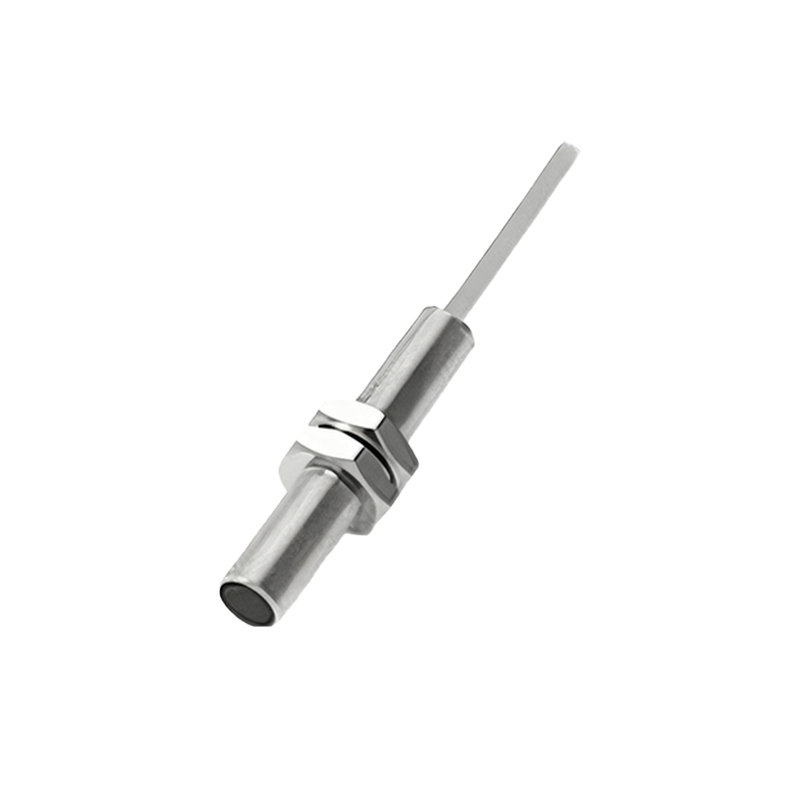
Ultrasonic sensors function similarly to sonar. They emit high-frequency sound waves and evaluate the echo received back. The time lapse between sending the signal and receiving the echo is used to calculate the distance to an object. They are highly effective for precise distance measurement, level control of bulk materials, and detecting clear objects like glass, where photoelectric sensors might struggle.
The applications of proximity sensors are virtually limitless. In your smartphone, a capacitive or infrared proximity sensor turns off the screen during a call to prevent accidental touches. In automotive manufacturing, inductive sensors verify the presence of engine components. In aviation, they monitor landing gear deployment. In consumer appliances, they enable touchless faucets and automatic soap dispensers, promoting hygiene. In security systems, they form the basis of motion detectors. In packaging machinery, they ensure products are correctly positioned for labeling or sealing.
Selecting the right proximity sensor involves considering several key factors: the material of the target object (metal, plastic, liquid), the required sensing distance, the environmental conditions (temperature, presence of contaminants), the output type needed (digital NPN/PNP, analog), the response speed, and the physical size and mounting requirements. Understanding these parameters ensures the sensor performs reliably in its intended application.
In conclusion, proximity sensors are the invisible enablers of modern technology. They provide the essential "eyes" for machines, allowing for automation, safety, efficiency, and innovative user interfaces. From the factory floor to the palm of your hand, their ability to detect presence without contact makes them indispensable components in an increasingly automated and interactive world. Their continued evolution promises even greater integration and intelligence in the systems that shape our daily lives.