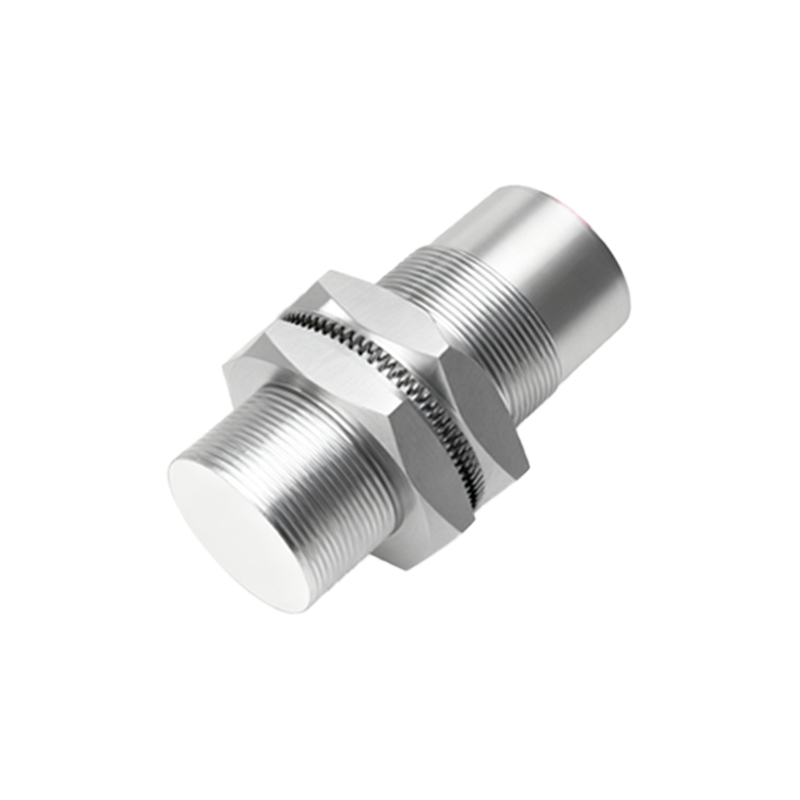
In the rapidly evolving landscape of industrial automation, consumer electronics, and smart systems, the role of proximity sensors has become fundamentally critical. These devices, designed to detect the presence or absence of objects within a certain range without physical contact, are undergoing a transformative shift. The latest generation of proximity sensors is not merely an incremental improvement but a revolution, offering unprecedented levels of precision, efficiency, and integration that are reshaping entire industries.
Traditional inductive, capacitive, and ultrasonic sensors have served reliably for decades. However, the new wave of proximity sensing technology leverages advanced principles like Time-of-Flight (ToF), LiDAR (Light Detection and Ranging), and sophisticated millimeter-wave radar. These technologies operate by emitting energy—be it light, laser, or radio waves—and measuring the time it takes for the reflection to return or analyzing changes in the signal. This allows for not just binary detection but also precise distance measurement, velocity tracking, and even rudimentary object profiling. For instance, a single ToF sensor can map a room's dimensions, detect a person's approach from several meters away, and differentiate between a hand gesture and a stationary object, all with minimal power consumption.
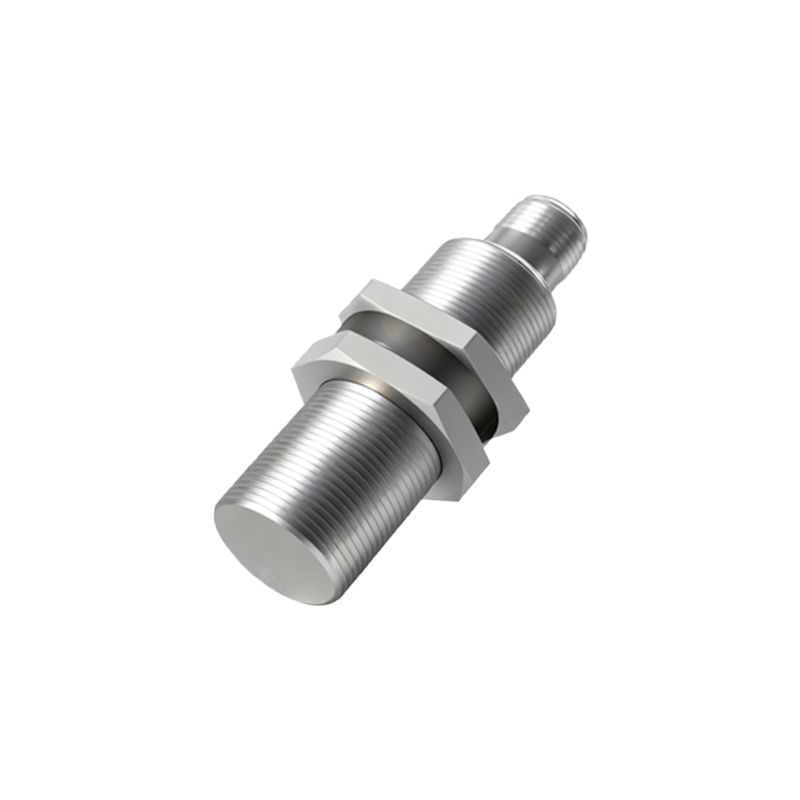
The core advantage of these new sensors lies in their versatility and intelligence. In automotive applications, they form the sensory backbone of Advanced Driver-Assistance Systems (ADAS). Modern vehicles are equipped with arrays of these sensors, creating a 360-degree cocoon of awareness. They enable precise parking assistance, blind-spot monitoring, and cross-traffic alerts by accurately calculating the distance and relative speed of nearby objects, from other vehicles to pedestrians and cyclists. This data is crucial for the incremental journey toward fully autonomous driving.
Beyond the automotive sector, the impact is equally profound in consumer electronics. The smartphone in your pocket likely uses a miniature infrared (IR) or ToF proximity sensor to turn off the display during a call, preventing accidental screen touches. Next-generation sensors are enabling novel features like gesture control for smart home devices, where a simple wave of the hand can adjust volume, skip a track, or turn off a light. In robotics, whether for sophisticated industrial arms or domestic vacuum cleaners, these sensors provide essential environmental awareness for navigation, obstacle avoidance, and safe human-robot collaboration, preventing collisions and optimizing pathfinding.
Industrial and logistics environments are witnessing a massive efficiency boost. In smart factories, new-generation proximity sensors monitor production lines with extreme accuracy, detecting minute misalignments in components, counting items on high-speed conveyors, and ensuring robotic grippers position themselves perfectly. Their robustness against environmental interference—such as dust, smoke, or variable lighting—makes them ideal for harsh conditions where traditional optical sensors might fail. Furthermore, in warehouse automation, they guide autonomous mobile robots (AMRs), manage inventory by detecting pallet presence, and enhance safety by creating invisible protective zones around dangerous machinery.
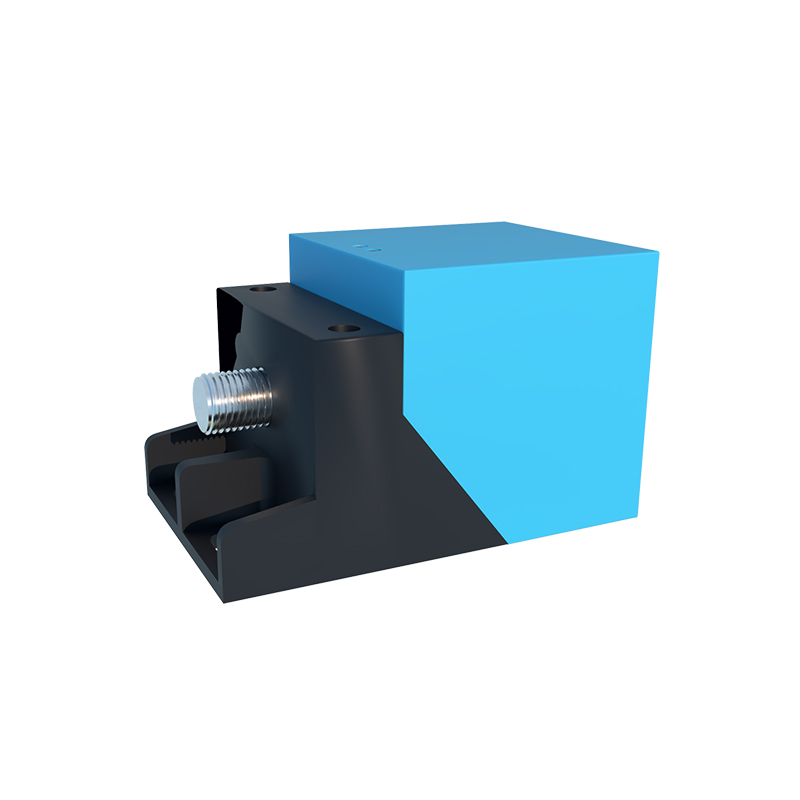
The integration of these sensors with the Internet of Things (IoT) and Artificial Intelligence (AI) is the final piece of the puzzle. Standalone sensor data is valuable, but its true potential is unlocked when streamed to a central system. AI algorithms can process data from a network of disparate sensors to understand complex contexts. For example, in a smart building, data from proximity sensors on doors, desks, and in rooms can be analyzed to optimize space utilization, control lighting and HVAC systems based on occupancy, and enhance security protocols. This creates systems that are not only reactive but predictive and adaptive.
Looking ahead, the trajectory points toward even greater miniaturization, reduced cost, and enhanced functionality. Future sensors will likely incorporate multi-modal sensing, combining proximity, temperature, and pressure detection in a single, tiny package. Energy harvesting capabilities could make them self-sufficient, and improvements in material science will expand their operational range and durability. As these technologies mature and become more accessible, we can expect them to become ubiquitous, embedded in everything from medical devices and agricultural equipment to everyday appliances, creating a more responsive, efficient, and intuitively interactive world. The revolution in detection is quietly underway, powered by these remarkable new eyes of the machine world.