In the intricate world of industrial automation and smart systems, a silent yet crucial component works tirelessly to ensure safety, precision, and efficiency. Proximity magnetic switch sensors, often unseen, form the backbone of countless applications, from the assembly lines of automotive factories to the secure access points of modern buildings. Unlike traditional mechanical switches that require physical contact, these sensors operate on a non-contact principle, detecting the presence or absence of a magnetic field. This fundamental characteristic grants them exceptional reliability and longevity, as there is no wear and tear from repeated physical engagement.
At the heart of a proximity magnetic switch sensor lies a simple yet elegant mechanism. It typically consists of a sensor body housing a reed switch—a pair of ferromagnetic contacts sealed within a glass tube—and a separate magnet. When the magnet approaches within a specified range, the magnetic field causes the reed contacts to attract each other, closing the circuit. As the magnet moves away, the contacts spring back to their original open position. This binary operation, open or closed, provides a clear and unambiguous signal that can be interpreted by control systems to trigger actions, such as stopping a conveyor belt, counting objects, or confirming a door is securely shut.
The advantages of employing magnetic proximity sensors are manifold. Their sealed design makes them inherently resistant to environmental contaminants like dust, oil, and moisture, allowing them to perform reliably in harsh industrial settings. They are immune to issues like contact bounce, a common problem in mechanical switches that can cause erratic signals. Furthermore, their solid-state nature enables incredibly fast response times, often in the millisecond range, which is critical for high-speed automation processes. The absence of physical contact also means they operate silently, without the audible click of mechanical switches, contributing to a quieter work environment.
Applications for these sensors are vast and varied. In manufacturing, they are indispensable for position sensing, end-of-travel detection on linear actuators, and as safety interlocks on machine guards. The automotive industry relies on them for gear position sensing, seatbelt detection, and door ajar warnings. In the realm of security, they are the standard for door and window contact sensors in alarm systems. Even everyday consumer appliances, like washing machines and refrigerators, utilize them to detect lid or door status. A more sophisticated application is in linear position sensing, where a series of sensors can detect the position of a moving magnet along a track, providing feedback for precise control.
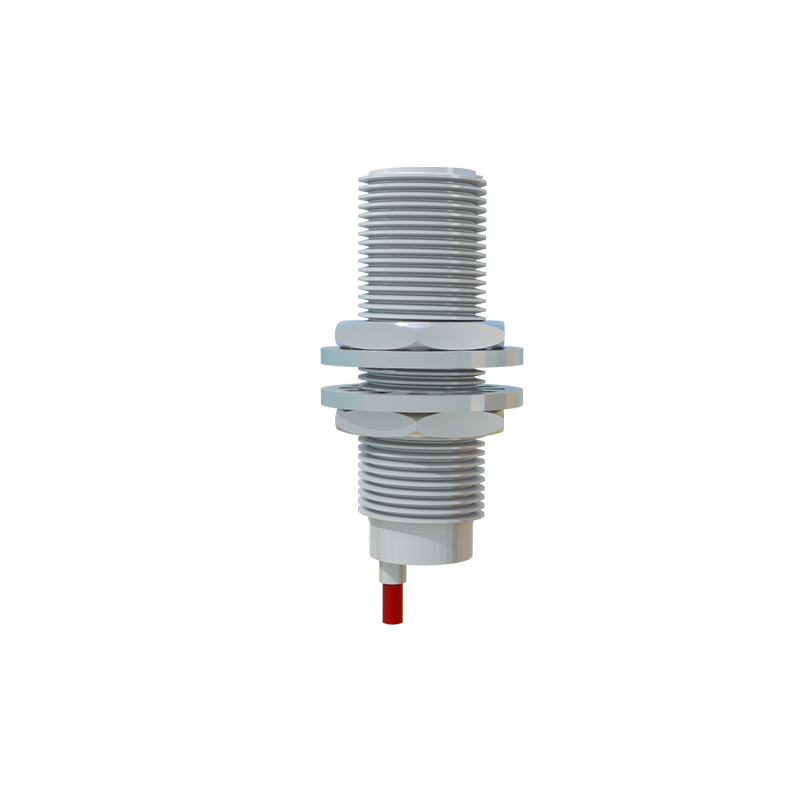
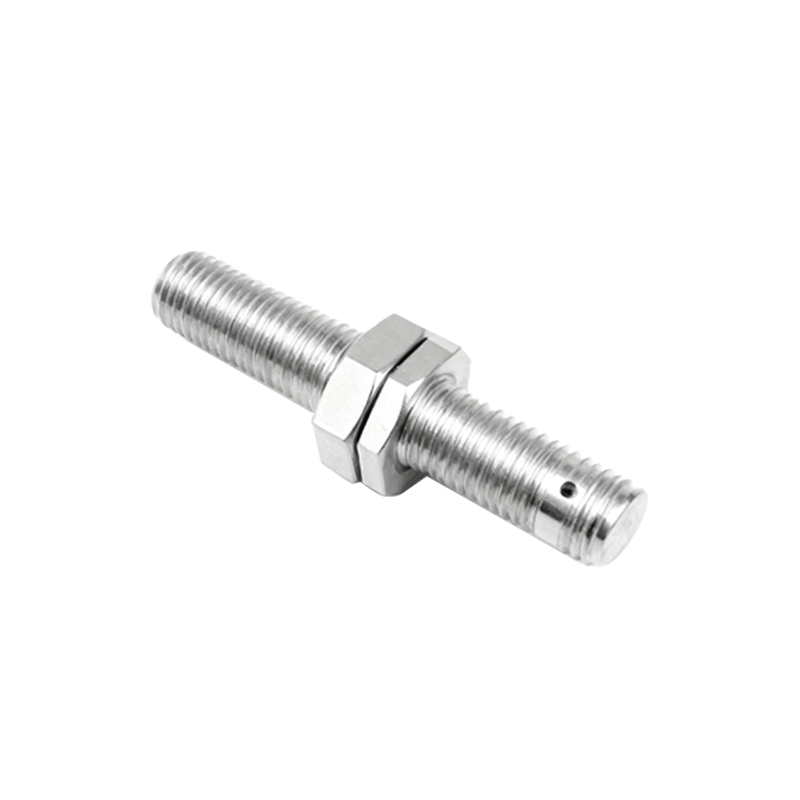
Selecting the right proximity magnetic switch sensor requires careful consideration of several parameters. The sensing distance, or the maximum range at which the sensor can reliably detect the magnet, is paramount and varies by model. The electrical specifications, such as switching voltage, current rating, and output type (normally open or normally closed), must match the control circuit's requirements. Environmental factors like operating temperature range and ingress protection (IP) rating are crucial for ensuring durability. Engineers must also consider the physical form factor—tubular, rectangular, or slot-style—to ensure proper mounting and alignment with the target magnet.
Installation and maintenance, while generally straightforward, demand attention to detail. The sensor and magnet must be aligned correctly, typically facing each other, and within the specified sensing distance. Factors like nearby ferrous metals or strong external magnetic fields can interfere with performance and must be accounted for during design. Maintenance is minimal due to the non-contact operation, but periodic checks are recommended to ensure mounting integrity and the absence of physical damage to cables or housings.
As technology evolves, so do proximity magnetic switch sensors. Modern iterations may incorporate advanced features like programmable logic, analog output proportional to distance, or integration with industrial communication protocols like IO-Link. These smart sensors can provide diagnostic data, such as operating hours or temperature warnings, enabling predictive maintenance and deeper system integration. This evolution is pushing magnetic sensing from a simple on/off function toward a more intelligent, data-rich role in the Industrial Internet of Things (IIoT).
In conclusion, proximity magnetic switch sensors are far more than simple switches. They are fundamental, robust, and versatile components that enable automation to be safe, reliable, and efficient. Their non-contact sensing principle solves numerous problems inherent to mechanical switches, making them the preferred choice for demanding applications across industries. As automation and smart technology continue to advance, these invisible guardians will undoubtedly remain at the core, silently ensuring that machines and systems operate as intended, one magnetic field detection at a time.