Proximity magnetic sensors represent a critical category of electronic components widely utilized across industrial, automotive, and consumer sectors. These devices detect the presence or absence of a magnetic field, typically generated by a permanent magnet or an electromagnet, and convert this detection into an electrical signal. Unlike traditional mechanical switches, they operate without physical contact, offering enhanced reliability, longevity, and resistance to environmental contaminants like dust, oil, or moisture.
The fundamental operating principle relies on magnetically sensitive elements. Common technologies include Hall-effect sensors, magnetoresistive (MR) sensors, and reed switches. Hall-effect sensors generate a voltage differential when exposed to a magnetic field perpendicular to the current flow. They are highly popular due to their solid-state nature, enabling miniaturization and integration with signal conditioning circuits on a single chip. Magnetoresistive sensors, such as Anisotropic Magnetoresistive (AMR) or Giant Magnetoresistive (GMR) types, change their electrical resistance in response to a magnetic field, offering high sensitivity and precision. Reed switches, consisting of two ferromagnetic reeds sealed in a glass tube, physically close or open a circuit when a magnetic field is applied, serving as a simple, cost-effective solution for many applications.
Key performance parameters define a sensor's suitability. Sensing range, or the maximum distance at which it can reliably detect a target magnet, is paramount. Sensitivity indicates the minimum magnetic field strength required to trigger a response. Response time is crucial for high-speed applications, while operating temperature range ensures functionality in harsh environments. Additionally, output types vary, including digital (open-collector, push-pull) and analog (voltage or current proportional to field strength), providing flexibility for different system interfaces.
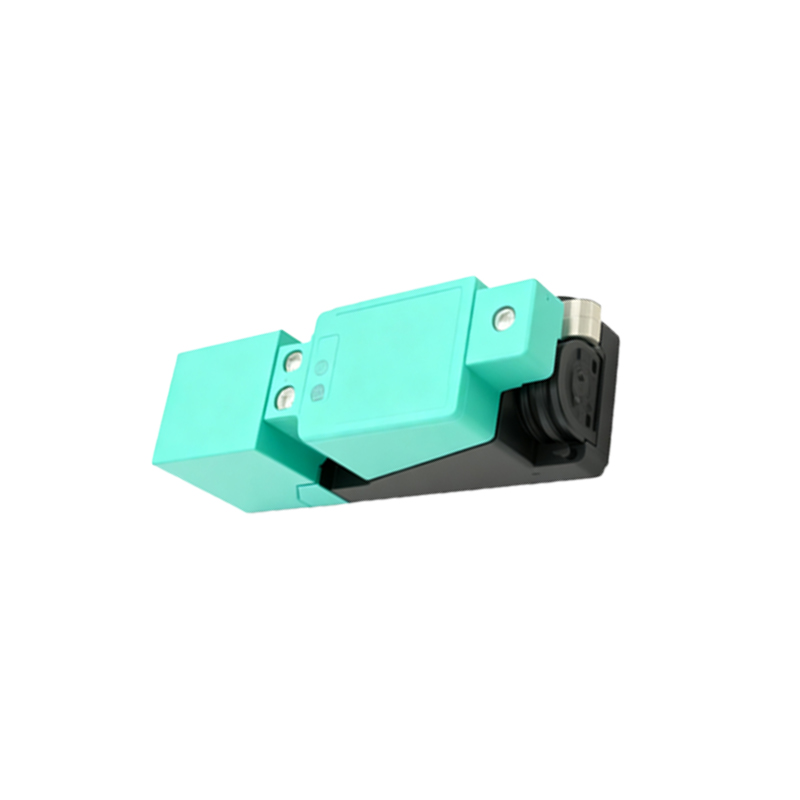
The application landscape is vast and diverse. In the automotive industry, these sensors are indispensable for anti-lock braking systems (ABS), detecting wheel speed via a toothed ring and magnet assembly. They monitor throttle position, gearbox selection, and provide non-contact sensing for brake pedals and door closures. Industrial automation heavily employs them for position sensing in linear and rotary actuators, end-of-travel detection, and as part of safety interlocks on machine guards. They count rotations, detect valve positions, and ensure precise assembly line operations.
Consumer electronics integrate miniaturized proximity magnetic sensors for innovative functions. In laptops and tablets, they detect lid closure to trigger sleep mode, conserving battery life. Smartphones use them to disable the touchscreen during calls when held near the ear. Wearable devices utilize them for cover detection or as part of digital compasses. Even everyday appliances like washing machines use them to sense drum position and speed.
Installation and system design require careful consideration. The strength and orientation of the target magnet directly impact performance. Designers must account for magnetic interference from other components or ambient fields. Proper alignment between the sensor and magnet is critical, especially for Hall-effect switches with specific polarities. Shielding may be necessary in electromagnetically noisy environments. For long-term reliability, selecting sensors with appropriate housing materials (e.g., resistant to chemicals or high temperature) is essential.

Looking forward, the evolution of proximity magnetic sensor technology focuses on increased integration, intelligence, and robustness. The trend towards Industry 4.0 and the Internet of Things (IoT) drives demand for sensors with built-in diagnostics, digital communication buses (like I2C or SPI), and lower power consumption for battery-operated devices. New materials and MEMS (Micro-Electro-Mechanical Systems) fabrication techniques promise even smaller, more sensitive, and cost-effective solutions. As systems become smarter and more automated, the role of these reliable, non-contact sensing workhorses will only continue to expand, enabling safer, more efficient, and innovative designs across countless fields.