In the seamless interaction with our smartphones, the automatic activation of a sink faucet, or the safe operation of industrial machinery, there lies an unseen enabler: the proximity sensor. This fundamental component of modern electronics operates silently in the background, detecting the presence or absence of nearby objects without any physical contact. Its principle is elegantly simple, yet its applications are vast and transformative, bridging the digital and physical worlds.
At its core, a proximity sensor works by emitting a field or a beam of electromagnetic radiation, often infrared light, and then looking for changes in the field or the return signal. The most common type found in consumer electronics is the infrared (IR) proximity sensor. When you hold your phone to your ear during a call, the sensor emits an IR beam. Your head reflects this beam back to the sensor's receiver, which signals the system to turn off the touchscreen display, preventing accidental cheek-dialing. This same basic technology, refined and adapted, serves countless other purposes.
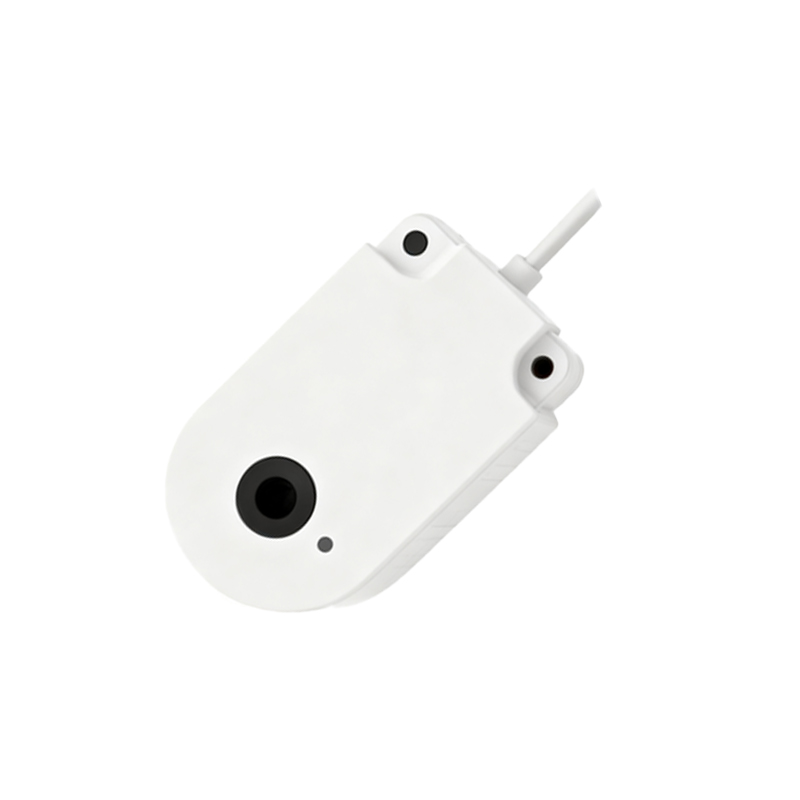
The automotive industry relies heavily on proximity sensors for safety and convenience. Parking sensors use ultrasonic or electromagnetic fields to measure the distance to obstacles, providing audible warnings to the driver. Advanced driver-assistance systems (ADAS) employ arrays of these sensors, including radar and LiDAR, to enable features like adaptive cruise control and collision avoidance. Here, reliability is non-negotiable, as the sensor's data directly influences vehicle control decisions.
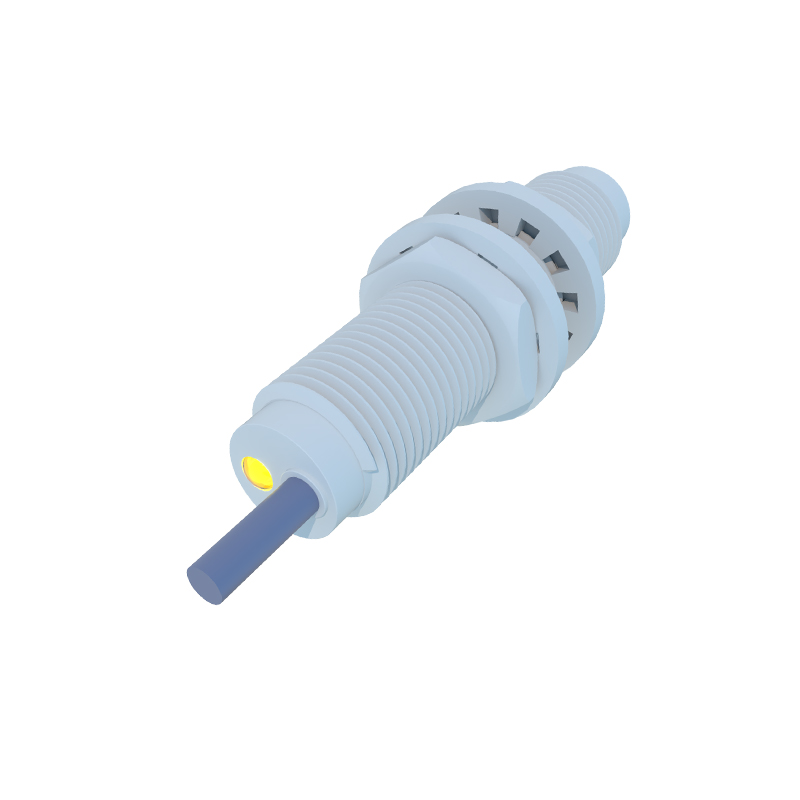
In industrial automation, proximity sensors are the workhorses of efficiency and safety. Inductive sensors detect metallic objects on assembly lines, ensuring precise positioning for robotic arms. Capacitive sensors can detect non-metallic materials like wood, plastic, or liquids, useful in packaging or fluid level monitoring. These sensors allow machines to "see" and react to their environment, enabling highly automated, lights-out manufacturing processes where human intervention is minimal. They also play a critical role in safety systems, creating invisible barriers that can halt a machine if a worker gets too close to a hazardous area.
Beyond phones and factories, proximity sensing enriches daily life. Interactive museum exhibits and digital signage activate when a visitor approaches. Automatic doors grant access seamlessly. Touchless faucets and soap dispensers in public restrooms promote hygiene. In retail, smart shelves can detect when products are picked up, potentially linking to inventory systems or interactive displays. The technology even finds use in agriculture, monitoring equipment position or detecting crop levels.
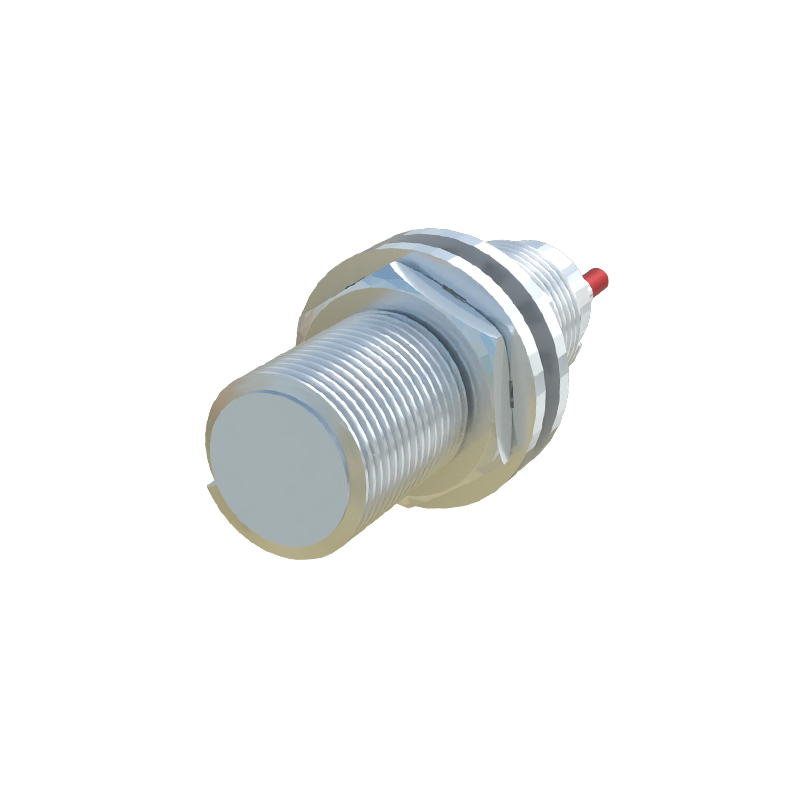
The evolution of proximity sensing is tightly linked to advancements in other fields. Miniaturization allows sensors to be embedded into ever-smaller devices like wireless earbuds, which use them for play/pause control when removed from the ear. Improved energy efficiency is crucial for battery-powered Internet of Things (IoT) devices, where a sensor must wake a system only when necessary. Furthermore, sensor fusion—combining data from proximity sensors with accelerometers, cameras, and other inputs—is creating more contextual and intelligent systems. For instance, a laptop might use a proximity sensor to detect a user's presence to wake up, while also using a camera for facial recognition to log in.
However, the path is not without challenges. Environmental factors like bright sunlight can interfere with optical sensors. Different surface materials reflect signals in varying ways, requiring careful calibration. Designers must also consider power consumption, response time, and cost for each specific application. The future points toward smarter, more adaptive sensors with embedded processing capabilities that can filter noise and make preliminary decisions locally.
From the device in your pocket to the automated systems building the cars we drive, proximity sensors are a foundational technology. They perform a seemingly mundane task—detecting "something is there"—but this simple function unlocks profound levels of automation, interaction, and safety. As technology continues to weave itself into the fabric of our environment, these invisible sentinels will remain essential, quietly extending our senses and enabling machines to perceive and respond to the world around them.