In the world of automation and smart technology, proximity sensors are the silent, unseen workhorses. They detect the presence or absence of an object without any physical contact, enabling countless machines and devices to operate intelligently and efficiently. From the smartphone in your pocket that turns off its display when held to your ear, to the complex robotic arms on a manufacturing assembly line, proximity sensors are fundamental components.
At their core, proximity sensors work by emitting a field or beam of electromagnetic radiation, such as infrared light, or by creating an electromagnetic field. When an object enters this field, it causes a change in the signal. The sensor's circuitry detects this change and converts it into an electrical output signal, typically to trigger an action like stopping a motor or sending data to a controller. This non-contact operation is their key advantage, leading to high reliability, long operational life, and minimal wear and tear.
Several main types of proximity sensors dominate the market, each with distinct principles and ideal use cases. Inductive proximity sensors are among the most common. They generate an oscillating electromagnetic field and detect the eddy current losses caused when a metallic object enters the field. Consequently, they are perfect for industrial environments to detect metals—be it in machine tools, conveyor systems, or for counting metal parts. They are robust, resistant to dirt and moisture, but are limited to ferrous and non-ferrous metals.
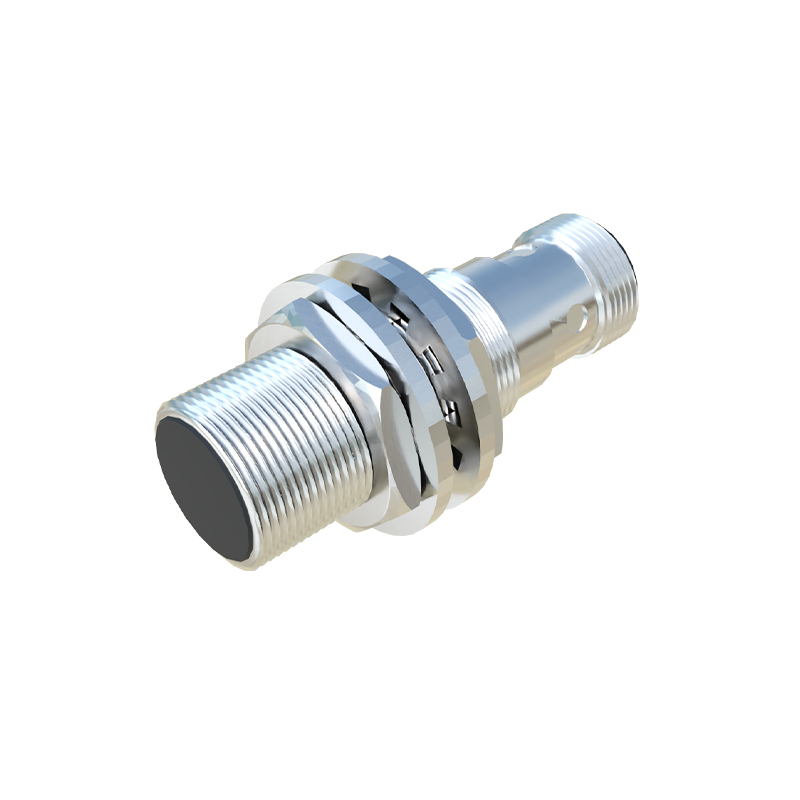
Capacitive proximity sensors, on the other hand, can detect both metallic and non-metallic materials, including liquids, powders, plastics, and wood. They function by measuring changes in capacitance between the sensor and the target object. This makes them versatile for applications like liquid level detection, material handling, and presence detection of glass or plastic containers. However, they can be more susceptible to environmental factors like humidity.
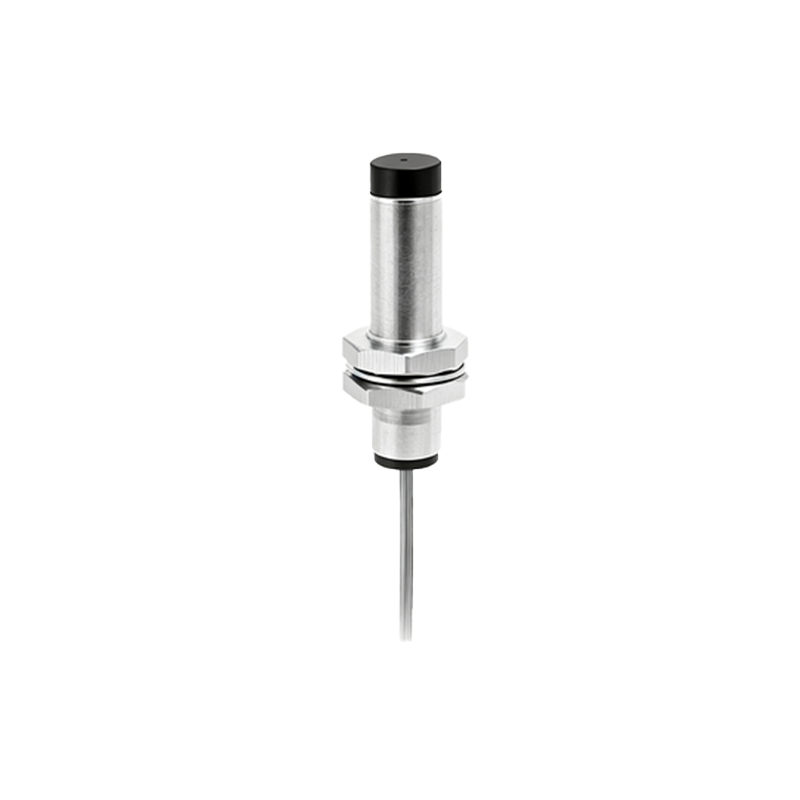
For longer-range detection and for sensing non-metallic objects where capacitive sensors might not be suitable, photoelectric sensors are the go-to choice. These use a light beam (usually infrared, laser, or visible LED) and detect the interruption or reflection of that beam. They come in various configurations: through-beam (separate emitter and receiver), retro-reflective (bounces light off a reflector), and diffuse (reflects light directly off the target). Photoelectric sensors are essential in packaging, material handling, and safety systems.
Another important category is ultrasonic proximity sensors. These work on a principle similar to sonar, emitting high-frequency sound waves and measuring the time it takes for the echo to return. They are excellent for detecting objects regardless of color, transparency, or material, and are often used for distance measurement, level sensing in tanks, and in challenging environments with dust or vapor.
Selecting the right proximity sensor requires careful consideration of several factors. First, identify the target material—is it metal, plastic, liquid, or something else? This will narrow down the type. Next, consider the required sensing distance or range. Inductive sensors typically have shorter ranges than photoelectric or ultrasonic ones. The operating environment is critical; factors like temperature extremes, presence of chemicals, washdown requirements, or heavy dust will dictate the needed housing material and ingress protection (IP) rating. Finally, the output type (e.g., digital NPN/PNP, analog, IO-Link) must be compatible with the control system it will interface with.
The applications are virtually limitless. In automotive manufacturing, inductive sensors ensure robotic welders are in position. In consumer electronics, capacitive sensors enable touchless faucets and touch-sensitive buttons. In agriculture, ultrasonic sensors monitor grain silo levels. In logistics, photoelectric sensors control sorting systems. Their role in enabling the Internet of Things (IoT) is growing, with smart sensors providing diagnostic data and facilitating predictive maintenance.
In conclusion, proximity sensors are indispensable in modern engineering. Understanding their different operating principles—inductive, capacitive, photoelectric, and ultrasonic—is the first step to leveraging their capabilities. By matching the sensor type to the specific application requirements regarding target, range, environment, and output, engineers and designers can build more reliable, efficient, and intelligent systems. As technology advances, we can expect these sensors to become even smaller, smarter, and more integrated, continuing to drive innovation across all industries.