Proximity sensors are essential components in modern automation, industrial control, and consumer electronics. They detect the presence or absence of objects without physical contact, offering reliability and longevity. General purpose proximity sensors are versatile devices used across various applications. Understanding their types helps in selecting the right sensor for specific needs.
Inductive proximity sensors are widely used for detecting metallic objects. They generate an electromagnetic field and sense changes caused by metallic targets. These sensors are robust, suitable for harsh industrial environments, and unaffected by dust, oil, or moisture. Common applications include position sensing in machinery, conveyor systems, and automotive assembly lines.
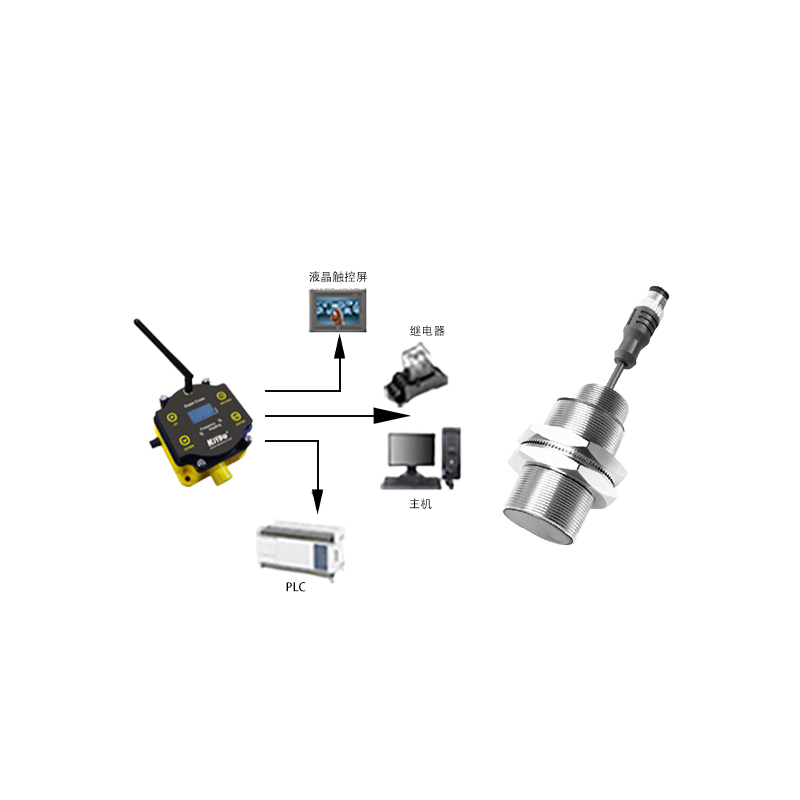
Capacitive proximity sensors can detect both metallic and non-metallic materials, such as plastics, liquids, or wood. They work by measuring changes in capacitance when an object enters their electrical field. These sensors are ideal for level detection in tanks, material handling, and packaging industries. Their sensitivity adjustment feature allows customization for different materials.
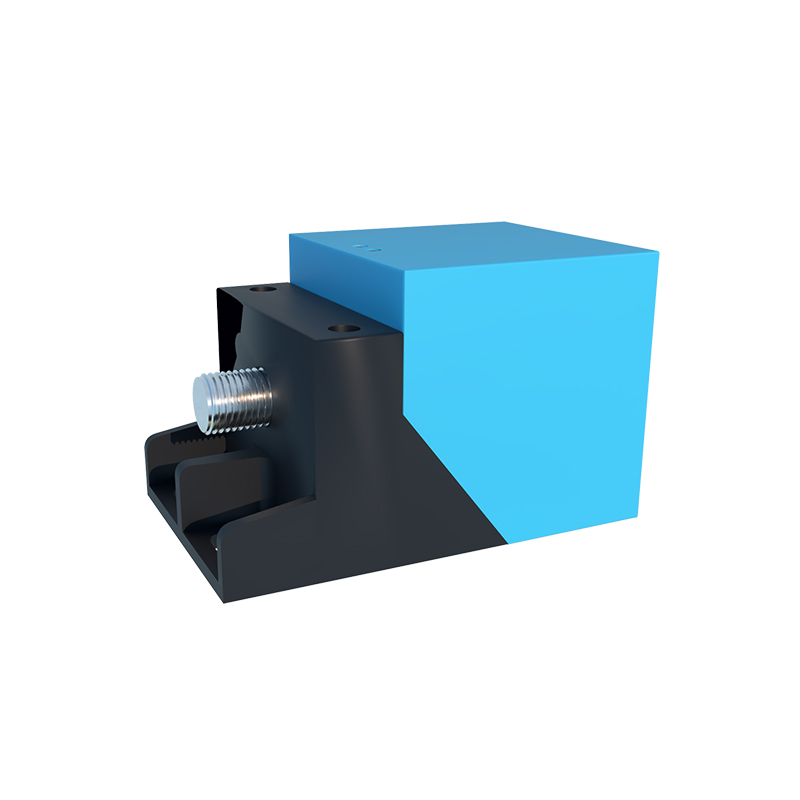
Ultrasonic proximity sensors use sound waves to detect objects. They emit high-frequency ultrasonic pulses and measure the time taken for echoes to return. These sensors are effective for detecting transparent, shiny, or irregularly shaped objects that may challenge optical sensors. Applications include distance measurement, object counting, and collision avoidance in robotics.
Photoelectric proximity sensors employ light beams to detect objects. They consist of a light emitter and receiver. When an object interrupts or reflects the light beam, the sensor triggers. Photoelectric sensors are categorized into through-beam, retro-reflective, and diffuse-reflective types. They excel in detecting small objects, transparent materials, and long-range applications like warehouse automation.
Magnetic proximity sensors detect permanent magnets using reed switches or Hall effect elements. They are compact, energy-efficient, and used in safety interlocks, door position sensing, and automotive systems. Their sealed design makes them resistant to contaminants.
Each type has distinct advantages. Inductive sensors offer precision with metals; capacitive sensors handle diverse materials; ultrasonic sensors work in challenging conditions; photoelectric sensors provide versatility; magnetic sensors ensure reliability in simple setups. Factors like sensing range, response time, environmental conditions, and target material influence selection.
In summary, general purpose proximity sensors enable automation and efficiency across industries. Choosing the appropriate type enhances system performance and durability. As technology advances, these sensors continue evolving with improved accuracy and connectivity features.