In the realm of industrial automation and smart systems, the ability to count objects accurately and reliably is fundamental. Proximity sensor counting has emerged as a cornerstone technology for this task, offering a non-contact, efficient, and durable solution across countless applications. Unlike mechanical counters or manual methods, proximity sensors provide a seamless way to monitor production rates, manage inventory, and control processes without physical interaction with the target objects.
At its core, proximity sensor counting involves using a sensor to detect the presence or absence of an object as it passes a specific point. Each detection event is registered as a count. The principle is straightforward, but the reliability of the system hinges on the type of sensor and its correct application. The most common sensors used for counting are inductive, capacitive, and photoelectric (optical) proximity sensors.
Inductive proximity sensors are the workhorses in metal detection and counting. They generate an electromagnetic field. When a metallic object enters this field, it induces eddy currents within the object, which in turn cause a change in the sensor's own oscillation amplitude. This change is detected and converted into a switching signal. These sensors are ideal for counting metal parts on conveyor belts, such as screws, bolts, or machined components, in environments laden with dust, oil, or coolant. Their robustness and insensitivity to non-metallic contaminants make them a preferred choice in manufacturing.
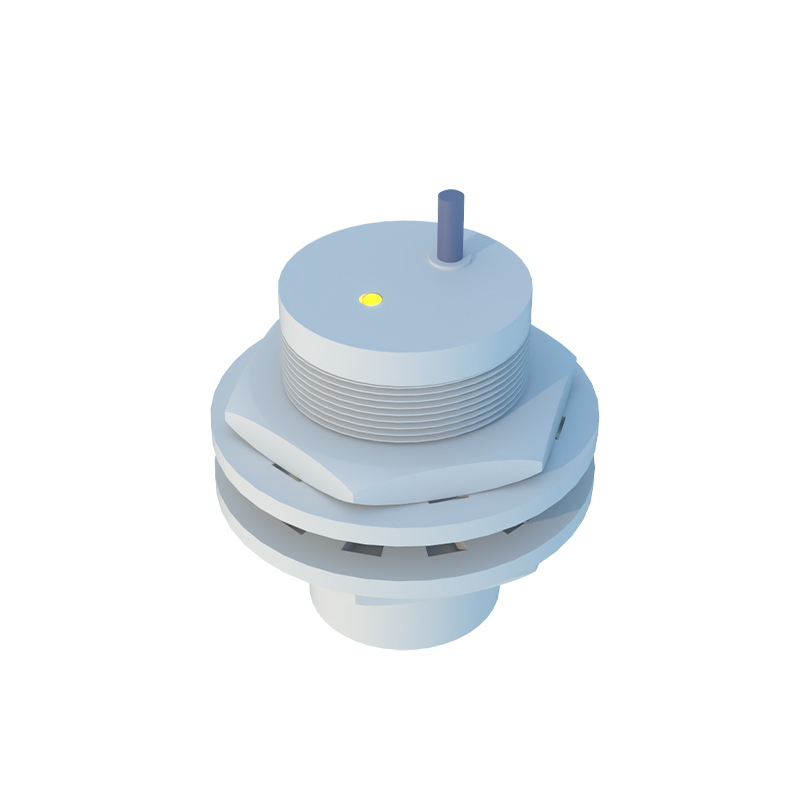
Capacitive proximity sensors, on the other hand, can detect both metallic and non-metallic materials like plastic, glass, wood, and liquids. They function by generating an electrostatic field. Any object with a dielectric constant different from air will alter the capacitance of the sensor's field, triggering an output. This makes them perfect for counting bottles on a filling line, wooden blocks, or stacks of paper. However, they can be sensitive to environmental factors like humidity or the material's composition, requiring careful calibration.
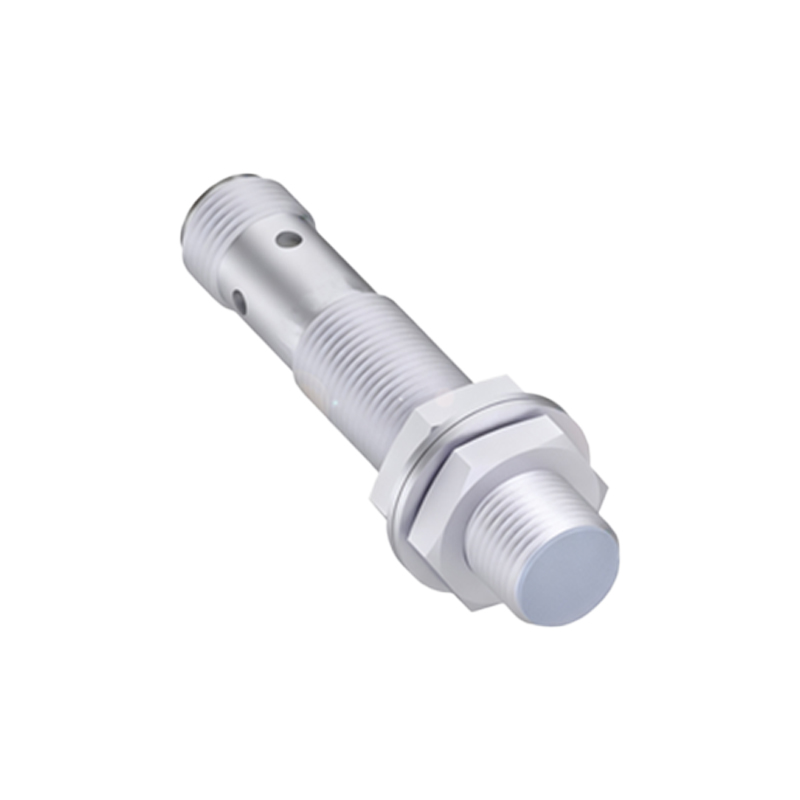
Photoelectric sensors offer the longest detection ranges and high precision. They operate by emitting a beam of light (visible, infrared, or laser) and detecting its reflection or interruption. Through-beam sensors, where the emitter and receiver are separate units, are exceptionally accurate for counting because the object must break the beam entirely. Retro-reflective and diffuse-reflective models are also widely used. These sensors excel in counting transparent objects, colored items, or small components where other sensors might fail. They are ubiquitous in packaging, pharmaceutical, and food & beverage industries for counting boxes, vials, or products on high-speed lines.
Implementing an effective counting system requires more than just selecting a sensor. Several critical factors must be considered. The sensing range must be appropriate for the object's size and the required mounting distance. The response time of the sensor must be fast enough to handle the maximum speed of the objects; a slow sensor will miss counts on a fast-moving line. The output signal, typically a digital pulse (PNP/NPN), must be compatible with the counter or Programmable Logic Controller (PLC). Environmental conditions are paramount: temperature extremes, splashing water, heavy vibration, or electromagnetic interference can severely impact performance, dictating the need for sensors with suitable ingress protection (IP) ratings and robust housing.
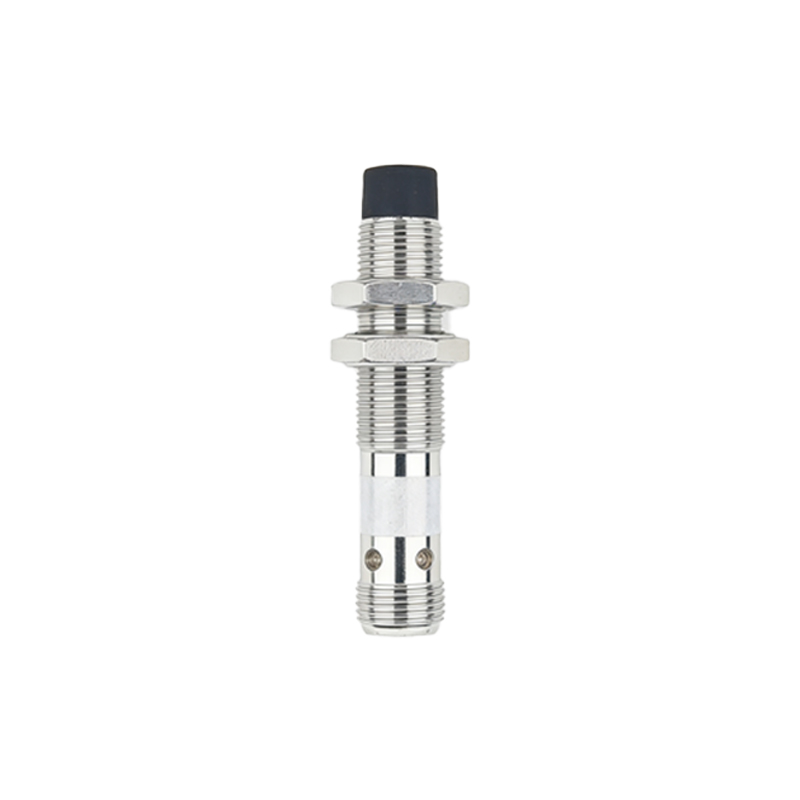
The counting logic itself is typically handled by a dedicated electronic counter or a PLC. The sensor's pulse is fed into this device, which increments its internal register. Advanced systems can implement functions like batch counting (triggering an action after a set number), rate calculation (items per minute), and data communication to supervisory systems for production monitoring. Debouncing or timing functions are often used to prevent a single object from being counted multiple times due to sensor oscillation or object vibration.
The applications of proximity sensor counting are vast and varied. In automotive assembly, sensors count parts delivered to robots. In logistics, they track parcels on sortation conveyors. In agriculture, they can count fruits passing through a sorting machine. In warehousing, they monitor inventory on automated storage and retrieval systems (AS/RS). The benefits are clear: increased accuracy over manual counting, enhanced production speed, reduced waste from over or under-filling, lower labor costs, and valuable data collection for process optimization.
In conclusion, proximity sensor counting is a mature yet continually evolving technology that forms an invisible backbone of modern automation. Its success lies in matching the right sensor technology—inductive, capacitive, or photoelectric—to the specific material, environmental, and speed requirements of the application. When implemented correctly, it delivers unparalleled reliability, driving efficiency and intelligence in manufacturing and material handling processes worldwide. As objects become smaller and lines move faster, the demand for even more precise and robust sensing solutions will only grow, ensuring this technology remains at the forefront of industrial innovation.