In the intricate dance of modern automation and smart devices, a silent, robust performer works tirelessly behind the scenes: proximity sensor ceramics. These advanced ceramic components are fundamental to the functionality of non-contact sensing systems, enabling everything from the automatic dimming of your smartphone screen to the precise positioning of industrial robots. Unlike their metallic or plastic counterparts, ceramic materials offer a unique combination of properties that make them indispensable in demanding sensing applications.
The core function of a proximity sensor is to detect the presence or absence of an object within a specific range without physical contact. This is typically achieved through electromagnetic fields, capacitive coupling, or infrared light. The housing, substrate, or sensing face of these sensors often relies on specialized ceramics. Materials like alumina (Al2O3), zirconia (ZrO2), and various advanced nitride ceramics are commonly employed. Their primary role is to protect sensitive internal electronics from harsh environments while allowing the sensing signal to pass through with minimal interference.
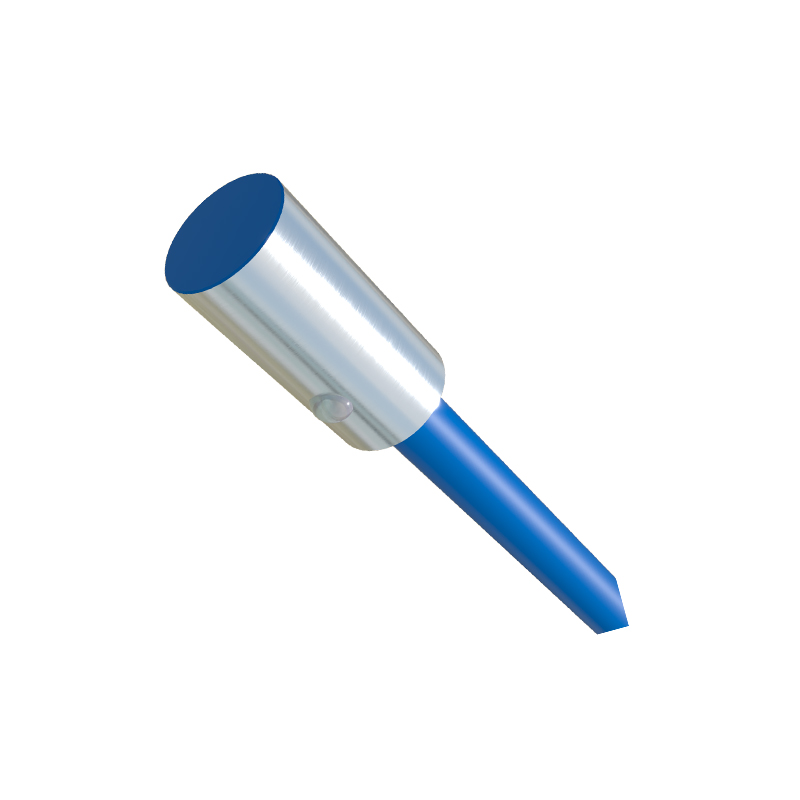
Why ceramics? The answer lies in their exceptional material portfolio. First and foremost is their outstanding environmental stability. Proximity sensors equipped with ceramic faces exhibit remarkable resistance to corrosion, chemicals, and oxidation. In industrial settings where sensors are exposed to coolants, oils, or acidic fumes, metallic components may degrade rapidly, but ceramics remain inert and fully functional. This translates to significantly longer sensor lifespans and reduced maintenance costs in factories, chemical plants, and food processing facilities.
Thermal performance is another critical advantage. Advanced ceramics can withstand extreme temperatures, both high and low, without losing their structural integrity or insulating properties. A sensor with a zirconia-based housing can operate reliably near furnaces or welding stations where temperatures soar, while also performing in freezing outdoor conditions. This thermal resilience ensures consistent signal stability, as the ceramic material does not expand, contract, or become conductive with heat to the same degree as metals, preventing false triggers.
Furthermore, ceramics provide excellent electrical insulation and high dielectric strength. This is crucial for capacitive and inductive proximity sensors, where the sensing field must be precisely controlled. The ceramic barrier effectively shields the internal coil or capacitor from external electrical noise and prevents short circuits, ensuring accurate and repeatable detection. Their inherent hardness, often rivaling that of diamonds, grants superior abrasion and wear resistance. On assembly lines where sensors are subjected to constant dust, particulate matter, or occasional physical scrapes, a ceramic sensing face will outlast a plastic one by orders of magnitude, maintaining a smooth surface that does not interfere with sensing accuracy.
The manufacturing of these components leverages advanced powder processing and sintering techniques. Engineers can tailor the ceramic's porosity, surface finish, and geometry to optimize it for specific sensing technologies. For instance, a very dense, polished alumina ceramic is ideal for infrared-based sensors, as it allows optimal light transmission for the relevant wavelengths. The versatility in design enables integration into increasingly miniaturized consumer electronics, where space is at a premium and reliability is non-negotiable.
From consumer electronics to heavy industry, the applications are vast. In your smartphone, a tiny ceramic component helps the device sense when it is near your ear during a call, turning off the display to save power and prevent accidental touches. In automotive systems, ceramic-based sensors contribute to parking assistance, blind-spot detection, and safety systems. The most demanding applications are found in industrial automation, where they guide robotic arms, count products on high-speed conveyor belts, and ensure precise positioning in CNC machining. Their immunity to environmental contaminants makes them perfect for wash-down areas in pharmaceutical and food & beverage production.
As the Internet of Things (IoT) and Industry 4.0 continue to expand, the demand for reliable, durable, and precise sensing will only grow. Proximity sensor ceramics sit at the heart of this evolution. Their ability to enable non-contact sensing in environments that would cripple other materials makes them not just a component, but a critical enabler of innovation. Ongoing research focuses on developing new ceramic composites with even better tailored electromagnetic properties and lower costs, promising to unlock new capabilities in sensing technology. In a world increasingly dependent on seamless interaction between machines and their environment, these invisible ceramic guardians ensure that the sense of touch, without ever touching, remains flawless.