Introduction to 3-Wire Proximity Sensors
Three-wire proximity sensors are fundamental components in modern industrial automation, widely used for non-contact detection of metallic objects. Unlike two-wire sensors that simplify wiring but have limitations in performance, three-wire sensors offer enhanced precision, reliability, and flexibility. They are commonly employed in manufacturing lines, packaging machinery, and robotic systems to monitor position, count parts, or ensure safety. The "large-size" variants, often referred to in industry contexts, typically feature robust housings and extended sensing ranges, making them suitable for harsh environments where durability is paramount. Their design allows for consistent operation under varying temperatures, vibrations, and contaminants, ensuring long-term stability in demanding applications.
Wiring Configuration and Electrical Characteristics
The three wires in these sensors correspond to power supply, ground, and output signal. Typically, they operate on DC voltages ranging from 10 to 30 VDC, with brown wire for positive supply, blue wire for ground, and black wire for the output signal. In sourcing (PNP) configurations, the output provides a positive voltage when activated, while sinking (NPN) configurations switch the ground connection. This distinction is crucial for compatibility with programmable logic controllers (PLCs) and other control systems. Large-size sensors often incorporate advanced circuitry for overload protection, short-circuit resistance, and reverse polarity safeguarding, minimizing downtime in industrial setups. Engineers must verify voltage ratings and load currents to prevent malfunctions, adhering to international standards like IEC 60947-5-2 for safety and performance.
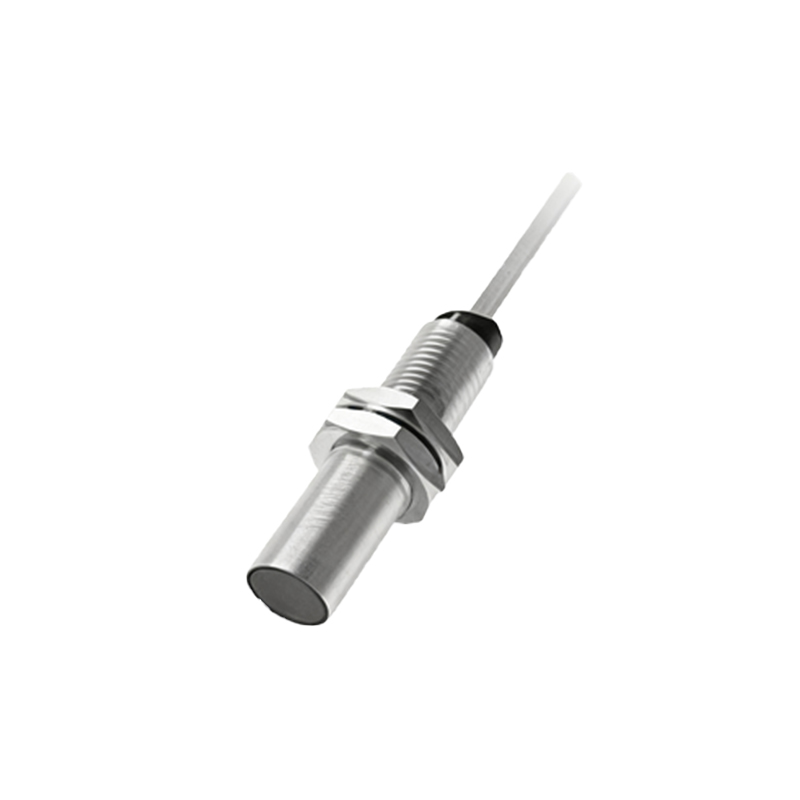
Operating Principles and Sensing Technologies
Most large three-wire proximity sensors utilize inductive sensing, generating an electromagnetic field to detect ferrous and non-ferrous metals without physical contact. When a metal object enters the sensing range, it alters the field's characteristics, triggering the output switch. Key parameters include sensing distance, which can extend up to several inches in larger models, and response frequency, enabling high-speed detection in rapid production cycles. Some variants employ capacitive or ultrasonic principles for non-metallic materials, but inductive types dominate in metal-heavy industries. The housing, often made of stainless steel or rugged plastics, shields internal components from mechanical stress and electromagnetic interference, ensuring accurate readings in noisy environments.
Selection Criteria for Industrial Use
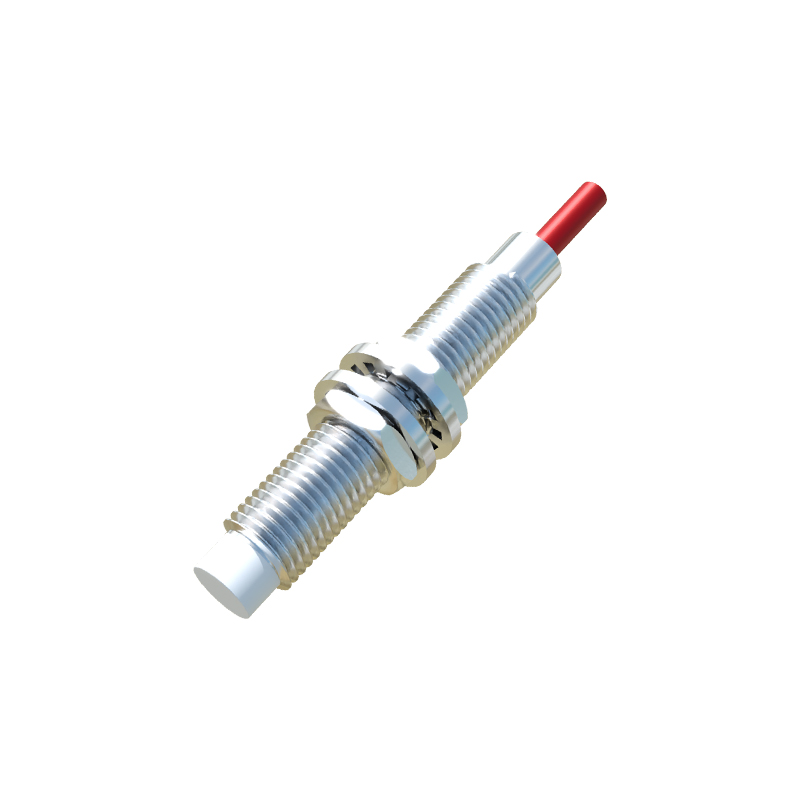
Choosing the right large three-wire proximity sensor involves evaluating factors like sensing range, environmental conditions, and output type. For instance, in automotive assembly lines, sensors with extended ranges detect vehicle parts on conveyors, while food processing plants may require washdown-rated models to withstand moisture and chemicals. Output configuration (PNP vs. NPN) must match the control system's input requirements to avoid interface issues. Additionally, consider housing shape (cylindrical or rectangular) for easy mounting and alignment. Engineers should also review temperature tolerances, typically from -25°C to 70°C, and ingress protection (IP) ratings like IP67 for dust and water resistance, ensuring reliability in diverse operational settings.
Installation and Maintenance Best Practices
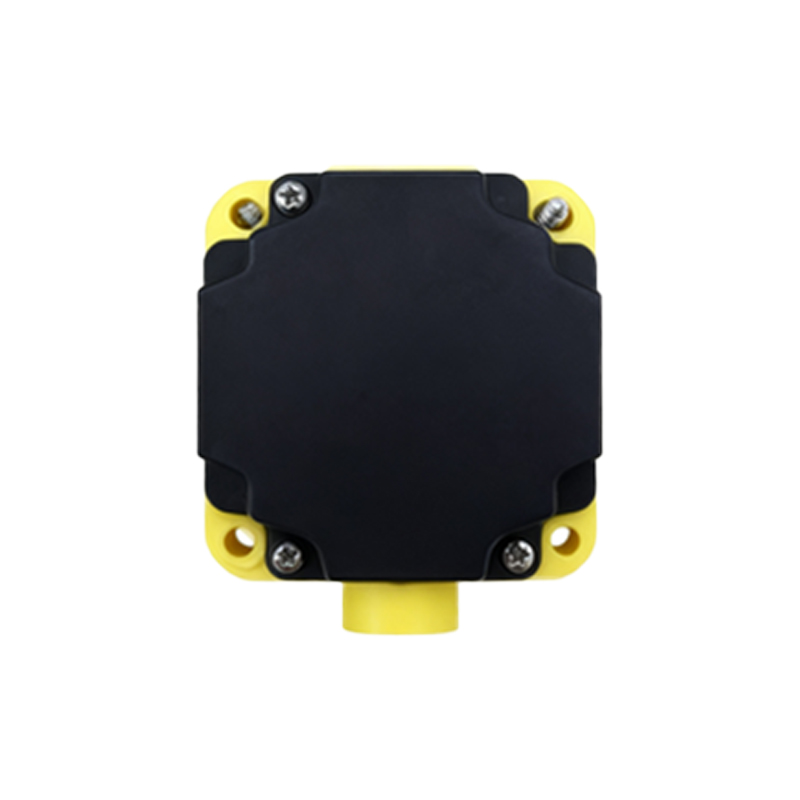
Proper installation is vital for optimal performance. Mount sensors securely to avoid vibrations that could cause false triggers, and ensure adequate clearance from other metal objects to prevent interference. Wiring should follow manufacturer guidelines, using shielded cables in electrically noisy areas to reduce signal distortion. Regular maintenance includes cleaning sensing faces to remove debris and checking connections for corrosion. Large-size sensors often feature LED indicators for status monitoring, simplifying troubleshooting. For longevity, avoid exposing sensors to extreme temperatures or direct impacts, and periodically test functionality with target objects to verify consistent operation. Implementing these practices reduces downtime and extends sensor lifespan in industrial applications.
Common Applications and Industry Examples
Large three-wire proximity sensors are versatile tools across sectors. In material handling, they detect pallets on conveyors or position cranes in warehouses. Automotive plants use them for part presence verification in robotic welding stations, while packaging machinery relies on them for bottle counting and cap placement. In heavy machinery, they serve as safety devices to monitor guard positions or limit movement. Their robustness makes them ideal for outdoor use in mining or construction, where they endure dust and shocks. By providing reliable, non-contact sensing, these sensors enhance efficiency, reduce wear compared to mechanical switches, and contribute to automated system integrity.
Advantages Over Other Sensor Types
Compared to two-wire or four-wire sensors, three-wire models offer distinct benefits. They provide stable output signals with minimal voltage drop, allowing longer cable runs without performance loss. The separate output wire enables faster response times, critical in high-speed automation. Large-size versions often include features like teach-in functionality for adjustable sensing ranges or IO-Link