Introduction to Industrial Proximity Sensors
In the complex and dynamic environment of modern industrial automation, proximity sensors stand as fundamental components for ensuring operational safety, precision, and efficiency. These non-contact devices detect the presence or absence of an object within a specified range without any physical contact. Their ability to function reliably in harsh conditions—amidst dust, oil, vibration, and extreme temperatures—makes them indispensable across various sectors, including automotive assembly, packaging, material handling, and metalworking. By providing critical input to programmable logic controllers (PLCs) and other control systems, proximity sensors form the sensory backbone of automated processes, enabling machines to interact intelligently with their surroundings.
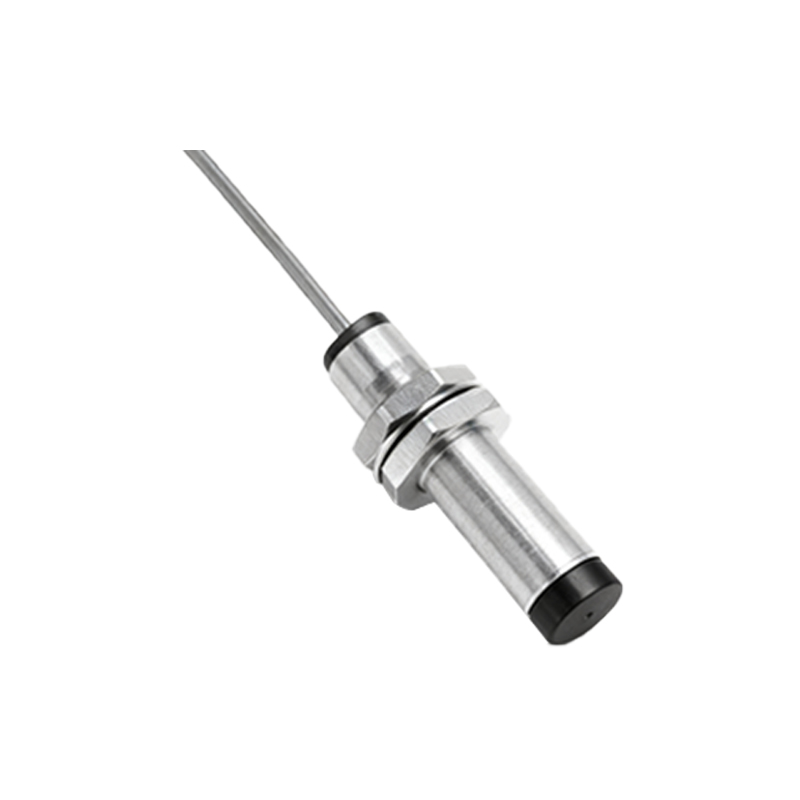
Core Operating Principles and Technologies
Industrial proximity sensors operate on several distinct physical principles, each suited to specific applications and target materials. Inductive proximity sensors are the most common type, generating an electromagnetic field to detect metallic objects. They are highly reliable for sensing ferrous and non-ferrous metals but are ineffective for non-metallic materials. Capacitive proximity sensors, on the other hand, can detect both metallic and non-metallic materials—such as plastics, glass, wood, and liquids—by measuring changes in capacitance. Ultrasonic sensors use sound waves to detect objects and measure distance, making them ideal for applications requiring precise level detection or presence sensing of varied materials. Finally, photoelectric sensors utilize light beams (visible, infrared, or laser) and are excellent for long-range detection and sensing of small objects.
Key Applications in Manufacturing and Automation
The versatility of proximity sensors drives their deployment in countless industrial scenarios. A primary application is machine safety, where sensors act as guards to detect personnel entering hazardous zones, triggering emergency stops on robotic arms or press brakes. In assembly lines, they are used for precise part positioning, verifying the presence of components before a welding or fastening operation. Counting and sorting applications rely on sensors to tally products on conveyor belts or identify different materials for routing. Furthermore, in packaging machinery, sensors ensure correct fill levels, cap placement, and label positioning. Their role in predictive maintenance is also growing, as they can monitor vibration or detect metal shavings in lubricants, signaling potential equipment failure before it occurs.
Critical Selection Criteria for Engineers
Selecting the appropriate proximity sensor requires a careful analysis of several technical and environmental factors. The nature of the target material is paramount; inductive sensors for metals, capacitive for non-metals. The required sensing distance, or range, must be specified, considering both the nominal operating distance and necessary safety margins. Environmental conditions are crucial; sensors must have suitable ingress protection (IP) ratings for dust and water resistance and be constructed from materials like stainless steel or PTFE for corrosive atmospheres. Electrical output type (e.g., NPN, PNP, analog, IO-Link) must be compatible with the control system. Other considerations include switching frequency for high-speed applications, housing size for space-constrained installations, and temperature tolerance for extreme environments.
Installation, Configuration, and Best Practices
Proper installation is critical to sensor performance and longevity. Engineers must ensure correct mounting, maintaining the specified clearance around the sensor face to prevent interference from surrounding metal (the "flush-mountable" feature mitigates this). Alignment with the target object must be precise, especially for photoelectric and ultrasonic types. Electrical wiring should follow manufacturer guidelines and local electrical codes to prevent noise interference or damage. Configuration often involves setting sensitivity thresholds or teaching-in reference distances. Regular maintenance, including cleaning the sensing face from debris and verifying operational stability, is a recommended best practice to prevent unexpected downtime.
The Future: Smart Sensors and Industry 4.0 Integration
The evolution of proximity sensors is tightly linked to the rise of Industry 4.0 and the Industrial Internet of Things (IIoT). Modern "smart" sensors are equipped with digital communication protocols like IO-Link, which enables bidirectional data exchange beyond simple on/off signals. This allows for remote parameter configuration, advanced diagnostics, and the transmission of process data (e.g., temperature, signal strength) to higher-level systems. This data facilitates condition monitoring, predictive analytics, and seamless integration into digital twin models. Future advancements may include increased miniaturization, enhanced sensing ranges, and greater intelligence embedded at the edge, further blurring the line between sensors and distributed control units.
Conclusion: An Indispensable Automation Component
Industrial proximity sensors, though often small and unobtrusive, play an outsized role in the functionality and safety of automated systems. Their continuous technological advancement—from robust basic detection to intelligent, connected devices—ensures they will remain at the forefront of manufacturing innovation. For engineers and system integrators, a deep understanding of their