Introduction to M12 Proximity Sensors
M12 proximity sensors are a cornerstone of industrial automation, renowned for their compact size, robust construction, and reliable performance. The "M12" designation refers to the standardized 12mm threaded cylindrical housing, which has become a ubiquitous form factor for sensors in factory environments. These inductive, capacitive, or magnetic sensors are designed for non-contact detection of metallic or non-metallic objects, playing a critical role in positioning, counting, and quality control processes. Their widespread adoption is largely due to the balance they strike between a small footprint and sufficient sensing capability, making them ideal for space-constrained applications on machinery, robotic arms, and conveyor systems. Understanding their precise dimensions and related specifications is paramount for seamless integration into control systems.
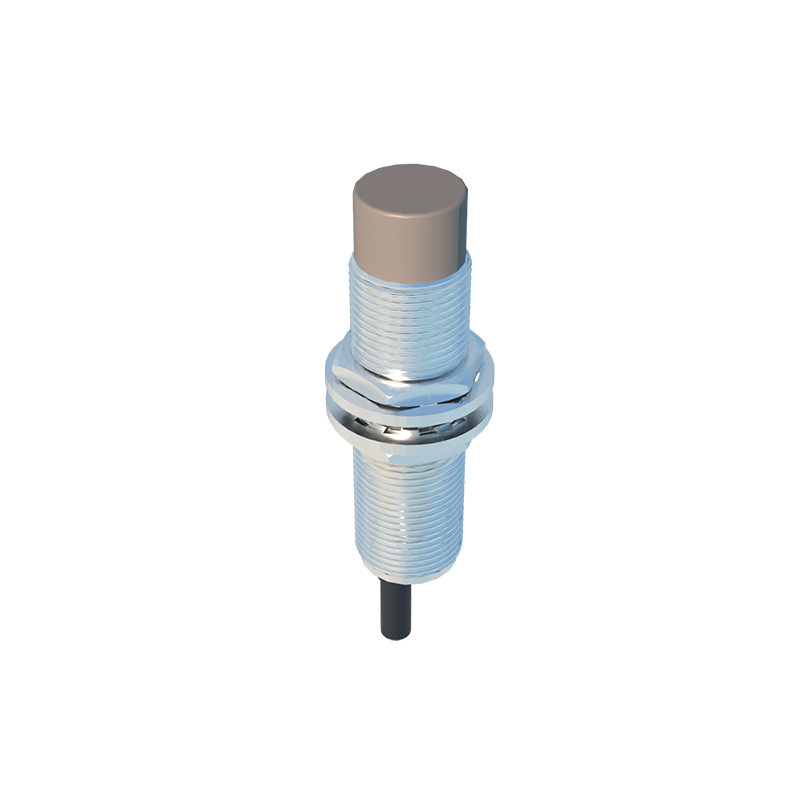
Detailed Breakdown of Standard M12 Dimensions
The primary dimensional characteristic is, of course, the threaded barrel. An M12 sensor features a metric thread with a 12mm outer diameter and a standard pitch of 1.0mm or 1.5mm, allowing for secure mounting in a corresponding threaded hole. The typical sensing face diameter is approximately 8mm, though this can vary slightly between manufacturers and sensing technologies. The overall length of the sensor body is not standardized and can range significantly, from compact versions around 40mm to elongated models exceeding 80mm, depending on the embedded electronics, sensing range, and connection type. The threaded section itself is usually between 15mm and 20mm long, ensuring adequate engagement for vibration resistance. Engineers must consult specific datasheets for exact values, as even minor deviations can affect mounting depth and clearance.
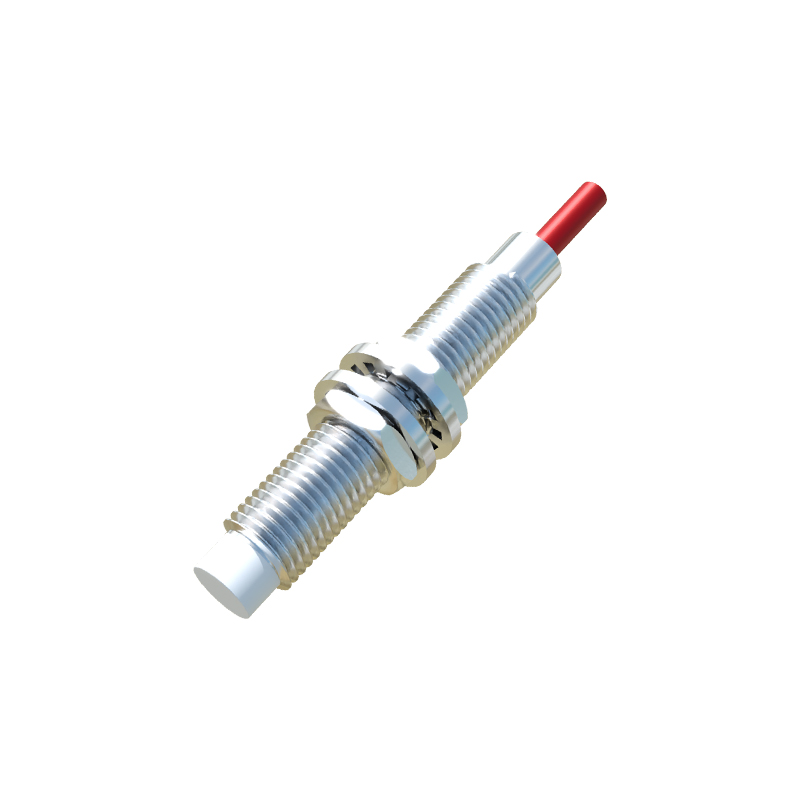
Connection Styles and Their Impact on Form Factor
The connection method is a major factor influencing the sensor's overall envelope dimensions. There are two predominant styles: pre-wired (cable exit) and connectorized (quick-disconnect). Pre-wired M12 sensors have an integrated cable, typically 2 meters long, exiting from the rear or the side of the housing. This style often results in a slightly longer body to accommodate the cable gland and strain relief. The connectorized version features a built-in male or female 4-pin or 5-pin M12 connector at the rear. This design offers a more modular and serviceable solution but adds the length of the connector itself to the sensor's rear profile. The choice between these styles affects not just the sensor's length but also the required space behind the mounting panel for cable bending or connector mating.
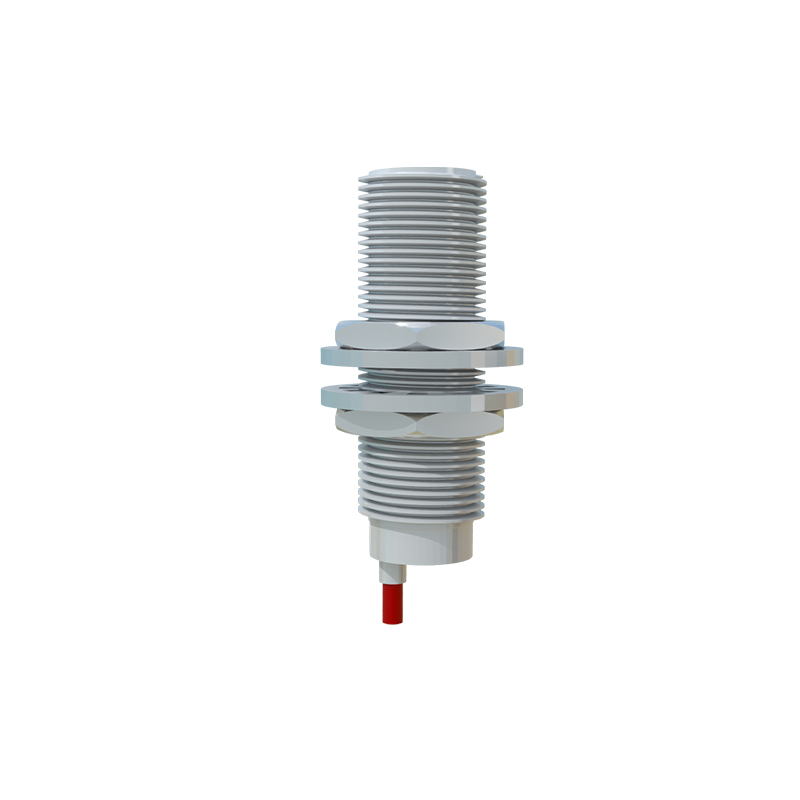
Key Mounting Considerations and Clearance
Proper installation requires careful attention to mounting dimensions and surrounding clearances. A fundamental rule is to ensure the sensing face is flush with or slightly recessed from the metal mounting surface to prevent physical damage. Engineers must account for the wrench flat dimensions, usually a 17mm or 19mm hex, which dictates the tool space needed for tightening. Furthermore, adjacent sensors or metal structures must maintain a minimum lateral clearance—often specified as one to two times the sensor's diameter—to prevent mutual interference and false triggering. For flush-mountable inductive sensors, the recommended non-ferrous metal surround thickness is also a critical dimensional parameter to guarantee the advertised sensing range.
Comparison with Other Sensor Sizes (M8, M18, M30)
M12 sensors occupy a middle ground in the common metric sensor family. The smaller M8 (8mm thread) sensors offer an even more miniature footprint but generally have a shorter sensing range and may house less robust electronics. Conversely, the larger M18 and M30 sensors provide significantly longer sensing distances and often more powerful output options, but their substantial size makes them unsuitable for high-density applications. The M12's popularity stems from its optimal compromise: it is small enough for modern, compact machinery yet large enough to deliver reliable sensing performance over a practical distance (typically 2mm to 8mm for standard inductive models) and house durable components.
Selecting the Right M12 Sensor for Your Application
Choosing the correct M12 sensor goes beyond just the thread size. The required sensing distance directly influences the physical size of the coil inside, potentially affecting the housing length. Environmental factors may necessitate a stainless-steel barrel instead of nickel-plated brass, which has identical threads but different material thicknesses. Specialized variants, like cylindrical sensors with built-in amplifiers or those with extended temperature ranges, might have unique dimensional profiles. Always cross-reference the mechanical drawing in the manufacturer's datasheet with your panel layout. Verifying the exact body length, connector position, and cable exit angle is the final, crucial step to avoid costly installation errors and ensure reliable operation.