Introduction to Proximity Sensors in Wearable Technology
Proximity sensors have become integral components in modern electronics, detecting the presence or absence of nearby objects without physical contact. In wearable technology, such as smartwatches, these sensors offer enhanced functionality by enabling touchless interactions and power-saving features. Typically based on infrared, capacitive, or ultrasonic principles, proximity sensors can sense when a user's wrist is near the watch face or when the device is removed. This capability allows for automatic screen activation or deactivation, improving user experience and extending battery life. As the demand for smarter, more efficient wearables grows, integrating proximity sensors into watches presents both opportunities and challenges for engineers in the electrical industry.
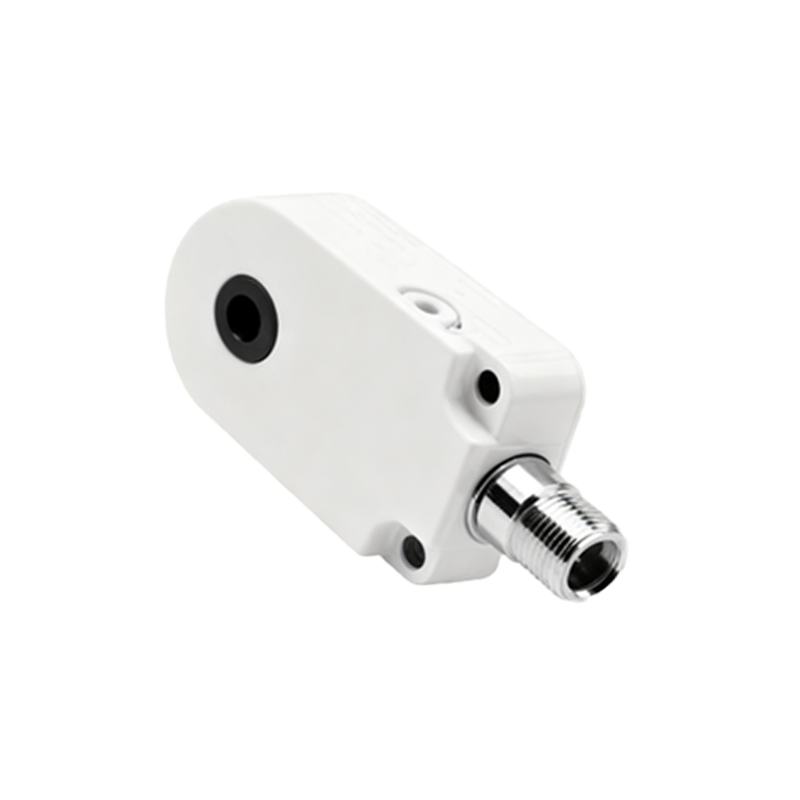
Technical Feasibility of Proximity Sensors in Watches
From an engineering perspective, incorporating a proximity sensor into a watch is technically feasible. Most smartwatches already include sensors like accelerometers and heart rate monitors, so adding a proximity sensor requires minimal space and power. The sensor can be embedded near the watch display, using infrared LEDs and photodetectors to detect hand movements. For instance, when a user raises their wrist to check the time, the proximity sensor triggers the screen to turn on, eliminating the need for manual button presses. However, design considerations such as sensor placement, calibration, and interference from ambient light must be addressed to ensure accuracy and reliability in diverse environments.
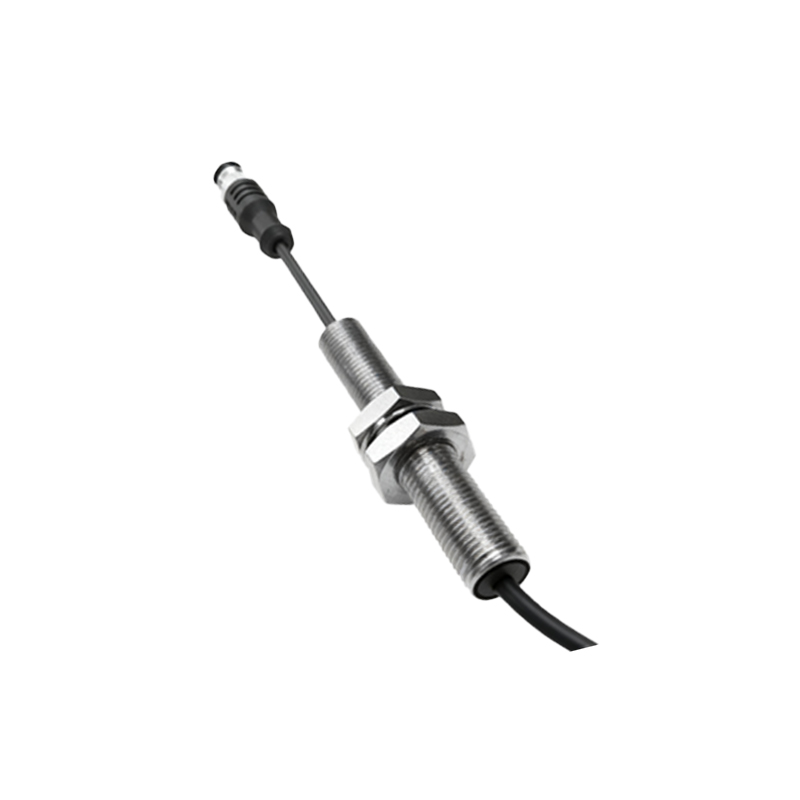
Benefits of Proximity Sensors for Watch Functionality
Integrating proximity sensors into watches offers several advantages. First, it enhances power management by automatically dimming or turning off the display when the watch is not in use, such as when covered by clothing or placed on a table. This reduces energy consumption and prolongs battery life, a critical factor for wearable devices. Second, it improves user convenience through gesture-based controls, allowing users to interact with the watch without touching the screen, which is useful during activities like exercising or cooking. Additionally, proximity sensors can enable safety features, such as detecting when the watch is removed and triggering security locks to protect personal data.
Challenges and Limitations in Implementation
Despite the benefits, there are challenges in implementing proximity sensors in watches. One major issue is false triggering due to environmental factors, such as reflections from shiny surfaces or interference from other electronic devices. Engineers must develop robust algorithms to filter out noise and ensure consistent performance. Another limitation is the increased cost and complexity of manufacturing, as adding sensors requires additional components and assembly steps. Moreover, the small form factor of watches restricts sensor size, potentially affecting detection range and sensitivity. Addressing these challenges requires careful design, testing, and optimization to balance functionality with practicality.
Industry Applications and Future Trends
In the electrical industry, proximity sensors in watches are not just for consumer electronics; they have applications in healthcare, sports, and industrial settings. For example, in medical wearables, proximity sensors can monitor patient movements or detect falls, enhancing safety and data collection. In sports watches, they can enable gesture-based controls for tracking activities without interrupting workouts. Looking ahead, advancements in sensor technology, such as miniaturization and improved energy efficiency, will drive further integration. Future watches may incorporate multi-sensor systems combining proximity detection with other sensors like gyroscopes or environmental monitors, offering richer user experiences and new functionalities.
Conclusion on Watch Proximity Sensor Integration
In summary, watches can effectively utilize proximity sensors to enhance functionality, power efficiency, and user interaction. While technical hurdles exist, ongoing innovations in electrical engineering are making it increasingly viable to embed these sensors in compact wearable devices. As the industry evolves, proximity sensors will likely become standard features in smartwatches, contributing to more intuitive and energy-efficient designs. Engineers must continue to refine sensor technologies and address implementation challenges to unlock their full potential in the wearable market.