Introduction to Proximity Sensing
Proximity sensors are indispensable components in the automation and control landscape. These non-contact devices detect the presence or absence of an object within a defined sensing range without any physical contact. Utilizing various technologies such as inductive, capacitive, ultrasonic, and photoelectric principles, they provide reliable and rapid feedback to control systems. Their robustness, longevity, and immunity to environmental factors like dust, oil, and moisture make them ideal for harsh industrial settings. From simple object detection to complex positioning tasks, proximity sensors form the silent, intelligent backbone of countless automated processes, enhancing efficiency, safety, and precision across diverse sectors.
1. Object Detection and Counting on Conveyors
One of the most fundamental and widespread applications is on assembly lines and packaging conveyors. Inductive proximity sensors are commonly used to detect metallic parts, while capacitive or photoelectric sensors handle non-metallic materials like plastic, wood, or glass bottles. They trigger counting mechanisms, verify the presence of components for subsequent operations, or ensure proper spacing between items. This continuous monitoring prevents jams, enables accurate production tallies, and ensures smooth material flow, which is critical for Just-In-Time manufacturing and inventory management.
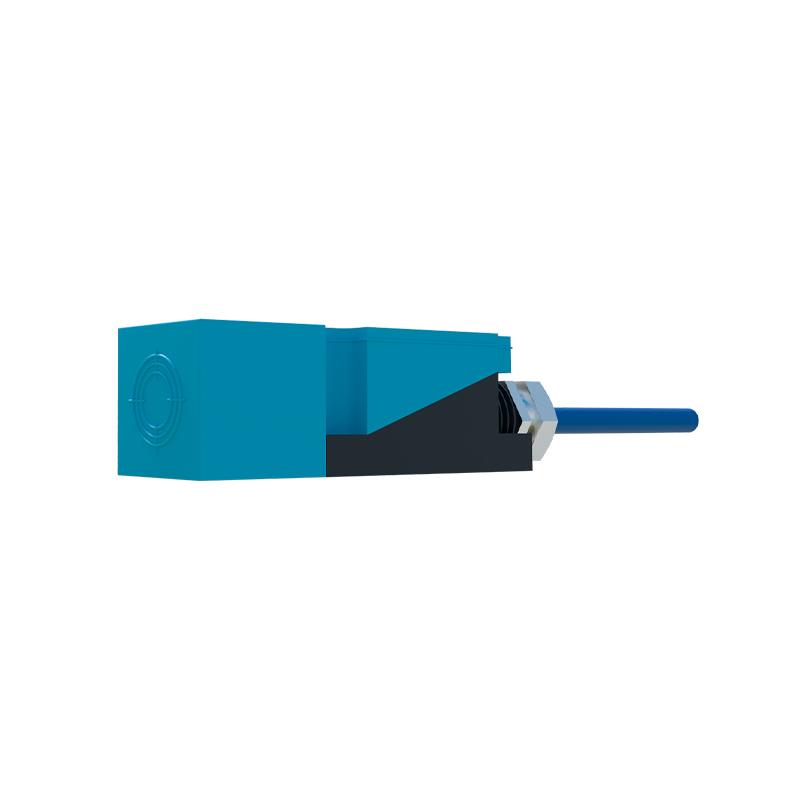
2. Machine Safety and Guarding
Safety is paramount in any industrial facility. Proximity sensors are integral to safety light curtains and interlock systems on machine guards, robotic cells, and press brakes. These sensors create an invisible protective field. If an operator's hand or any object breaches this field while dangerous machinery is in motion, the sensor sends an immediate signal to halt the machine. This non-contact safety solution provides a high level of protection without impeding operational visibility or accessibility during safe conditions, significantly reducing workplace accidents.
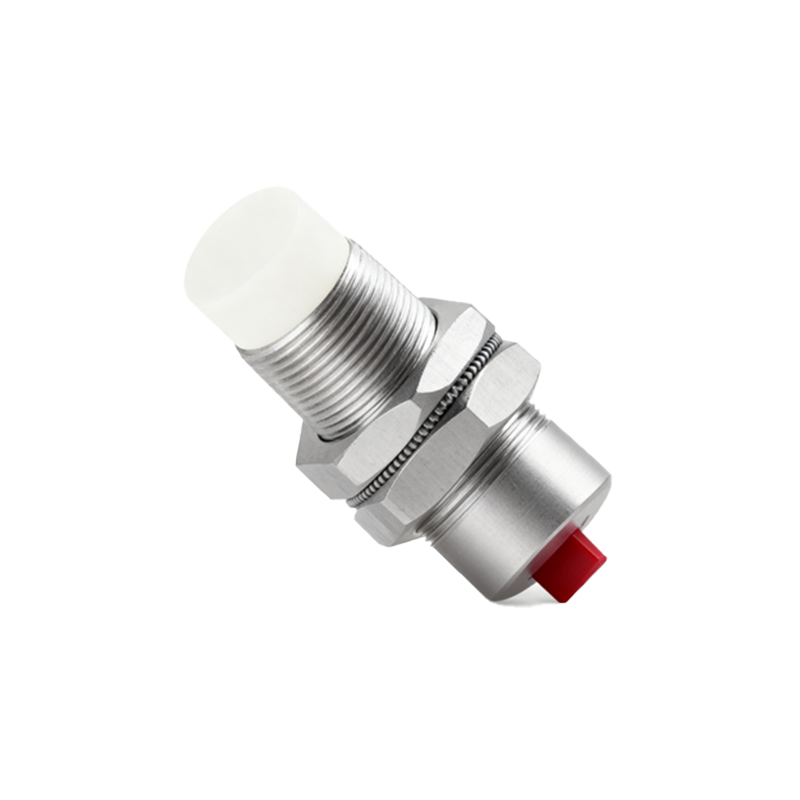
3. Precision Position Sensing and Feedback
In high-precision manufacturing, such as CNC machining or robotic arm control, knowing the exact position of a component is crucial. Proximity sensors act as limit switches or reference point detectors. They provide precise feedback on the position of slides, cylinders, or tool heads. For instance, in hydraulic or pneumatic systems, sensors confirm when a piston has fully extended or retracted. This feedback ensures repeatable accuracy in processes like drilling, welding, or assembly, directly impacting product quality and reducing waste from misaligned operations.
4. Liquid Level Control in Tanks
Capacitive and ultrasonic proximity sensors excel in liquid level detection. Mounted on the exterior of a tank or inside a sight glass, they can detect the presence of liquids—whether water, oil, chemicals, or granular materials—without direct contact. They are used to trigger alarms for high or low levels, control pumps to fill or drain tanks automatically, and prevent overflows or run-dry conditions. This application is vital in water treatment plants, chemical processing, food and beverage production, and fuel management systems.
5. Anti-Collision Systems for Cranes and AGVs
In material handling, Automated Guided Vehicles (AGVs) and overhead cranes use proximity sensors for navigation and collision avoidance. Ultrasonic or laser sensors scan the path ahead, detecting obstacles, other vehicles, or personnel. This information allows the vehicle's control system to slow down, stop, or reroute, preventing accidents and damage to goods and infrastructure. Similarly, sensors prevent cranes from colliding with each other or with the ends of their tracks, ensuring safe and efficient movement in warehouses and shipping yards.
6. Robotic End-Effector Tooling
Modern robotic grippers and tools often incorporate miniature proximity sensors. These sensors confirm whether a part has been successfully picked up or released. They can also detect the correct orientation of a component before placement. This verification step is essential in complex robotic assembly lines, such as in automotive or electronics manufacturing, where a single missed pick could halt an entire production cell. It enhances reliability and reduces downtime for error correction.
7. Speed and RPM Monitoring
Proximity sensors are key to monitoring rotational speed. By facing a gear tooth, a key on a shaft, or a dedicated metal flag, the sensor generates a pulse with each pass. This pulse train is sent to a tachometer or a PLC, which calculates the Revolutions Per Minute (RPM). This application is critical for monitoring motor speeds, conveyor belt velocities, and turbine operation. It allows for speed control, detection of overspeed or underspeed conditions, and predictive maintenance by identifying unusual vibrations or slippage.
8. Metal Detection and Sorting
In recycling facilities and food processing plants, differentiating between metallic and non-metallic objects is essential. Inductive proximity sensors can detect ferrous and non-ferrous metals on