Introduction to Inductive Proximity Sensors
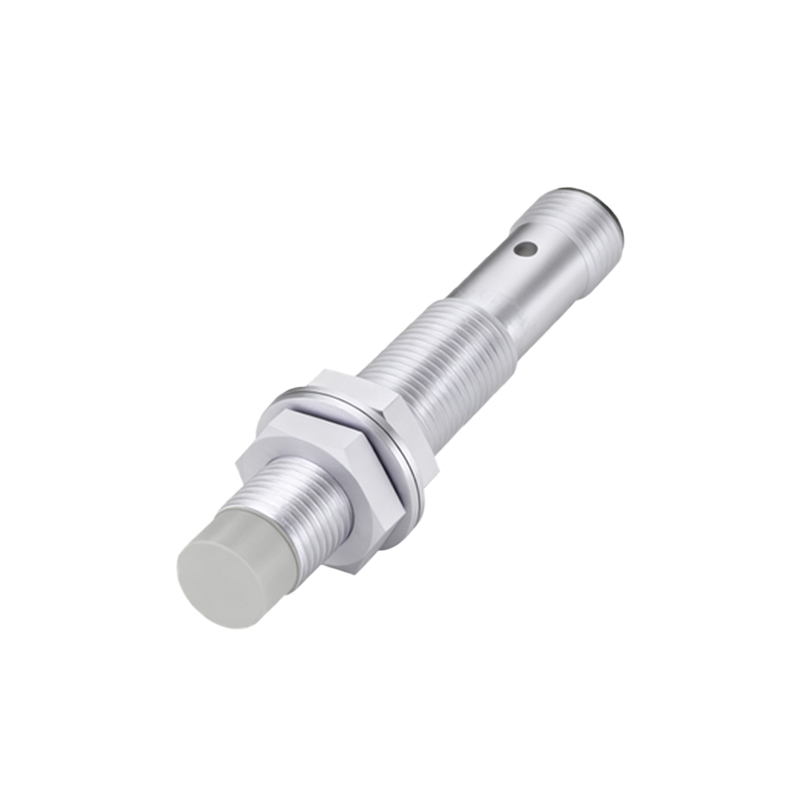
Inductive proximity sensors are non-contact electronic devices that detect the presence of metallic objects without physical contact. Operating on the principle of electromagnetic induction, these sensors generate an oscillating electromagnetic field. When a metallic target enters this field, eddy currents are induced in the object, causing a change in the sensor's oscillation amplitude. This alteration is detected by the internal circuitry, triggering an output signal. Known for their robustness, reliability, and high switching frequency, inductive sensors are integral to automation and control systems. They are immune to environmental factors like dust, oil, and moisture, making them suitable for harsh industrial environments. Their ability to perform precise detection tasks ensures enhanced operational efficiency and safety across various sectors.
Automated Manufacturing and Assembly Lines
In automated manufacturing, inductive proximity sensors play a critical role in monitoring and controlling production processes. They are commonly used for position detection of machine parts, such as verifying the presence of metal components on conveyor belts. For instance, in automotive assembly lines, sensors detect engine blocks or chassis positions, ensuring accurate alignment for robotic welding or painting. They also facilitate part counting and sorting by identifying metallic items, which helps in inventory management and quality control. The high-speed response of these sensors allows for real-time adjustments, minimizing downtime and preventing jams. By enabling seamless automation, they contribute to increased productivity and reduced labor costs in factories worldwide.
Material Handling and Logistics Systems
Material handling systems rely heavily on inductive proximity sensors for efficient operation. In warehouses and distribution centers, these sensors detect metal pallets or containers on automated guided vehicles (AGVs) and conveyor systems. They ensure proper positioning for loading and unloading, preventing collisions and optimizing workflow. For example, sensors can signal when a metal crate reaches a designated point, triggering a robotic arm to transfer it. In packaging lines, they verify the presence of metal lids or seals, ensuring product integrity. Their durability withstands vibrations and impacts, making them ideal for high-traffic logistics environments. By enhancing accuracy and speed, these sensors support just-in-time delivery and supply chain efficiency.
Robotics and Industrial Automation
Robotics applications benefit significantly from inductive proximity sensors, which provide precise feedback for motion control and object detection. In robotic arms, sensors detect the proximity of metal tools or workpieces, enabling accurate gripping and placement. They are used for end-of-arm tooling to confirm that a part is correctly positioned before processing. Collaborative robots (cobots) utilize these sensors for safety, detecting human presence near metal barriers to prevent accidents. Additionally, in CNC machines, sensors monitor tool wear by detecting metal shavings or broken bits, ensuring machining quality. The non-contact nature eliminates mechanical wear, extending equipment lifespan and reducing maintenance needs in automated cells.
Safety and Monitoring in Hazardous Environments
Inductive proximity sensors enhance safety in hazardous industrial settings by monitoring critical parameters without direct exposure. In mining and construction, they detect the position of metal machinery, such as excavator buckets, to prevent overloading or collisions. For oil and gas pipelines, sensors monitor valve positions, ensuring proper flow control and leak prevention. In explosive atmospheres, intrinsically safe versions are employed to avoid spark risks. They also serve in elevator systems, detecting door closure and car alignment to prevent accidents. By providing reliable, real-time data, these sensors help mitigate risks, comply with safety regulations, and protect both personnel and assets from potential dangers.
Future Trends and Innovations
The future of inductive proximity sensors is shaped by advancements in IoT and Industry 4.0. Smart sensors with integrated connectivity, such as IO-Link, enable data exchange for predictive maintenance and system optimization. Miniaturization allows for installation in compact spaces, expanding applications in electronics and medical devices. Enhanced sensing ranges and improved immunity to non-ferrous metals broaden their usability. Research focuses on energy-efficient designs and hybrid sensors combining inductive with other technologies like capacitive sensing. As industries embrace digital transformation, these innovations will drive smarter, more adaptive automation solutions, further solidifying the role of inductive proximity sensors in modern engineering landscapes.