Laser distance sensor modules have become integral components in modern technology, offering precise and reliable measurement capabilities across various industries. These devices operate on the principle of time-of-flight or phase-shift measurement, where a laser beam is emitted toward a target, and the sensor calculates the distance based on the time it takes for the light to reflect back. This method ensures high accuracy, often within millimeter ranges, making laser sensors superior to traditional ultrasonic or infrared alternatives in many scenarios.
One of the primary functions of laser distance sensor modules is non-contact measurement. This feature is crucial in applications where physical contact could damage the target or sensor, such as in delicate manufacturing processes or when measuring hazardous materials. For instance, in automotive assembly lines, these sensors verify part dimensions and alignments without touching the components, reducing wear and improving efficiency. Similarly, in logistics and warehousing, laser modules automate inventory management by scanning package sizes and positions, enabling faster sorting and storage operations.
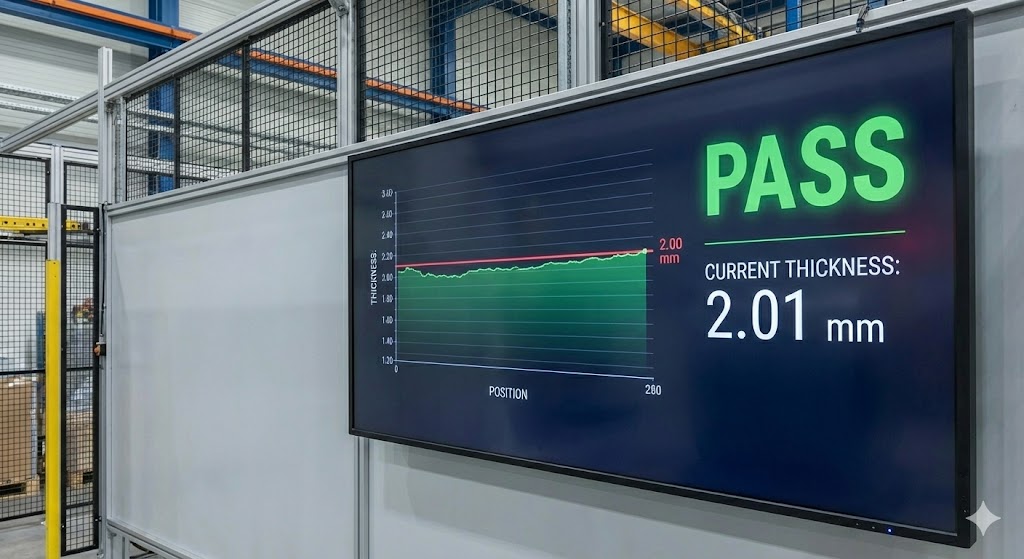
Another key role is in automation and robotics. Laser distance sensors provide real-time data for navigation and object detection, allowing robots to avoid obstacles and perform tasks like picking and placing items with precision. In industrial automation, they monitor conveyor belt speeds, control robotic arms, and ensure quality by detecting deviations in product dimensions. This enhances safety and productivity, as machines can operate autonomously with minimal human intervention.
Laser sensor modules also contribute significantly to construction and surveying. Professionals use them for measuring distances, heights, and volumes in building projects, reducing manual errors and saving time. For example, in interior design, these sensors help calculate room dimensions accurately, aiding in furniture placement and material estimation. In agriculture, they assist in monitoring crop growth and terrain mapping, supporting precision farming techniques that optimize resource use.
Moreover, these modules are essential in consumer electronics, such as smartphones and cameras, where they enable features like autofocus and augmented reality. By providing instant distance readings, they improve image quality and user experience. In healthcare, laser sensors are employed in medical devices for non-invasive diagnostics, such as monitoring patient movements or measuring body parts for prosthetics.
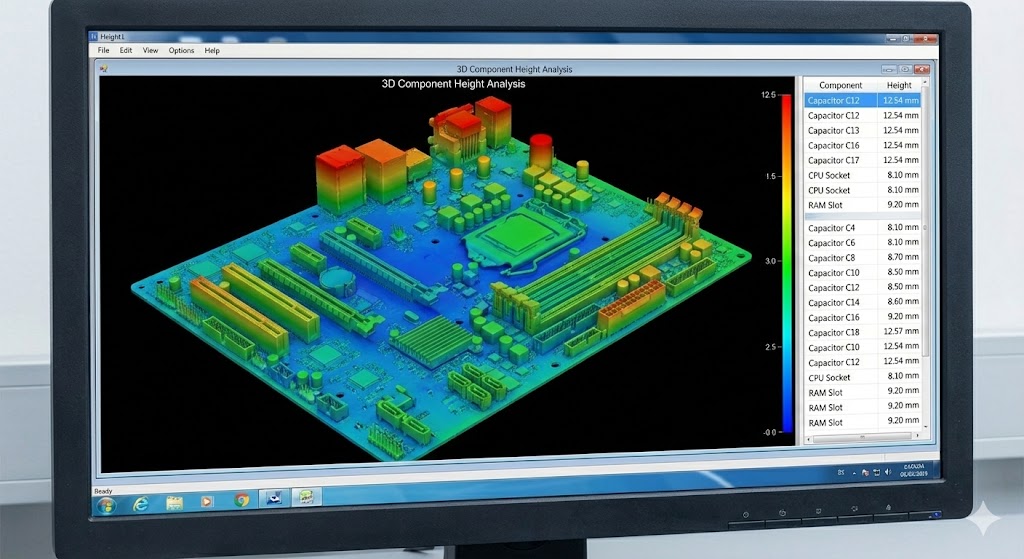
The versatility of laser distance sensor modules stems from their compact size, low power consumption, and adaptability to different environments. They can function in harsh conditions, including extreme temperatures or dusty areas, thanks to robust designs. As technology advances, these sensors are becoming more affordable and integrated into IoT systems, facilitating smart home applications like security systems and automated lighting.
In summary, laser distance sensor modules serve critical functions in measurement, automation, and safety across diverse fields. Their ability to deliver accurate, non-contact data drives innovation and efficiency, making them indispensable tools in today's tech-driven world. As industries continue to evolve, the demand for these sensors is expected to grow, paving the way for new applications and improvements in existing processes.