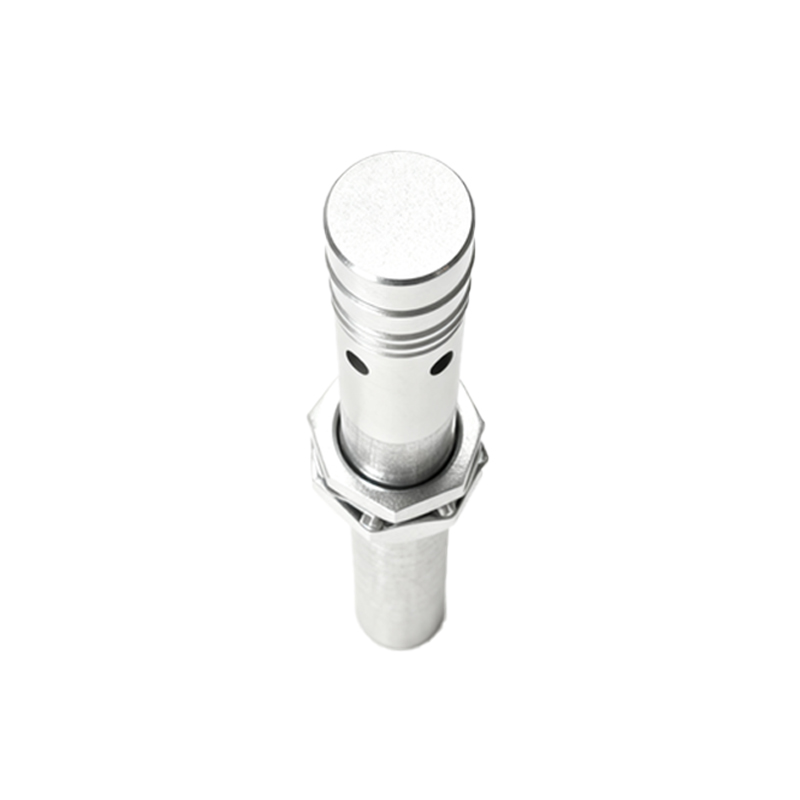
Proximity sensors are ubiquitous in modern technology, silently performing critical functions in smartphones, industrial machinery, vehicles, and smart home devices. But how do these compact devices accurately determine the presence or absence of an object without physical contact? The core principle lies in detecting changes in a field or wave emitted by the sensor itself. The specific method varies significantly depending on the underlying technology.
One of the most common types is the inductive proximity sensor. This sensor is designed to detect metallic objects, primarily ferrous metals like iron and steel. It contains a coil through which an alternating current is passed, generating an oscillating electromagnetic field around the sensor's face. When a conductive metal object enters this field, eddy currents are induced on the object's surface. These eddy currents draw energy from the sensor's coil, causing a change in the oscillation amplitude or frequency. The sensor's internal circuitry continuously monitors this oscillation. A detected change beyond a predefined threshold triggers the sensor's output switch, signaling the presence of the target. The sensing distance depends on the coil size, the object's material, and its size/shape.
For non-metallic objects, including liquids, plastics, wood, and glass, capacitive proximity sensors are often employed. They operate on a principle similar to a capacitor. The sensor's active surface acts as one plate of a capacitor, with the earth ground acting as the other. The sensor generates an electrostatic field. When any object with a dielectric constant different from air enters this field, it alters the capacitance of the system. The sensor's electronics measure this change in capacitance. Once the change reaches a set level, the output is activated. These sensors can even detect materials through thin non-metallic barriers, making them useful for liquid level detection in tanks.
Another prevalent technology, especially in consumer electronics, is the infrared (IR) or optical proximity sensor. It typically consists of an IR LED emitter and a photodiode or phototransistor receiver. The emitter constantly sends out a beam of infrared light. If no object is nearby, the light dissipates into space. When an object comes close, it reflects some of this infrared light back towards the receiver. The sensor measures the intensity of the reflected light. A stronger reflected signal indicates a closer object. Sophisticated versions use pulsed light and measure the time-of-flight (ToF) for the light pulse to return, allowing for precise distance measurement. This is the technology that turns off your smartphone screen during a call.
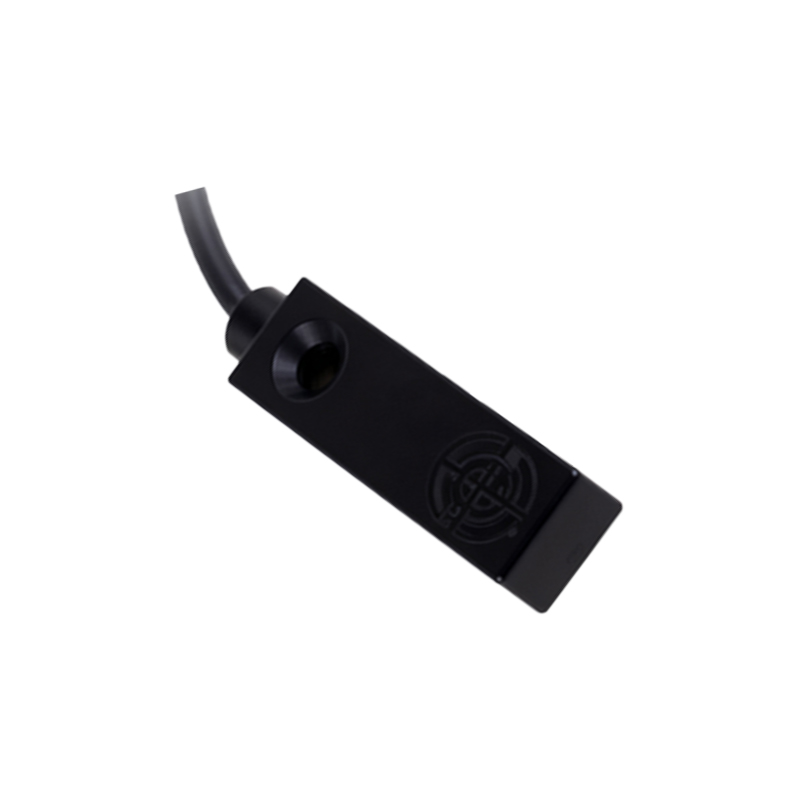
Ultrasonic sensors use sound waves beyond human hearing. They emit high-frequency sound pulses (typically 40-200 kHz) and then listen for the echo. A built-in timer measures the time interval between emitting the pulse and receiving the echo. Since the speed of sound in air is known, the distance to the object can be calculated precisely using the formula: Distance = (Speed of Sound × Time of Flight) / 2. These sensors are excellent for longer ranges and can detect objects regardless of color, transparency, or material, though they can be affected by temperature, humidity, and soft, sound-absorbing surfaces.
Magnetic proximity sensors, or reed switches, are simple and reliable. They detect the presence of a permanent magnet. The switch contains two thin, ferromagnetic reeds sealed in a glass tube. When a magnet approaches, the reeds become magnetized and attract each other, closing the electrical contact. When the magnet is removed, the reeds spring apart. They are commonly used in security systems to detect door/window openings.
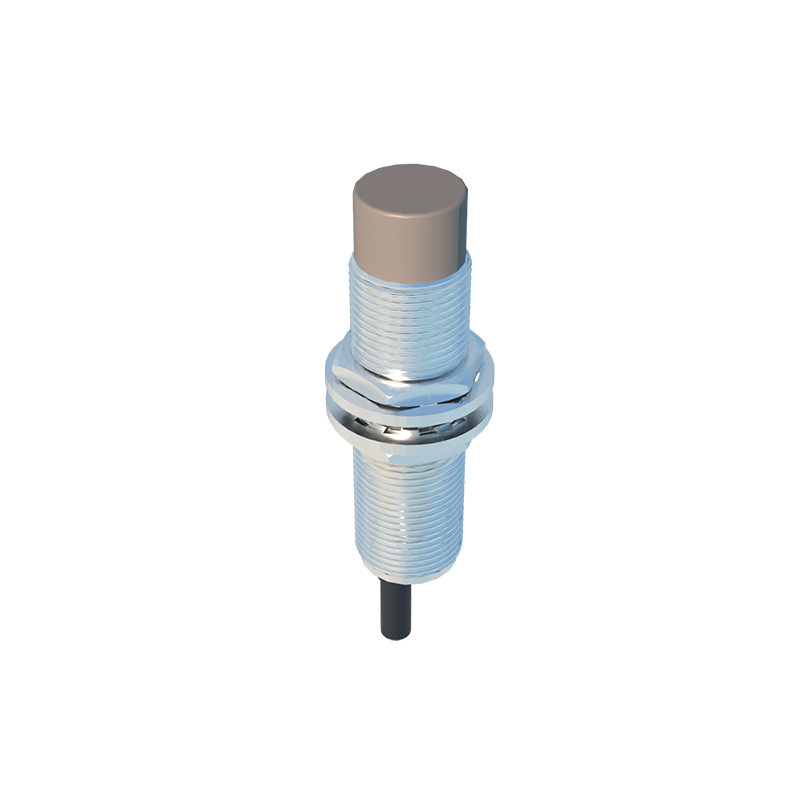
The judgment or "decision" made by the sensor is handled by its integrated electronics. This circuitry compares the received signal (change in inductance, capacitance, light intensity, or echo time) against a pre-configured sensitivity threshold. This threshold is often adjustable, allowing users to set the sensor to ignore background objects or to detect specific materials at precise distances. The output is then provided, usually as a simple digital on/off switch signal (PNP or NPN) or an analog signal (0-10V, 4-20mA) proportional to the distance.
Key factors influencing a sensor's judgment include the target material's properties, its size relative to the sensor, environmental conditions (like dust, moisture, or temperature), and electrical interference. Understanding these principles allows engineers to select the correct sensor type—inductive, capacitive, optical, ultrasonic, or magnetic—for a given application, ensuring reliable and accurate non-contact detection and measurement.