In today's technologically advanced world, laser sensors are ubiquitous. From the automatic doors at supermarkets and the barcode scanners at checkout counters to sophisticated industrial manufacturing robots and cutting-edge medical diagnostic equipment, these devices rely on laser technology to perform precise measurements and detections. Their prevalence naturally leads to a common and important question: Are laser sensors harmful to human health? This article aims to separate fact from fiction by examining the scientific principles behind laser sensors, the different classes of lasers used, and the established safety standards that govern their use.
First, it is crucial to understand what a laser is and how it differs from ordinary light. LASER stands for Light Amplification by Stimulated Emission of Radiation. Unlike the scattered, multi-wavelength light from a light bulb, laser light is coherent, monochromatic (a single color/wavelength), and highly directional. This focused beam allows for extreme precision, which is why it's ideal for sensors that need to measure distance, detect objects, or read encoded information.
The potential for harm from any laser device depends primarily on four factors: its wavelength, power output (measured in milliwatts or watts), the duration of exposure, and the area of the body exposed. To manage these risks, lasers are rigorously classified internationally into several safety classes (Class 1, 1M, 2, 2M, 3R, 3B, and 4). This classification system is fundamental to understanding risk.
The vast majority of laser sensors found in everyday consumer and commercial applications fall into Class 1 or Class 2. A Class 1 laser is considered safe under all conditions of normal use. This is because the laser is completely enclosed, and no harmful radiation is accessible during operation, or its power output is so low it poses no risk. The laser inside a CD/DVD player or a laser printer is a classic example. Class 2 lasers are low-power visible lasers (like those in some barcode scanners or laser pointers). The human blink reflex, which occurs within about 0.25 seconds, provides adequate protection against accidental brief exposure. Staring directly into the beam is not advised, but incidental exposure is not hazardous.
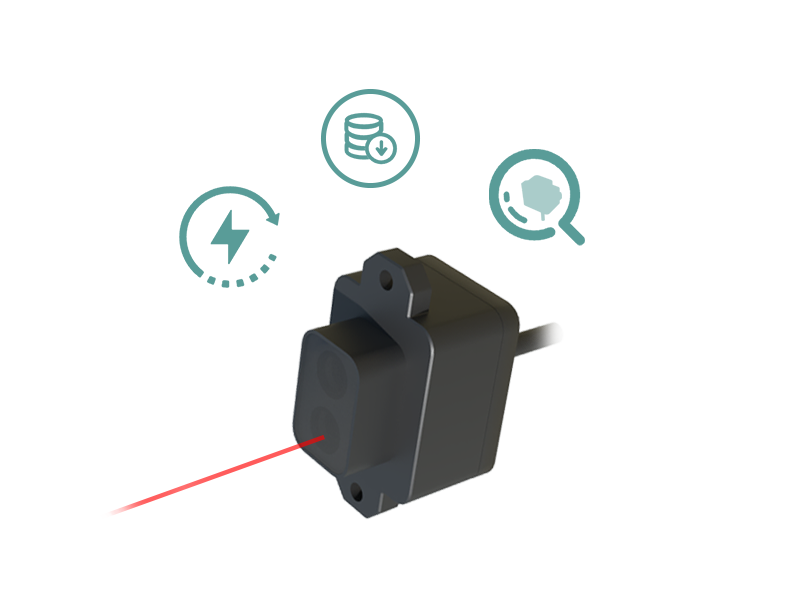
For industrial or scientific settings, you may encounter higher-class lasers. Class 3B lasers can cause immediate eye injury upon direct exposure, and Class 4 lasers can cause severe eye and skin injury and even ignite combustible materials. However, sensors using these higher-power lasers are always deployed with stringent engineering controls—such as full enclosures, interlock systems, and warning labels—effectively bringing the entire system down to a Class 1 safety level for operators. The dangerous laser beam is never accessible during normal operation.
So, what are the specific concerns? For consumer-grade laser sensors, the risks are minimal. The primary concern is always for the eyes. The eye's lens can focus a laser beam onto a tiny spot on the retina, potentially causing thermal burns or photochemical damage that could lead to temporary or permanent vision impairment. However, as established, Class 1 and 2 devices are designed to prevent this. Skin damage is generally only a concern with high-power Class 4 lasers, which are not used in open-beam sensor applications accessible to the public.
Another common myth is that laser sensors emit "radiation" in the same sense as X-rays or nuclear materials. This is incorrect. Lasers used in sensors typically operate in the visible or infrared spectrum. They are forms of non-ionizing radiation. Unlike ionizing radiation (X-rays, gamma rays), which has enough energy to knock electrons out of atoms and damage DNA, non-ionizing radiation from lasers does not have this capability. Its primary effect is thermal (heat).
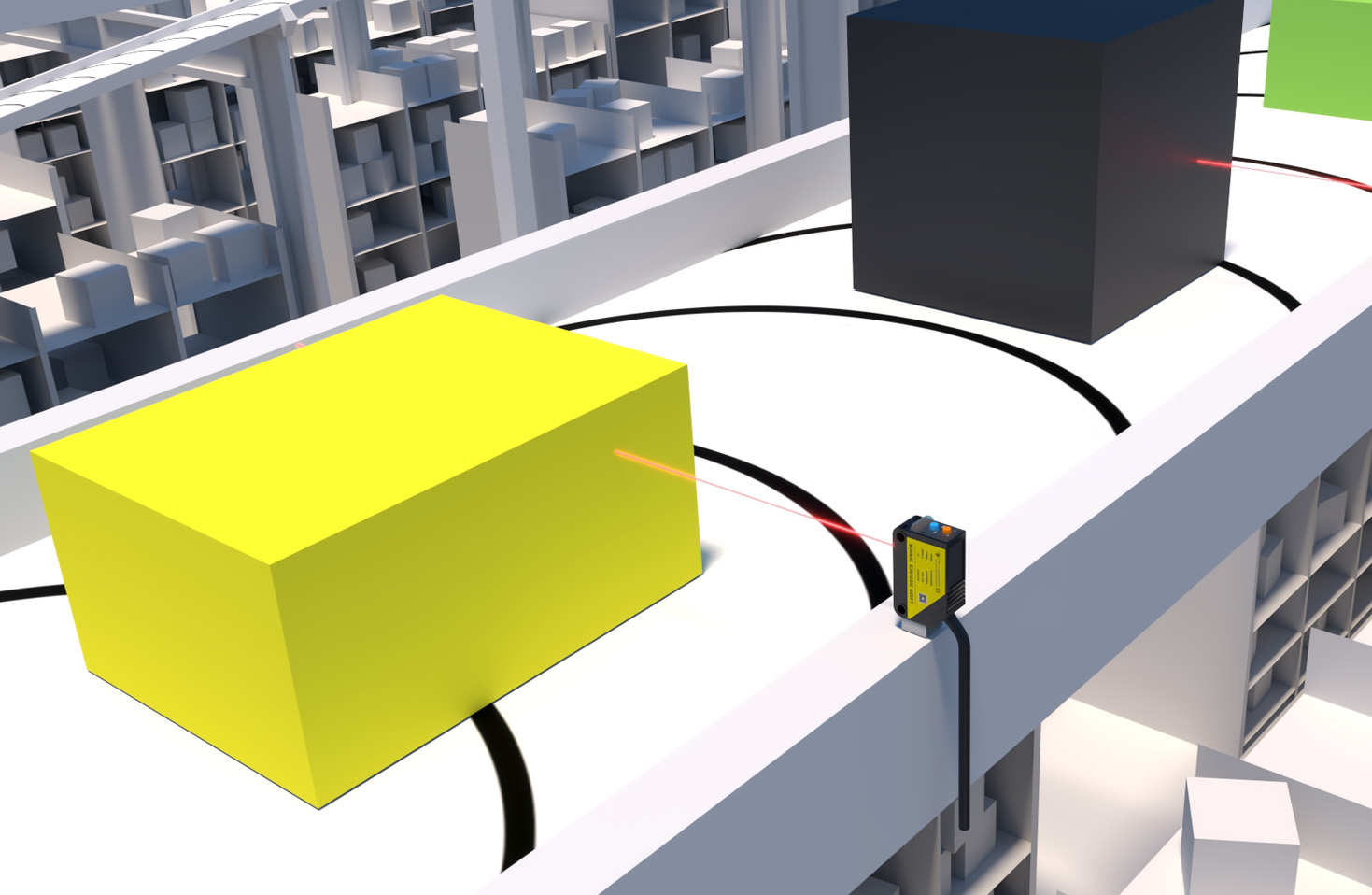
Regulatory bodies like the U.S. Food and Drug Administration (FDA) and the International Electrotechnical Commission (IEC) set and enforce strict standards for laser product safety. Manufacturers must comply with these standards, which include proper classification, labeling, and safety features. When you purchase a device with a laser sensor from a reputable company, it has already been evaluated for safe operation in its intended use.
In conclusion, laser sensors, when designed, classified, and used according to international safety standards, pose negligible risk to human health in everyday scenarios. The perception of danger often stems from conflating low-power, enclosed sensor systems with high-power industrial cutting lasers. The key is understanding the classification. For the average person interacting with automatic doors, checkout scanners, or smart home devices, the laser sensors inside are engineered to be inherently safe. As with any technology, prudent use—such as avoiding deliberate attempts to disassemble devices or stare into beams—is always recommended. The benefits of laser sensors in automation, safety, medicine, and convenience are immense, and they can be enjoyed with confidence based on solid engineering and scientific principles.