Laser sensors have become integral components across numerous industries, offering unparalleled precision and reliability. These devices utilize laser beams to detect, measure, or identify objects with exceptional accuracy. One of the primary advantages of laser sensors is their high precision. Unlike traditional sensors, they can measure distances, dimensions, or positions with micrometer-level accuracy, making them indispensable in manufacturing and quality control processes. For instance, in automotive assembly lines, laser sensors ensure components are aligned correctly, reducing errors and enhancing product consistency.
Another significant benefit is the non-contact nature of laser sensing. Since these sensors do not require physical interaction with the target object, they prevent wear and tear, minimizing maintenance needs and extending operational lifespan. This feature is particularly valuable in environments where contamination or damage must be avoided, such as in food processing or semiconductor fabrication. Additionally, laser sensors operate effectively in harsh conditions, including extreme temperatures, dust, or vibrations, where other sensors might fail. Their robustness ensures continuous performance in industrial settings like mining or construction.
Speed and efficiency further distinguish laser sensors. They provide rapid response times, enabling real-time data acquisition and processing. In logistics and automation, this capability allows for high-speed sorting and tracking of items, boosting productivity. Moreover, laser sensors offer versatility in applications, from simple object detection to complex 3D scanning and environmental monitoring. Advances in technology have also made them more compact and energy-efficient, facilitating integration into portable devices and IoT systems.
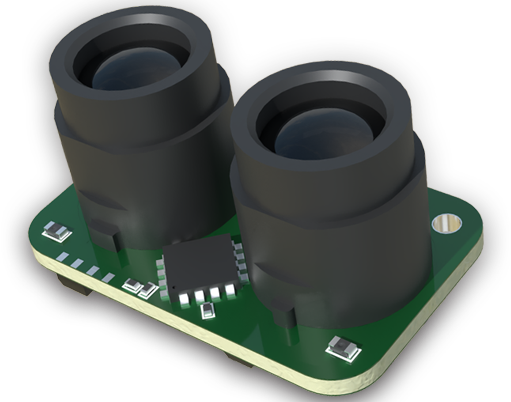
Despite higher initial costs compared to conventional sensors, the long-term benefits of laser sensors—such as reduced downtime, improved accuracy, and lower operational expenses—justify the investment. As industries evolve toward automation and smart technologies, the demand for laser sensors continues to grow, driven by their ability to enhance safety, efficiency, and innovation. In summary, laser sensors represent a critical tool for modern engineering, providing solutions that are precise, durable, and adaptable to diverse challenges.