In the realm of industrial automation, robotics, and smart systems, the demand for sensors that offer unwavering reliability over time is paramount. Traditional proximity sensors, while effective, often face a critical limitation: signal decay or performance degradation due to environmental factors, material buildup, or component aging. This is where the concept of non-decaying proximity sensors emerges as a transformative solution, promising consistent performance throughout their operational lifespan.
At its core, a non-decaying proximity sensor is designed to maintain its original sensing characteristics—such as sensitivity, range, and response time—without significant deterioration. This stands in contrast to conventional sensors where factors like dust accumulation on the lens of an optical sensor, corrosion on an inductive sensor's face, or drift in electronic components can lead to reduced detection range or false triggers. The pursuit of non-decaying performance is not about creating a single, magical technology, but rather an engineering philosophy applied across different sensing principles.
Several advanced technologies are paving the way for this paradigm. Self-compensating or self-monitoring sensors integrate diagnostic functions that can detect a decline in performance and automatically adjust parameters to compensate. For instance, a capacitive sensor might continuously monitor its own plate characteristics and recalibrate its baseline to account for contamination. Similarly, sensors employing Time-of-Flight (ToF) principles with advanced signal processing algorithms can filter out noise and environmental interference, effectively preserving their accuracy.
Another significant approach involves the use of robust materials and hermetic sealing. For harsh environments, sensors are being built with corrosion-resistant alloys, hardened faces, and superior sealing to prevent ingress of oils, coolants, or particulate matter. This physical resilience directly combats the primary causes of decay. Furthermore, the integration of IoT capabilities allows for predictive maintenance. These smart sensors can transmit data on their own health metrics, enabling system operators to address potential issues before they impact performance, thus sustaining an effective "non-decaying" state.
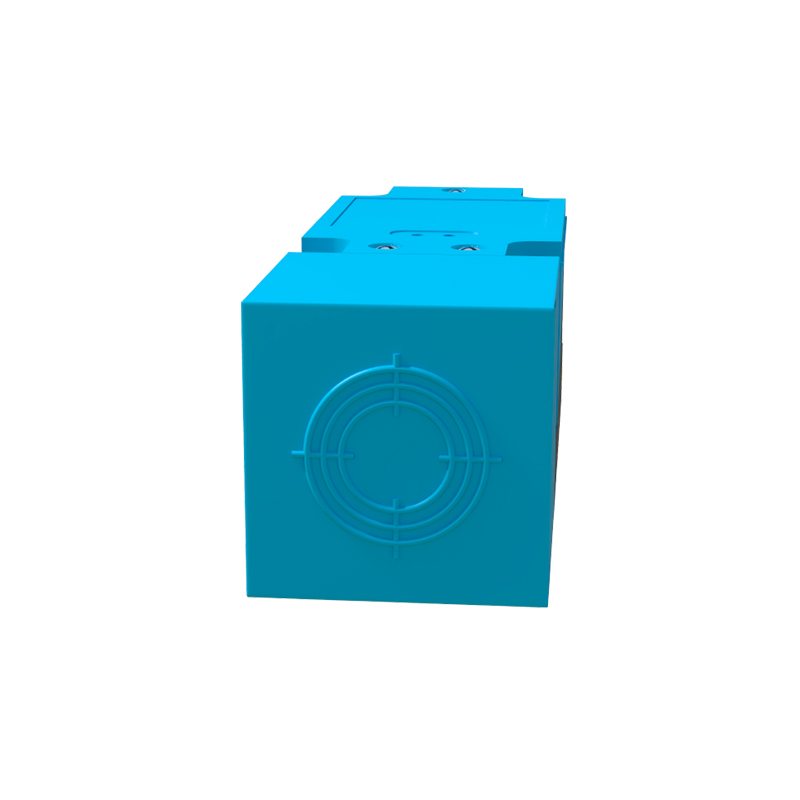
The applications for such reliable detection are vast and critical. In automated manufacturing lines, a non-decaying sensor ensures that a robotic arm always picks up a component at the exact correct position, year after year, minimizing downtime and product defects. In automotive assembly, they guarantee perfect weld point detection or door gap monitoring without recalibration. Within the framework of Industry 4.0, where consistent data integrity is crucial, these sensors provide the trustworthy input needed for digital twins and AI-driven process optimization.
Safety systems represent another domain where decay is unacceptable. In machinery guarding, a light curtain or safety laser scanner must perform flawlessly every time to prevent accidents. Non-decaying design principles here are not merely convenient but are a matter of functional safety compliance (e.g., SIL or PL ratings). Similarly, in aerospace and defense, sensors used for landing gear position or bay door status must offer absolute reliability under extreme conditions.
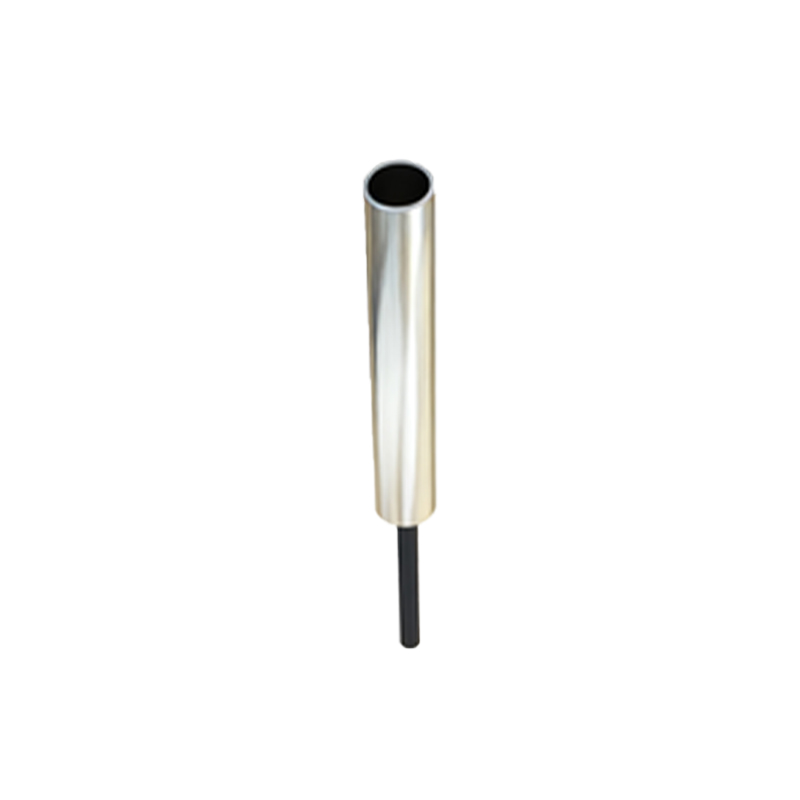
The economic argument is equally compelling. While the initial investment in a high-end, non-decaying proximity sensor may be higher, the Total Cost of Ownership (TCO) is often lower. This is achieved through drastically reduced maintenance costs, elimination of unscheduled production stops for sensor troubleshooting or replacement, and higher overall equipment effectiveness (OEE). The shift is from viewing sensors as consumable components to seeing them as permanent, reliable system assets.
Looking ahead, research in materials science, such as the use of graphene or other stable compounds, and advancements in solid-state electronics with minimal drift will further enhance non-decaying capabilities. The convergence of robust hardware with intelligent, self-learning software will define the next generation. The ultimate goal is a sensor whose performance curve is a flat line over its entire service life.
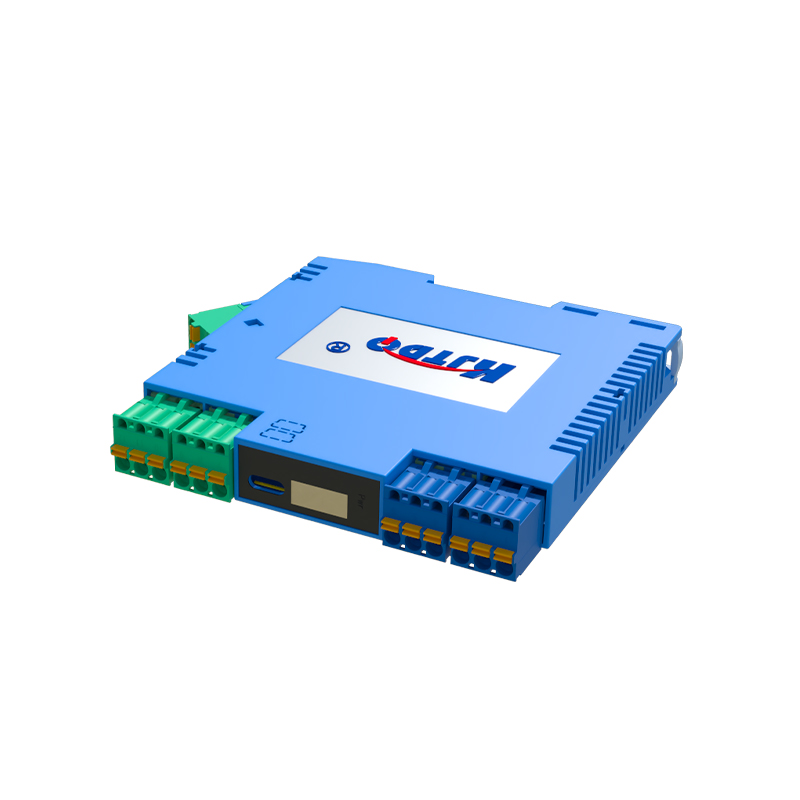
In conclusion, non-decaying proximity sensors represent a significant leap forward in sensing technology. They address the fundamental need for predictability and reliability in automated systems. By mitigating the effects of time and environment through smart design, advanced materials, and digital intelligence, they are becoming the cornerstone of resilient and efficient industrial operations, building a foundation for automation that people can truly depend on.