In today's rapidly evolving industrial landscape, the demand for reliable and adaptable sensing technology has never been greater. Modular proximity sensors stand at the forefront of this demand, offering a flexible and efficient solution for a wide array of automation applications. Unlike their fixed counterparts, these sensors are designed with interchangeability and scalability in mind, allowing engineers and system integrators to tailor sensing systems to specific operational needs without extensive redesign or custom engineering.
The core principle of a proximity sensor is to detect the presence or absence of an object within a defined range without physical contact. Modular variants elevate this functionality by featuring standardized mechanical and electrical interfaces. This means key components—such as the sensing head, amplifier, and housing—can be independently selected, replaced, or upgraded. For instance, a user might choose an inductive sensing head for metal detection in one scenario and swap it for a capacitive head for liquid level sensing in another, all while using the same amplifier module and mounting base. This modularity drastically reduces inventory costs, simplifies maintenance, and accelerates system deployment.
A significant advantage of modular proximity sensors is their contribution to system future-proofing. As production lines evolve or new materials are introduced, the sensing requirements often change. A modular system allows for quick on-site adjustments. If a detection range needs extension, one can simply replace the sensing head with a variant offering a longer range, rather than replacing the entire sensor unit and rewiring the system. This adaptability minimizes downtime and extends the lifecycle of the automation equipment.
The applications for these sensors are vast and varied. In automotive assembly, they ensure precise positioning of robotic arms and verify component placement. In packaging machinery, they detect product presence on conveyor belts, control filling levels, and monitor label application. The food and beverage industry benefits from their ability to operate in washdown environments, with models featuring stainless steel housings and sealed connectors. Furthermore, in complex material handling systems, modular sensors facilitate object counting, sorting, and edge detection with high repeatability.
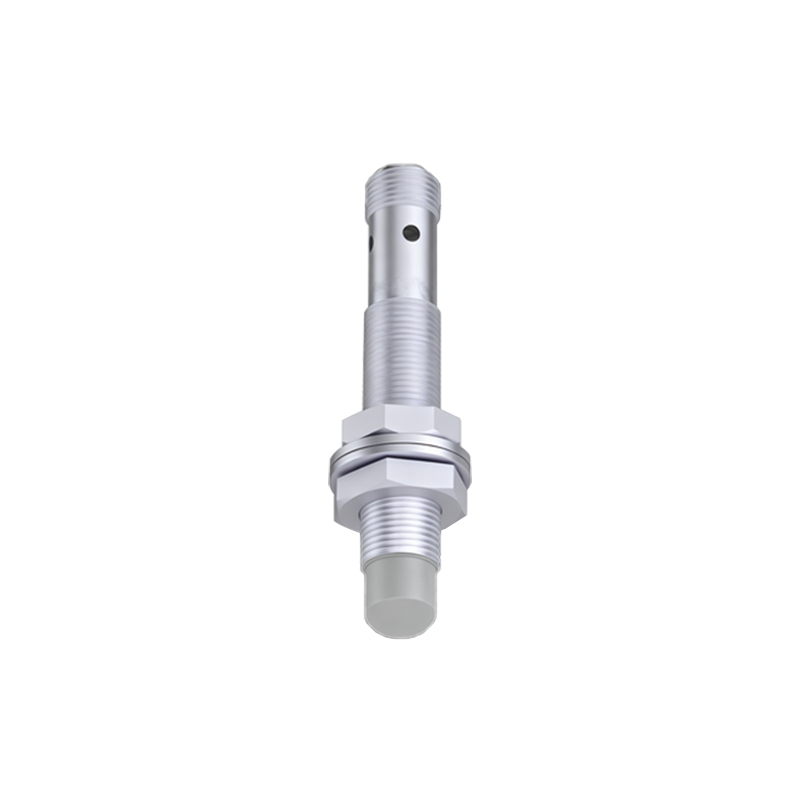
When selecting a modular proximity sensor, several technical parameters require careful consideration. Sensing range, often a few millimeters to several tens of millimeters, must be appropriate for the application to avoid false triggers. The output type—be it digital (PNP/NPN), analog (4-20mA, 0-10V), or IO-Link for smart communication—must align with the control system's input cards. Environmental factors are critical; sensors rated with high IP (Ingress Protection) codes (e.g., IP67, IP69K) are essential for dusty, humid, or high-pressure cleaning conditions. Operating temperature ranges and resistance to chemicals or vibrations also play a pivotal role in ensuring long-term reliability.
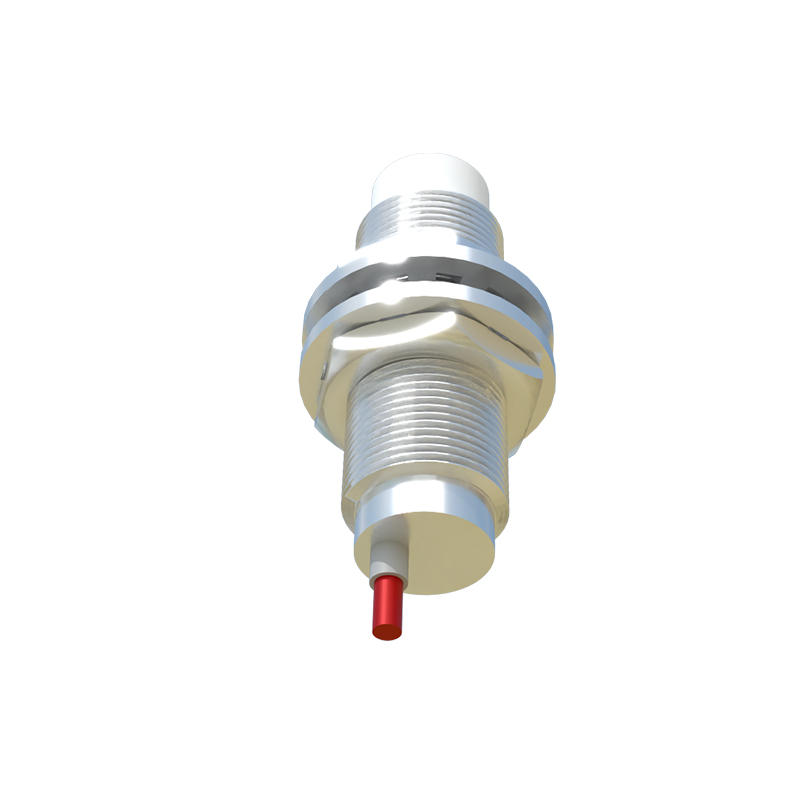
Installation and wiring are streamlined due to the modular design. Many systems utilize quick-disconnect connectors, enabling tool-less replacement of sensing heads. This feature is invaluable for maintenance teams, as it reduces mean time to repair (MTTR). Additionally, unified mounting brackets and standardized form factors (like cylindrical M8, M12, or M18 threads) ensure compatibility across different machine platforms, simplifying the integration process.
Looking ahead, the integration of Industry 4.0 principles is pushing modular proximity sensors toward greater intelligence. Sensors with IO-Link capability can transmit not just a simple on/off signal but also detailed diagnostic data, such as operating temperature, signal strength, and remaining operational life, to a central controller. This data enables predictive maintenance, where potential failures can be anticipated and addressed before they cause unplanned stoppages, thereby optimizing overall equipment effectiveness (OEE).
In conclusion, modular proximity sensors represent a paradigm shift in sensing technology. Their inherent flexibility, cost-effectiveness, and ease of integration make them indispensable tools for modern manufacturing and automation. By decoupling functionality from fixed form factors, they empower businesses to build more resilient, efficient, and adaptable systems, ready to meet the challenges of dynamic production environments. As automation continues to advance, the role of these versatile sensors will only become more central to operational success.