In modern industrial settings, the integration of automated machinery and collaborative robots (cobots) has revolutionized production lines, enhancing efficiency and precision. However, this advancement introduces significant safety challenges, particularly the risk of injury when human operators interact with or work near these powerful machines. This is where Human Hand Proximity Protection Sensors emerge as a critical technological safeguard. These sophisticated devices are designed to detect the presence of a human hand or limb within a predefined hazardous zone and trigger an immediate safety response, preventing contact and potential injury.
The core technology behind these sensors varies, offering different solutions for diverse applications. Capacitive sensing technology is widely used, creating an electromagnetic field around a machine or a specific area. The intrusion of a human hand, which has different dielectric properties than air, alters this field. The sensor detects this change with high sensitivity and can be calibrated to distinguish between a tool and a human body part. Another prevalent technology is laser scanner or light curtain systems. These create an invisible plane or curtain of infrared light beams. When a hand breaks this light barrier, the system sends a stop signal to the machine's controller. Ultrasonic sensors work by emitting high-frequency sound waves and measuring their reflection; the proximity of a hand changes the return signal's timing. More advanced systems employ safe camera systems or 3D time-of-flight sensors that can map an entire volume in real-time, allowing for complex zone definitions and even speed monitoring of the approaching object.
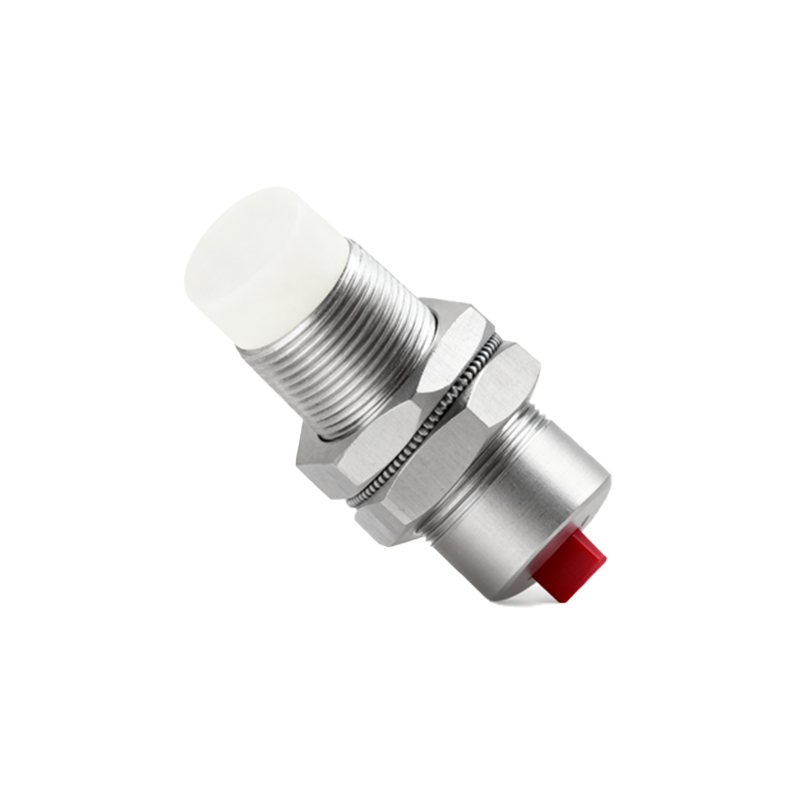
The implementation of hand proximity sensors is governed by stringent international safety standards, such as ISO 13855 (positioning of safeguards with respect to the approach speeds of parts of the human body) and IEC 61496 (safety of machinery - electro-sensitive protective equipment). These standards dictate performance levels (PL) and Safety Integrity Levels (SIL) that the sensors must achieve. A key feature of modern systems is their ability to enable safe reduced speeds. Instead of causing an abrupt and complete emergency stop, which can be disruptive to production, the sensor can signal the machine to slow down to a safe speed as a hand approaches, only initiating a full stop if the hand enters an immediate danger zone. This facilitates smoother human-robot collaboration.
The benefits of deploying these protection systems are substantial. Primarily, they drastically reduce the incidence of crush, cut, and entanglement injuries, protecting workers' well-being. This, in turn, minimizes downtime associated with accidents, lowers insurance costs, and avoids regulatory penalties. Furthermore, by enabling safer interaction, they unlock the full potential of collaborative applications where humans and machines work side-by-side, optimizing workflow and productivity. The sensors provide a flexible safety solution that can be tailored to complex machinery layouts where traditional physical guards are impractical.
Selecting the right proximity protection system requires careful analysis. Factors include the required detection range, the resolution needed (detecting fingers versus an entire arm), the response time, environmental conditions (resistance to dust, oil, electromagnetic interference), and the necessary safety performance level. Installation and configuration are equally crucial; sensors must be positioned correctly to eliminate blind spots, and their sensitivity must be set to avoid nuisance tripping from non-hazardous objects while remaining responsive to human intrusion. Regular testing and maintenance are mandated to ensure ongoing reliability.
In conclusion, Human Hand Proximity Protection Sensors are not merely optional safety accessories but fundamental components of responsible automation. They represent a proactive approach to industrial safety, creating an intelligent barrier that respects the necessity of human involvement in automated processes. As technology evolves, these sensors are becoming more intelligent, compact, and integrated, paving the way for even safer and more efficient factories of the future where human ingenuity and machine power collaborate without compromise.