In industrial settings where machinery operates under intense heat, standard sensors often fail. High temperature proximity sensors are specifically engineered to withstand these harsh conditions, providing reliable detection and measurement capabilities where others cannot. These specialized devices play a critical role in ensuring safety, efficiency, and continuity in processes ranging from metal casting to aerospace manufacturing.
The core challenge in high-temperature environments is material degradation. Conventional sensors using typical plastics, standard electronics, and common metals lose structural integrity and electrical properties when exposed to sustained heat. High temperature proximity sensors solve this through advanced material science. They incorporate housing and components made from ceramics, high-grade stainless steels like 316SS or Inconel, and specialized high-temperature cables with mineral insulation. These materials maintain their mechanical strength and insulating properties even when exposed to temperatures ranging from 200°C (392°F) to well over 1000°C (1832°F) for certain models, depending on the sensing technology and design.
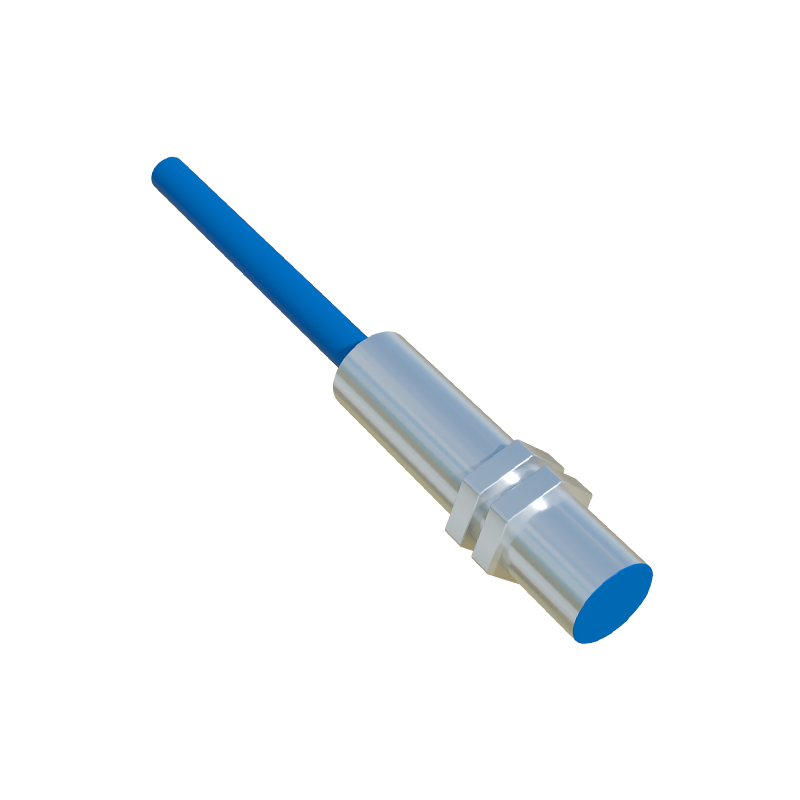
Several sensing technologies are adapted for high-heat applications. Inductive proximity sensors, used for detecting metallic objects, are built with temperature-resistant coils and cores. Capacitive sensors, for non-metallic materials, utilize stable dielectric materials. A critical advancement is the development of high-temperature eddy-current sensors, which can precisely measure the position, vibration, or thickness of a metal target in extreme heat by analyzing changes in a magnetic field. These are often used in gas turbine and jet engine monitoring. Another robust technology is the High Temperature Limit Switch (HTLS), a mechanical-contact device encased in a rugged shell, often used as a backup or in the most abrasive, high-heat scenarios.
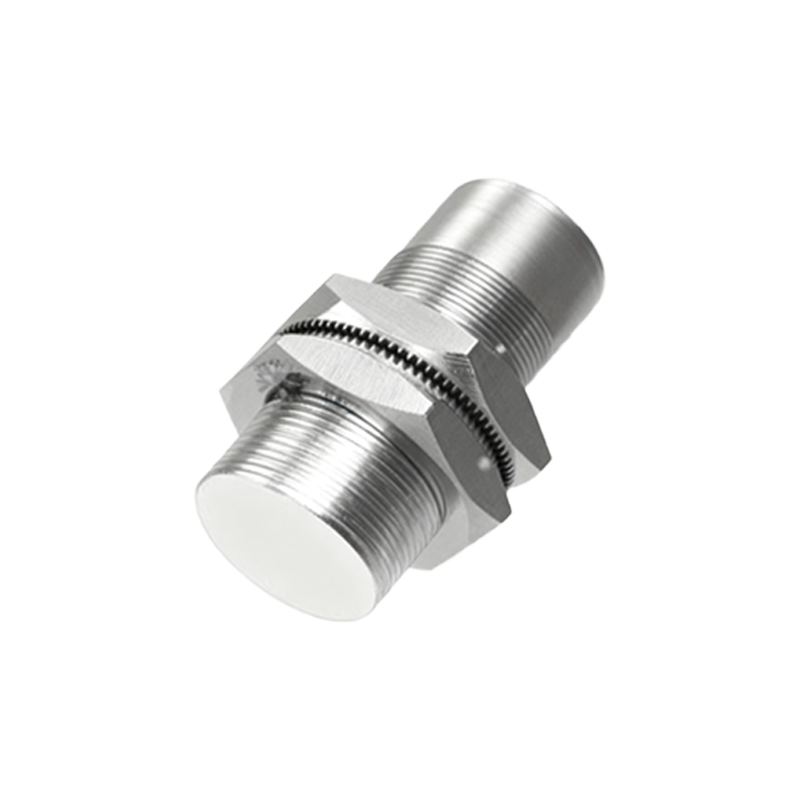
The applications for these robust sensors are vast and vital. In the metals industry, they monitor molten metal levels in furnaces, detect ingots in rolling mills, and control continuous casting processes. In glass manufacturing, they sense the position of molten glass and supervise annealing lehrs. The power generation sector relies on them in boilers, turbines, and incinerators. In automotive and aerospace, they are integral to testing engines and exhaust systems. Without these sensors, automated control and safety shutdown systems in these environments would be impossible, leading to increased downtime, catastrophic equipment failure, and severe safety hazards.
Selecting the right high-temperature proximity sensor requires careful analysis of the operating environment. Key specifications include the continuous ambient temperature rating and the maximum allowable temperature at the sensing face, which is often higher due to direct exposure to the heat source. The sensor's thermal stability, or its ability to maintain accuracy despite temperature fluctuations, is crucial. Other factors are the required sensing distance, target material, electrical output type (e.g., PNP/NPN analog, or switch), and the need for cooling accessories like air or water cooling jackets, which can extend a sensor's operational range by actively dissipating heat.
Installation and maintenance also require special consideration. Proper mounting is essential to minimize heat conduction along the sensor's body to its electronics. High-temperature cabling must be used and routed away from hot surfaces. Regular maintenance checks should focus on the integrity of the housing and cable insulation, as thermal cycling can cause cracking over time. Despite their ruggedness, these sensors are precision instruments and should be handled according to the manufacturer's guidelines to ensure longevity.
The future of high-temperature sensing continues to evolve. Research is focused on improving wireless communication from sensors in hot zones, integrating fiber-optic sensing principles for even higher temperature tolerance, and developing smarter sensors with embedded diagnostics that can predict their own failure. As industries push the boundaries of efficiency and operate at higher temperatures, the demand for more advanced, reliable, and intelligent high-temperature proximity sensors will only grow. They are not merely components but fundamental enablers of modern industrial innovation, allowing humans to measure and control processes in realms once considered too hostile for reliable automation.