In the fast-paced environment of warehouses, distribution centers, and manufacturing facilities, forklifts are indispensable workhorses. However, their power and utility come with inherent risks. Collisions with pedestrians, infrastructure, or other equipment can lead to serious injuries, costly damage, and operational downtime. This is where technology steps in as a critical ally. Forklift proximity sensors, often visualized through various technical diagrams and real-world installation photos, represent a cornerstone of modern industrial safety systems. Understanding these systems through imagery is not just about seeing a device; it's about comprehending a layered approach to hazard prevention.
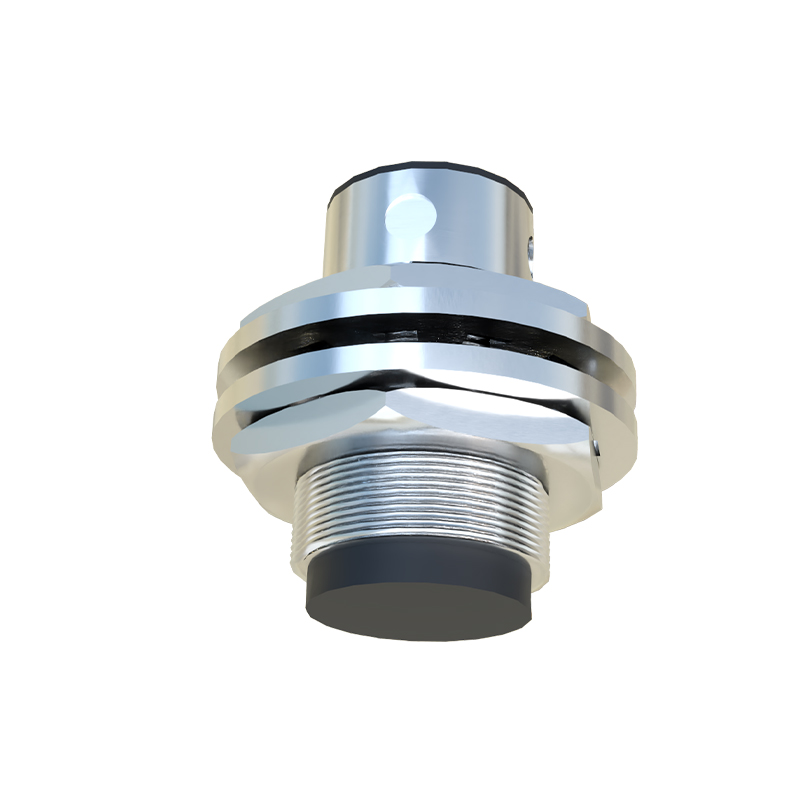
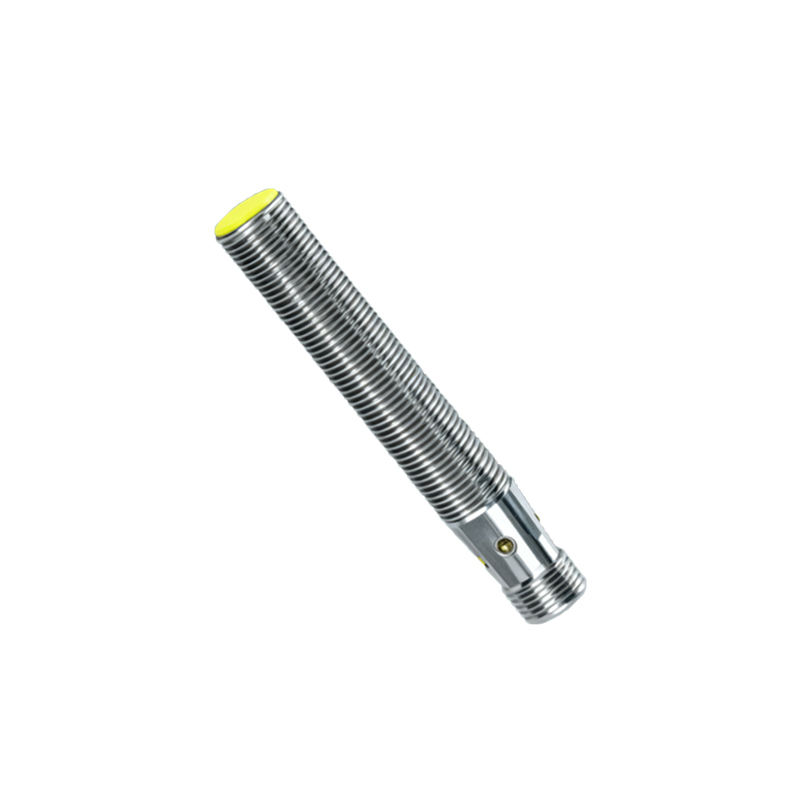
A glance at a typical forklift proximity sensor image reveals a compact, robust device, usually housed in a durable metal or high-impact plastic casing. These sensors are strategically mounted on the vehicle, commonly at the front, rear, and sometimes along the sides. The visual documentation often highlights key zones: the mast, the overhead guard, and the chassis. The placement is deliberate, creating an invisible detection field or "safety bubble" around the forklift. Technical cutaway images or schematics further deconstruct these sensors, showing internal components like ultrasonic transducers, electromagnetic coils, or laser emitters, depending on the technology used. These visuals demystify how the sensor generates its detection field.
The variety of sensor technologies is often distinguished in image galleries. Ultrasonic sensor photos might show disc-shaped units, emitting sound waves to detect objects. Radar-based sensors could appear as smaller, streamlined modules capable of detecting through certain obstructions like dust or light fog. Camera-based systems, part of more advanced forklift camera monitor systems, are easily identifiable as lens units, frequently paired with images of the in-cab display screen showing a live feed with overlays. Infrared and laser sensors present another visual category, often involving precise alignment guides in their installation photos. Each image type tells a story about the sensor's range, accuracy, and ideal application environment, from crowded aisles to outdoor yards.
Beyond the sensor unit itself, a comprehensive set of images showcases the complete ecosystem. This includes the control unit or interface module, typically mounted inside the operator's cabin. Pictures often show this as a small display or a set of indicator lights. Wiring diagrams are crucial visual aids for technicians, illustrating the connection paths between the sensors, the control unit, alarms, and the forklift's power system. Perhaps the most compelling images are those depicting the warning indicators in action: bright amber or red LED warning lights mounted on the forklift's exterior that flash when an object is detected, and/or the intense blue safety spotlights that project a visible zone on the floor ahead or behind the vehicle. These visuals emphasize the system's role in communicating danger to both the operator and nearby pedestrians.
The practical benefits are vividly communicated through comparative scenario images or infographics. A "before" scenario might illustrate the blind spots inherent in a standard forklift, often shaded in red on a diagram. The "after" scenario, with sensors installed, shows those blind spots covered by green detection arcs. Sequence images showing a pedestrian stepping into a detection zone, followed by the immediate activation of lights and an audible alarm, powerfully narrate the prevention of a potential accident. Furthermore, images of forklifts equipped with these systems maneuvering confidently in narrow aisles or high-traffic areas underscore the efficiency gains—operators can work faster and with greater confidence, knowing they have an electronic co-pilot.
For managers and safety officers, visual guides on installation and calibration are invaluable. Step-by-step photo tutorials show the mounting process, bracket adjustments, and the use of calibration tools to ensure the detection zone is accurately set. These images stress the importance of correct installation for optimal performance. Maintenance images might highlight how to clean sensor faces free of dirt and debris, a simple yet critical task shown in close-up photos.
In conclusion, forklift proximity sensor images serve as more than just technical illustrations; they are a visual language for safety and operational excellence. From detailed component close-ups to dynamic shots of the systems in operation, this imagery educates, informs, and persuades. It demonstrates a tangible commitment to creating a safer, more productive, and technologically advanced material handling environment. Investing in understanding these images is effectively an investment in understanding a proven path to reducing risk and enhancing workflow in any facility where forklifts are in motion.