In the world of precision measurement, small laser distance sensors represent a significant leap forward, offering high accuracy in a remarkably compact form factor. These devices, often no larger than a matchbox, utilize laser triangulation or time-of-flight principles to determine distance with sub-millimeter precision. Unlike their bulkier predecessors, modern miniaturized laser sensors are engineered for integration into tight spaces, making them indispensable in applications where size, weight, and power consumption are critical constraints.
The core technology behind these sensors is elegantly sophisticated. A laser diode emits a focused beam of light towards a target. The reflected light is then captured by a sensitive receiver, typically a position-sensitive device (PSD) or a CMOS sensor. By calculating the angle of the returned beam (triangulation) or the time it takes for the light pulse to return (time-of-flight), the sensor's internal processor computes the exact distance. Advances in laser diodes, optical components, and microprocessor efficiency have allowed this complex process to be housed in ever-smaller enclosures without sacrificing performance.
The applications for small laser distance sensors are vast and growing. In robotics and automation, they are crucial for obstacle detection, navigation, and precise positioning of robotic arms. Collaborative robots (cobots), which work alongside humans, rely heavily on these compact sensors for safe operation. In consumer electronics, they enable features like autofocus in smartphone cameras and gesture recognition. The logistics and warehousing sector uses them for dimensioning packages, palletizing, and inventory management with mobile scanners. Furthermore, they are finding roles in drones for altitude holding and landing assistance, in medical devices for non-contact monitoring, and even in smart home appliances for fluid level detection or user proximity sensing.
Selecting the right sensor requires careful consideration of several key parameters. Measurement range is primary; while small sensors typically cover shorter distances (from a few centimeters up to several meters), the exact range must match the application. Accuracy and repeatability are paramount for tasks like quality inspection. The response time or measurement frequency determines how quickly the sensor can update readings, which is vital for high-speed processes. Environmental factors like ambient light, target color, reflectivity, and material transparency can affect performance, so models with background suppression or specialized filters are often necessary. Finally, the output interface—whether analog voltage, current loop, or digital protocols like IO-Link or USB—must be compatible with the host system.
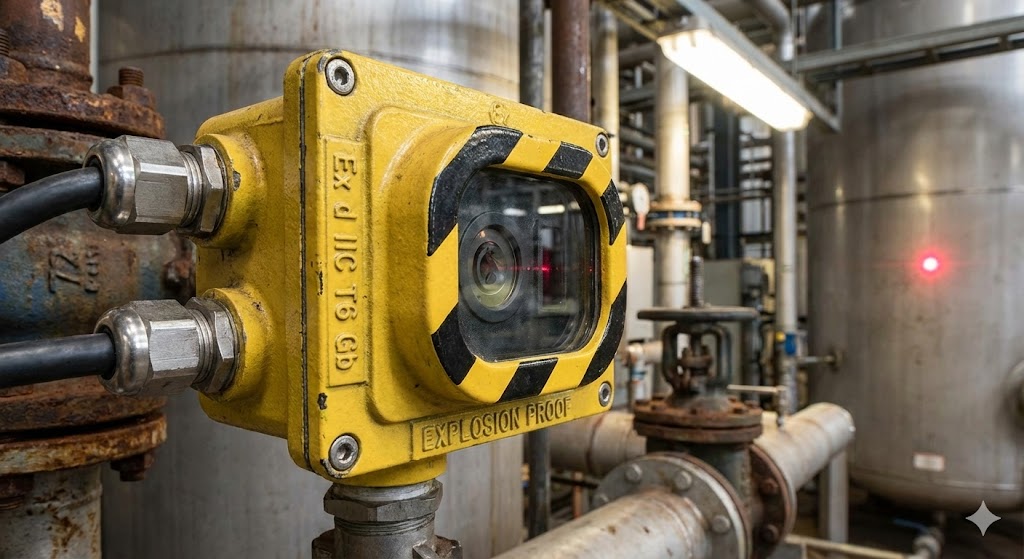
The benefits of miniaturization are clear. Small laser distance sensors consume less power, generate less heat, and are easier to install in complex machinery or on moving parts. Their lower weight reduces inertia in dynamic systems. This compactness does not inherently mean fragility; many industrial-grade models boast robust housings rated IP67 for resistance to dust and water ingress, ensuring reliability in harsh factory environments.
Looking ahead, the trend is toward even greater integration and intelligence. Future small laser sensors will likely incorporate more onboard processing for edge computing, allowing for direct data analysis and decision-making. Wireless connectivity and lower power consumption will further expand their use in IoT networks and battery-operated devices. As machine vision and AI capabilities advance, these sensors will evolve from simple distance-measuring tools into smart perception nodes, capable of recognizing object profiles and making contextual assessments.
In conclusion, small laser distance sensors are a transformative technology, packing powerful measurement capabilities into minimal space. They are the silent enablers of precision in countless modern systems, from the factory floor to the palm of your hand. Their continued evolution promises to unlock new levels of automation, efficiency, and functionality across virtually every industry, proving that sometimes, the most impactful tools come in the smallest packages.