In the world of industrial automation and smart devices, proximity sensors are the silent, unseen heroes. They detect the presence or absence of objects without physical contact, enabling countless automated processes. While technical datasheets provide specifications, proximity sensor videos offer an unparalleled, practical understanding of how these components function in real-world scenarios. This visual medium bridges the gap between theory and application, making complex technology accessible.
Watching a well-produced video demonstration reveals the immediate and precise nature of these sensors. You can see a capacitive sensor reliably detecting a liquid level through a glass container, or an inductive sensor triggering as a metal gear tooth passes by. The instantaneous response—often indicated by an LED—is clear and demonstrable. This visual proof is crucial for engineers and technicians who need to verify sensor operation before integration into a larger system. Videos effectively showcase key characteristics like sensing range, repeatability, and the influence of different target materials.
There are several primary types of proximity sensors, each with unique operating principles best understood through motion pictures. Inductive proximity sensors, for instance, generate an electromagnetic field to detect metallic objects. A video can illustrate how a ferrous metal like steel is detected at a greater distance than a non-ferrous metal like aluminum. Conversely, capacitive proximity sensors can detect both metallic and non-metallic materials, including plastics, wood, and liquids. A comparative video segment showing both types sensing different materials side-by-side is immensely educational. Photoelectric sensors, which use a beam of light, are another major category. Videos excel at showing their capabilities for longer ranges and detecting tiny objects, as well as contrasting the different modes: through-beam, retro-reflective, and diffuse.
The practical applications come to life through video content. In automotive assembly, clips show sensors ensuring a robot welder is in the correct position before operating. In packaging machinery, videos demonstrate sensors counting bottles on a high-speed conveyor belt. Consumer electronics provide relatable examples, such as a smartphone screen turning off when held to the ear during a call, powered by an infrared proximity sensor. Safety applications are particularly compelling; a video might show a magnetic proximity sensor on a safety door, immediately halting a machine if the door is opened. These real-life contexts help viewers immediately grasp the sensor's value and potential use cases.
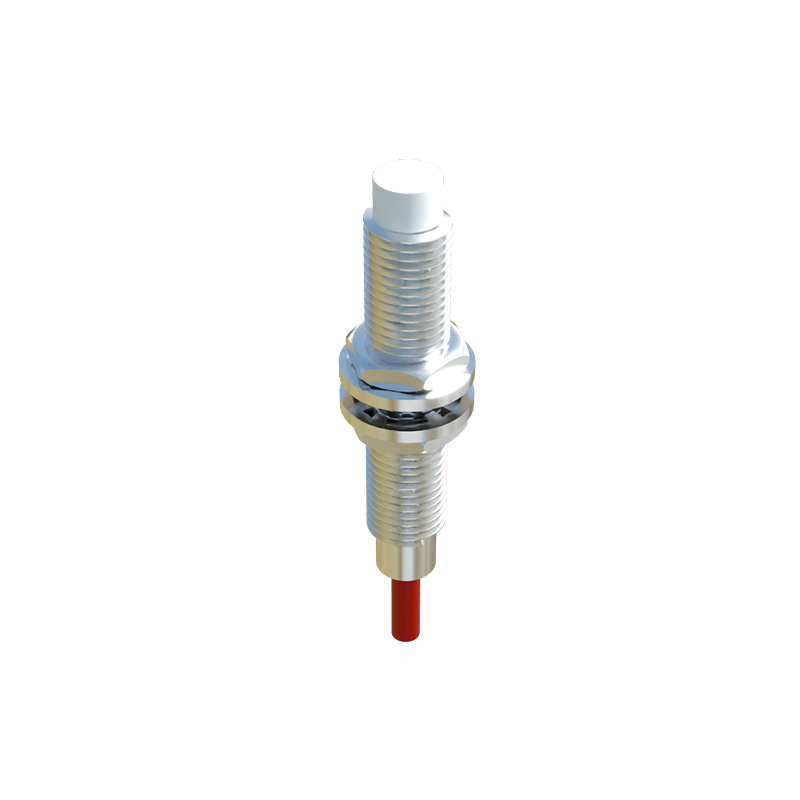
For those selecting a sensor, videos serve as a critical decision-making tool. They allow you to visually assess factors like housing style (cylindrical, rectangular), connection type (pre-wired, quick-disconnect), and output configuration (PNP/NPN, NO/NC). A video comparing the environmental robustness of different sensors—such as one with an IP67 rating being sprayed with water—provides assurance beyond a written specification. Furthermore, troubleshooting common issues is simplified. A visual guide can show the effects of sensor misalignment, electrical interference, or an incorrect target material, helping diagnose problems faster than a manual ever could.
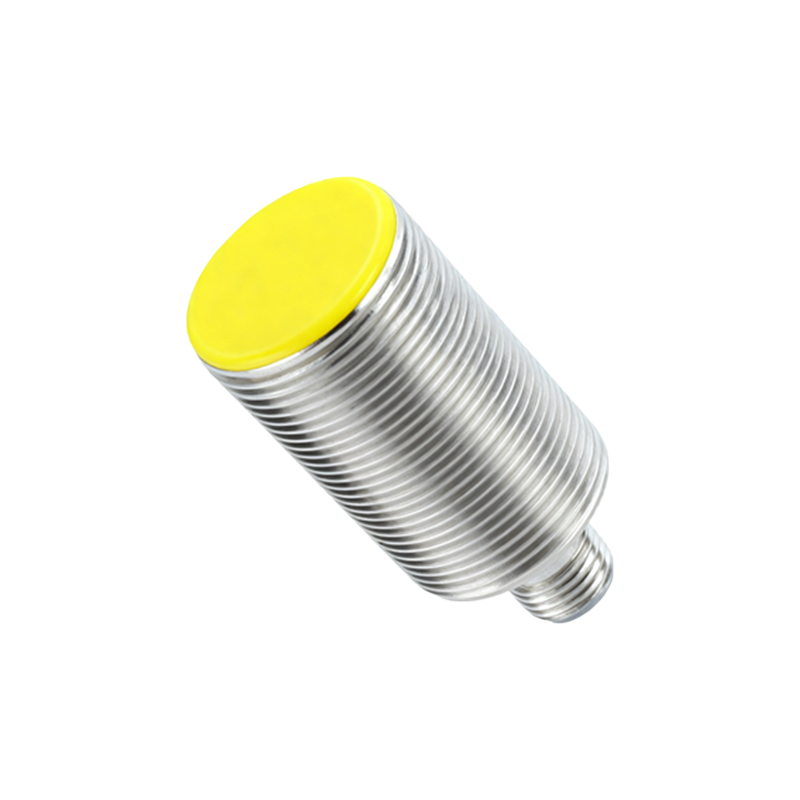
When searching for high-quality proximity sensor video resources, focus on content from reputable manufacturers, established distributors, and professional engineering channels. Look for videos with clear visuals, concise narration or text explanations, and practical demonstrations rather than purely animated simulations. Pay attention to the comments section for additional insights and questions from other viewers. Incorporating these visual resources into your research and training processes will deepen your technical knowledge and improve system design and maintenance outcomes.