In today's rapidly evolving industrial landscape, laser sensors have emerged as indispensable tools, offering unparalleled precision, speed, and reliability. These advanced devices utilize laser technology to measure distance, detect objects, and monitor processes with exceptional accuracy. Their applications span across numerous sectors, revolutionizing traditional methods and enabling new levels of automation and quality control.
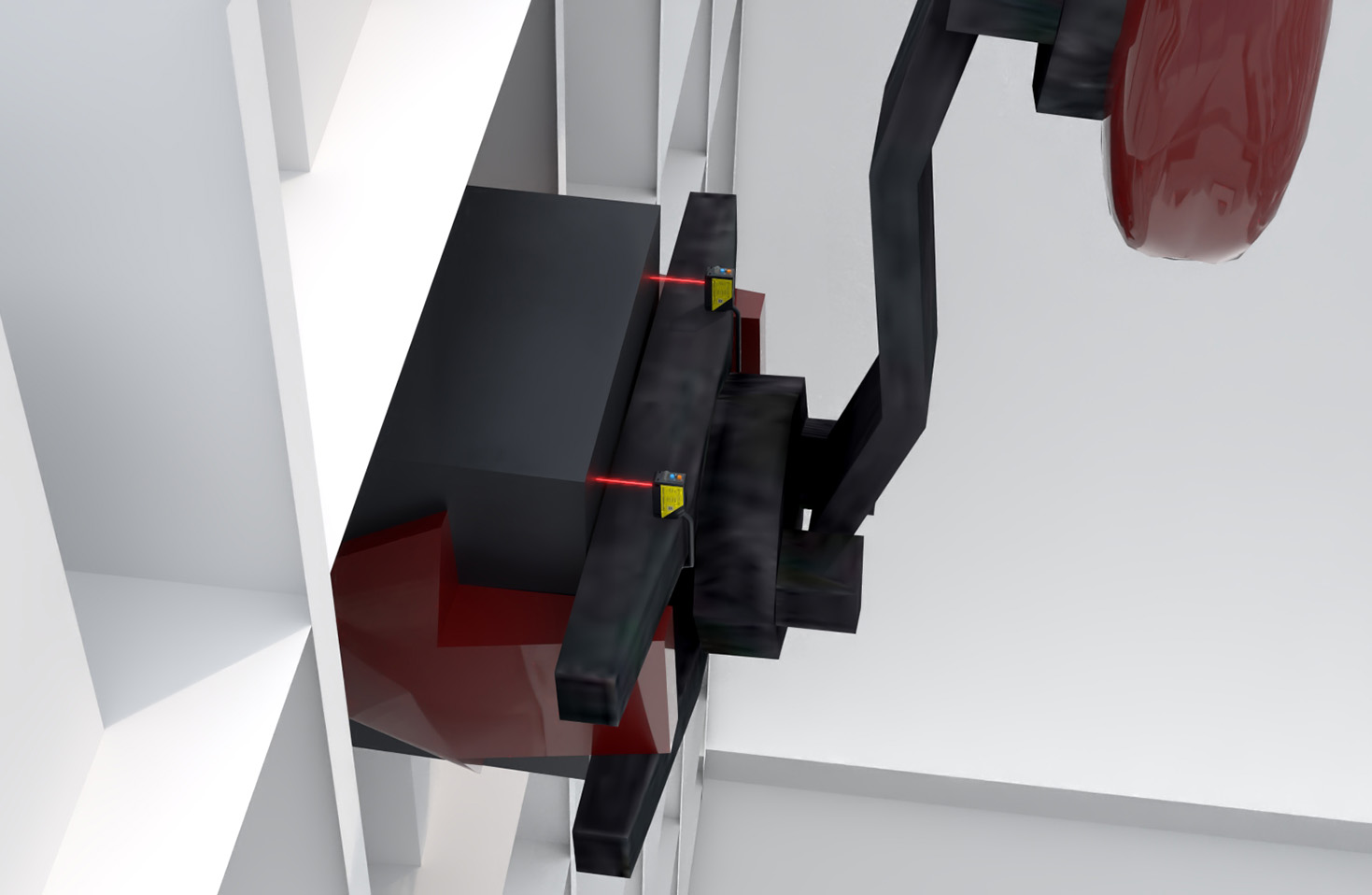
One of the primary domains where laser sensors excel is in manufacturing and automation. On assembly lines, they are crucial for precise positioning, dimensional gauging, and part verification. For instance, in automotive manufacturing, laser sensors ensure components like body panels and engine parts meet exact specifications by performing non-contact measurements at high speeds. This not only enhances product quality but also significantly reduces waste and downtime. In robotics, laser sensors provide essential feedback for navigation and object manipulation, allowing robots to operate safely and efficiently in dynamic environments, from warehouse logistics to collaborative assembly stations.
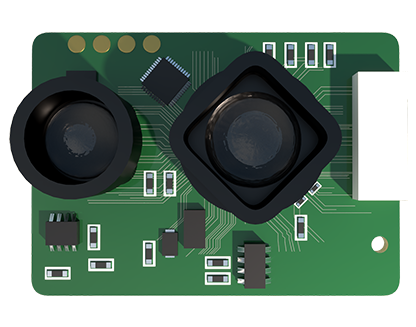
The field of quality inspection and metrology has been transformed by laser sensor technology. Industries such as electronics, aerospace, and pharmaceuticals rely on these sensors for defect detection, surface profiling, and thickness measurement. Laser triangulation sensors, for example, can scan surfaces to identify imperfections like scratches or dents that are invisible to the human eye. In semiconductor fabrication, they monitor wafer alignment and flatness with nanometer-level precision, ensuring the integrity of microchips. This capability is vital for maintaining high standards in production and complying with stringent industry regulations.
Beyond manufacturing, laser sensors play a critical role in safety and security systems. LiDAR (Light Detection and Ranging) sensors, a type of laser sensor, are at the heart of autonomous vehicles, creating detailed 3D maps of surroundings to enable safe navigation. In industrial settings, safety laser scanners are used to establish protective zones around hazardous machinery, instantly halting operations if a person or object enters the area, thereby preventing accidents. Additionally, laser sensors are employed in perimeter security for intrusion detection, offering long-range monitoring with minimal false alarms compared to traditional methods.
The construction and civil engineering sectors also benefit from laser sensor applications. These devices are used for alignment, leveling, and monitoring structural deformations in buildings, bridges, and tunnels. By providing real-time data on shifts or settlements, laser sensors help engineers assess structural health and plan maintenance proactively, enhancing safety and longevity. In agriculture, laser sensors assist in precision farming by measuring crop height and density, optimizing resource use like water and fertilizers, and improving yield predictions.
Environmental monitoring and research represent another growing area for laser sensors. They are utilized in atmospheric studies to measure pollutants, aerosols, and greenhouse gases through techniques like differential absorption lidar. In oceanography, laser sensors help map seafloor topography and monitor water quality. Their ability to deliver accurate, remote sensing data makes them invaluable for tracking climate change and managing natural resources.
Despite their advantages, implementing laser sensors requires careful consideration of factors such as environmental conditions (e.g., dust, humidity, and temperature), target material properties, and cost. Advances in technology are continually addressing these challenges, with developments in miniaturization, increased robustness, and enhanced data processing capabilities. As industries push toward Industry 4.0 and the Internet of Things (IoT), laser sensors are becoming more integrated with smart systems, enabling predictive maintenance and real-time analytics.
In conclusion, laser sensors are pivotal in driving innovation across diverse fields, from manufacturing and safety to environmental science. Their ability to provide precise, non-contact measurements supports efficiency, quality, and safety in ways previously unattainable. As technology progresses, we can expect laser sensors to expand into new applications, further solidifying their role as a cornerstone of modern industrial and scientific advancement. For engineers and industry professionals, staying abreast of these developments is key to leveraging their full potential in an increasingly automated world.