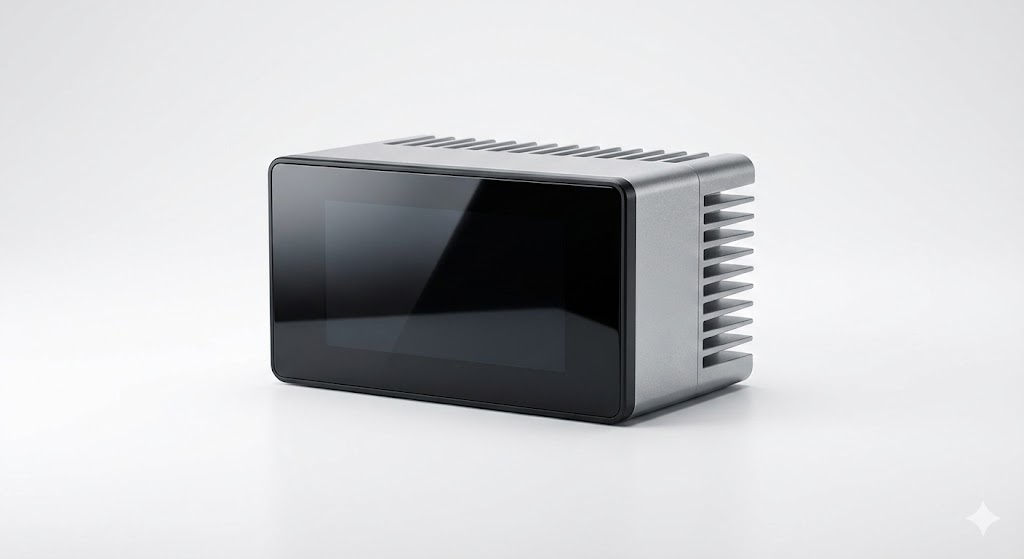
In the realm of industrial automation and precision measurement, the choice between red light sensors and laser sensors is a critical decision that impacts efficiency, accuracy, and cost. Both technologies serve as fundamental components in applications ranging from object detection and positioning to quality control and safety systems. Understanding their distinct characteristics, operational principles, and optimal use cases is essential for engineers and system integrators aiming to optimize performance.
Red light sensors, typically utilizing LEDs (Light Emitting Diodes) that emit visible red light, are a prevalent and cost-effective solution for many industrial tasks. These sensors operate by emitting a beam of red light and detecting its reflection from a target object. They are commonly employed in photoelectric sensors, which can function in through-beam, retro-reflective, or diffuse reflection modes. The primary advantages of red light sensors include their affordability, robustness in various environmental conditions, and ease of alignment due to the visible beam. They perform reliably in detecting presence, counting objects, or monitoring simple positioning tasks where extreme precision is not paramount. However, their limitations become apparent in applications demanding high resolution or long-range detection. The visible red light can have a broader beam divergence, leading to less focused energy and potential interference from ambient light sources, which may affect reliability in brightly lit settings.
In contrast, laser sensors represent a more advanced and precise technology. They utilize laser diodes to generate a coherent, monochromatic, and highly collimated light beam, often in the visible red spectrum or other wavelengths like infrared. This focused beam enables exceptional performance in terms of accuracy, resolution, and range. Laser sensors are indispensable in applications requiring micron-level measurements, such as profiling, thickness gauging, edge detection, and precise displacement monitoring. Their narrow beam allows for the detection of very small objects or precise points on a target, even over considerable distances. Furthermore, laser-based systems often incorporate advanced evaluation electronics for tasks like contrast detection or precise distance measurement using time-of-flight or triangulation principles. While offering superior performance, laser sensors come with higher costs, more complex installation and alignment requirements, and stringent safety considerations. Laser radiation, depending on its class, necessitates appropriate safety measures to protect personnel, often requiring enclosures or labeling.
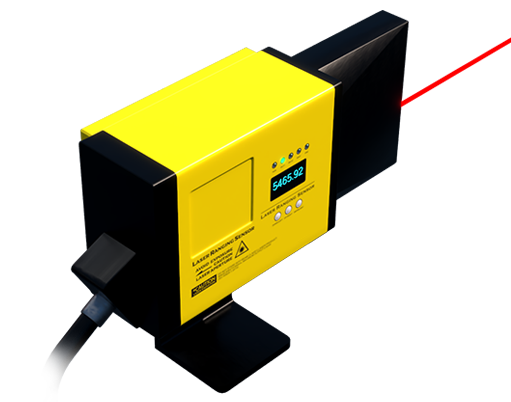
The selection between these two sensor types hinges on specific application parameters. For general-purpose proximity sensing, object counting on conveyor belts, or basic level detection where targets are large and distances are short, red light LED sensors provide a perfectly adequate and economical solution. Their visibility simplifies setup and troubleshooting. Conversely, for high-precision manufacturing, semiconductor inspection, robotic guidance requiring exact positioning, or applications involving transparent or highly reflective materials, laser sensors are typically the unequivocal choice. Their ability to maintain a small, consistent spot size ensures reliable readings unaffected by color or surface variations to a greater degree than standard red light.
Environmental factors also play a crucial role. In areas with significant ambient light pollution, the modulated light of many modern photoelectric sensors (both red LED and laser) helps mitigate interference. However, laser's coherent light generally offers better signal-to-noise ratios in challenging conditions. Maintenance and lifetime are other considerations; LED-based red light sources often have very long lifespans, while laser diodes, though durable, may have different operational longevity profiles and are more sensitive to contamination on the lens due to the high energy density.
In conclusion, there is no universal superior technology. Red light sensors offer a balance of performance, durability, and cost for a wide array of standard industrial applications. Laser sensors deliver unparalleled precision and capability for demanding, high-end tasks. A thorough analysis of the required accuracy, range, target properties, environmental conditions, and budget is paramount. The trend in sensor technology continues to evolve, with advancements in both LED output power and laser safety and miniaturization, providing engineers with an ever-expanding toolkit to solve automation challenges effectively and efficiently.