Metal proximity sensors are widely used in industrial automation for detecting the presence or absence of metallic objects without physical contact. Despite their reliability, these sensors can experience various faults that impact system performance. Understanding common issues and their solutions is crucial for maintaining operational efficiency.
One frequent problem is false triggering or no detection. This often occurs due to environmental factors such as electromagnetic interference (EMI) from nearby motors or welding equipment. EMI can disrupt the sensor's electromagnetic field, leading to erratic behavior. To mitigate this, ensure proper shielding, use sensors with robust EMI immunity, and maintain adequate distance from interference sources. Additionally, check for metal debris or other conductive materials near the sensing area, as they may cause unintended activation.
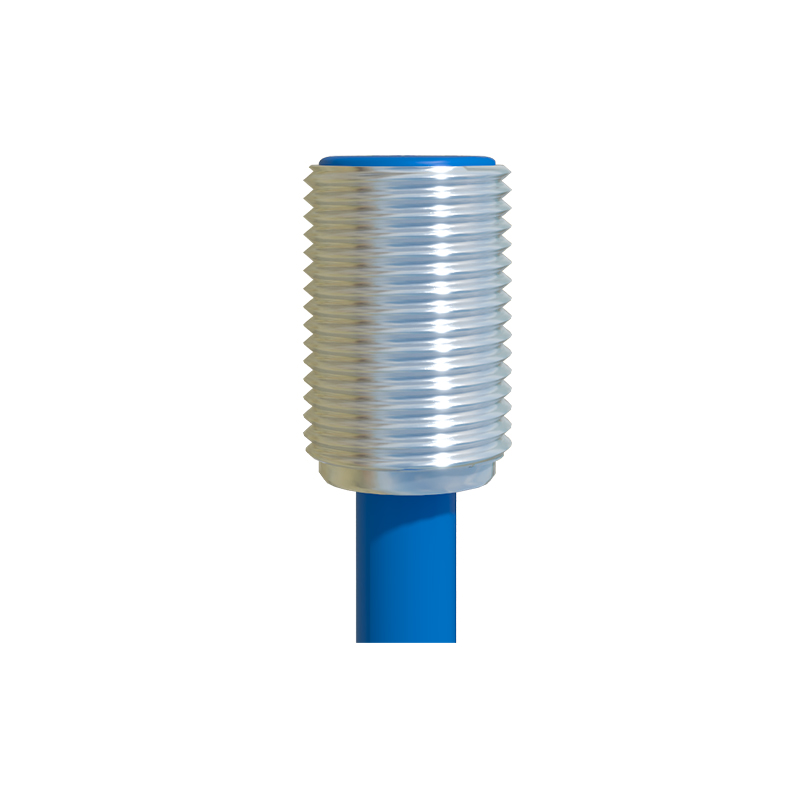
Another common fault is reduced sensing range. Over time, sensor performance may degrade due to wear, contamination, or temperature extremes. For instance, buildup of dirt, oil, or metal shavings on the sensor face can attenuate the electromagnetic field, limiting detection distance. Regular cleaning and inspection are essential. Also, verify that the sensor is rated for the operating temperature range; extreme heat or cold can affect internal components and output stability.
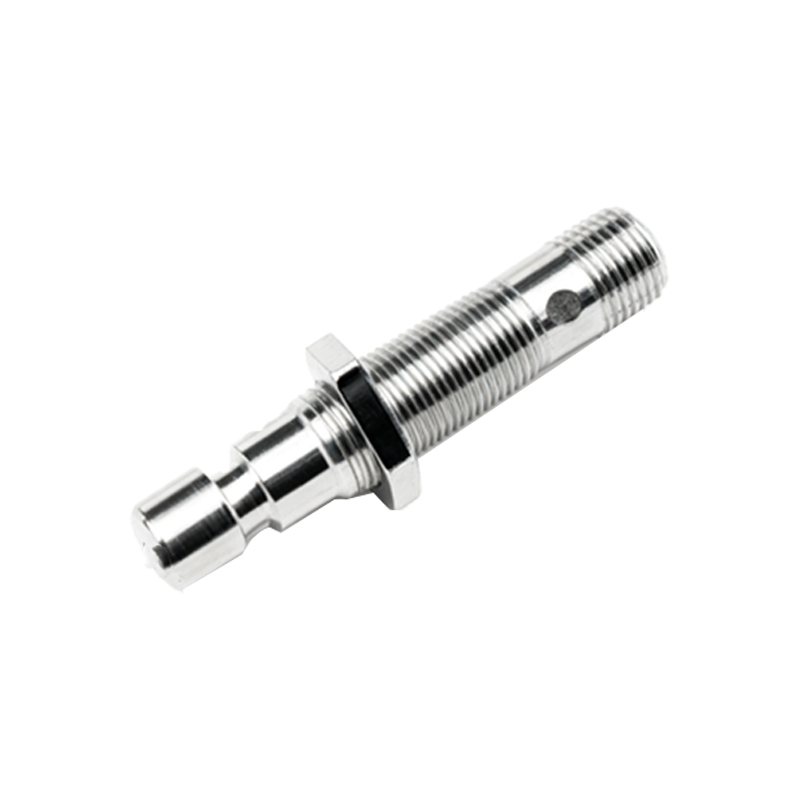
Wiring and connection issues are prevalent causes of sensor failure. Loose terminals, corroded connectors, or damaged cables can lead to intermittent signals or complete loss of function. Inspect wiring for fraying, ensure secure connections, and use appropriate cable types for the environment (e.g., shielded cables for noisy areas). Power supply problems, such as voltage fluctuations or incorrect polarity, can also cause malfunctions. Always adhere to the manufacturer's specifications for voltage and current requirements.
Sensor mounting errors often result in unreliable operation. Improper alignment or insufficient clearance between the sensor and target can reduce effectiveness. For example, if a sensor is mounted too close to a metal background, it might trigger continuously. Follow installation guidelines regarding mounting distances and avoid placing sensors near large metal surfaces. Additionally, consider the target material's properties—different metals (e.g., steel vs. aluminum) have varying detection characteristics, which may require sensor adjustment.
Internal component failure is another concern. Aging electronic parts, such as oscillators or output transistors, can degrade, leading to inconsistent performance. In such cases, replacement may be necessary. To prolong sensor life, avoid overloading the output circuit and ensure proper surge protection in high-voltage environments. Regular maintenance schedules can help identify early signs of wear.

In summary, metal proximity sensor faults typically stem from environmental interference, contamination, wiring problems, mounting issues, or component wear. By implementing preventive measures—like routine cleaning, correct installation, and adherence to technical specs—operators can minimize downtime and enhance system reliability. For persistent issues, consult the sensor's manual or seek professional support to diagnose and resolve complex failures.