In the realm of industrial automation and machine control, proximity sensors are indispensable components. A fundamental and frequently asked question by design engineers and technicians is: "What is the sensing distance of a proximity sensor?" The answer, as is often the case in engineering, is not a single, universal figure but rather a nuanced discussion dependent on several critical factors. This article delves into the technical parameters that define and influence the sensing range of various proximity sensor technologies.
Firstly, it is essential to understand that the nominal sensing distance, often labeled as 'Sn' in datasheets, is a standardized value. This is the rated operating distance at which the sensor is guaranteed to switch under specified conditions, typically with a standard target. The standard target is defined by the sensor type: for inductive sensors, it is a square of mild steel (Fe 360) with a side length equal to the sensor's diameter or the rated sensing distance (whichever is greater). For capacitive sensors, it is often a grounded metal plate. For photoelectric sensors, it involves specific reflectivity targets. Any deviation from this standard target will alter the effective sensing distance.
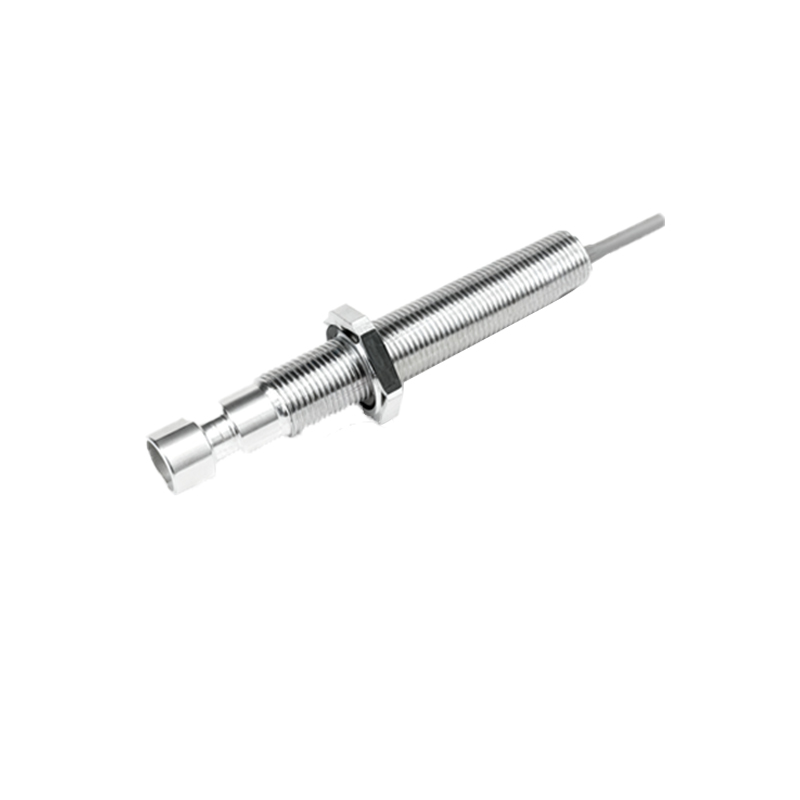
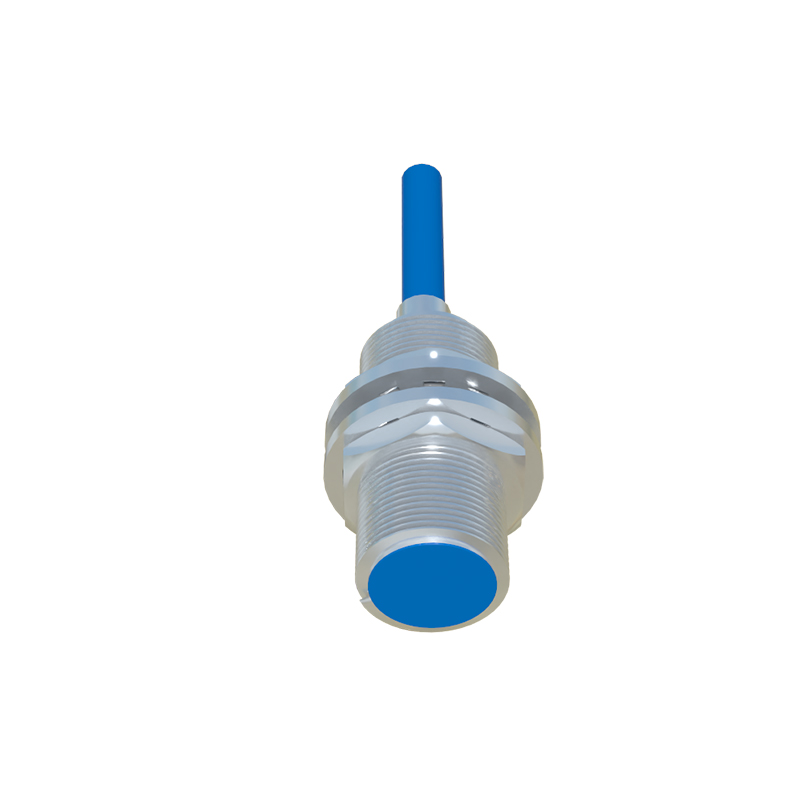
The core technology of the sensor is the primary determinant of its range. Inductive proximity sensors, which detect metallic objects, typically have sensing ranges from a fraction of a millimeter up to about 60-70 mm for larger barrel-style sensors. Their range is heavily influenced by the target metal type. For instance, a sensor rated for 10 mm with mild steel will have a reduced effective distance for stainless steel (often 60-80% of Sn) and an even shorter one for non-ferrous metals like aluminum or copper (often 30-50% of Sn). Capacitive proximity sensors can detect both metallic and non-metallic materials (plastics, liquids, wood) and generally offer similar or slightly shorter ranges than their inductive counterparts for metals, but their sensitivity to non-metals requires careful adjustment and is highly dependent on the material's dielectric constant.
Photoelectric sensors offer the most significant sensing distances, ranging from a few centimeters to several hundred meters, depending on the model and mode. Diffuse (proximity) mode sensors have shorter ranges (e.g., 2 meters), while retro-reflective models can reach 10-20 meters, and through-beam (transmitter-receiver) sensors can span distances of 100 meters or more. Their effective range is a function of light source intensity (LED or laser), receiver sensitivity, and the target's size, color, and surface finish. A white, reflective target will be detected at a much greater distance than a black, absorptive one.
Ultrasonic sensors also provide relatively long ranges, from centimeters to several meters (e.g., 6-8 meters is common), and are excellent for detecting objects regardless of color or material, though they are sensitive to surface angle and environmental factors like temperature and air turbulence.
Beyond the core technology, several other factors critically impact the real-world sensing distance:
1. Target Size and Shape: A target smaller than the sensor's active face or the standard target will reduce the sensing distance. The target must be large enough to interact sufficiently with the sensor's field.
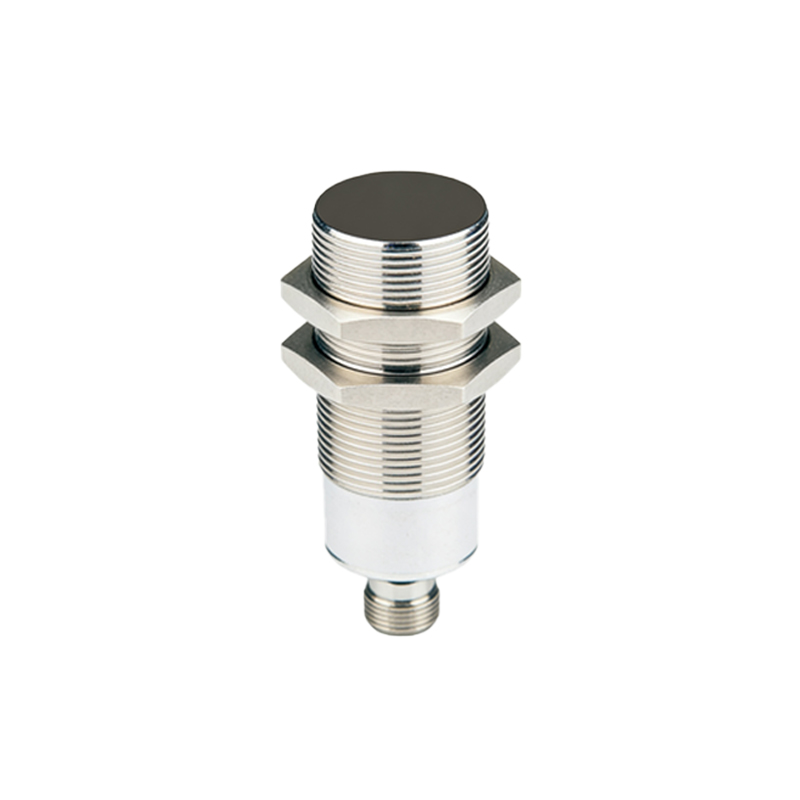
2. Installation and Environment: Mounting a sensor flush in a metal surface (flush-mounted) is possible only with shielded designs; non-shielded sensors must be mounted with a clearance from surrounding metal to avoid false triggering, which effectively reduces available space. Temperature extremes can affect electronic components and, in ultrasonic sensors, the speed of sound. The presence of dust, oil, or other contaminants can severely degrade the performance of optical sensors.
3. Electrical Characteristics: Supply voltage variations can slightly affect the sensor's performance. The load current and switching frequency are generally not direct factors for sensing distance but are crucial for overall system design.
4. Hysteresis: All proximity sensors incorporate hysteresis—a difference between the switch-on and switch-off points. This prevents chatter when a target is at the exact sensing edge and is typically 3-15% of the sensing distance. It is a designed characteristic, not a flaw.
In practical application, engineers must never rely on the maximum possible detection distance but always design using the guaranteed operating distance. This is a value less than Sn (often 0.9 x Sn or defined in the datasheet) that accounts for manufacturing tolerances, supply voltage variations, and temperature effects. It is the safe, repeatable distance for reliable operation in a control system.
Therefore, when selecting a proximity sensor, the question transforms from "What is the distance?" to "What is the required distance for my specific target, material, and environmental conditions?" Always consult the manufacturer's detailed datasheet, which contains correction factors for different metals, temperature derating curves, and detailed mounting instructions