In the realm of industrial automation and electrical engineering, proximity sensors are indispensable components for non-contact detection, object positioning, and process control. Their ability to sense the presence or absence of an object without physical contact ensures reliability, longevity, and high-speed operation in demanding environments. This guide delves into the primary types of proximity sensors and explores common model series, providing engineers with a clear understanding of their applications and selection criteria.
The fundamental operating principle of a proximity sensor is to emit a field or beam and detect changes in that field caused by a target object. Based on the underlying technology, they are broadly classified into several categories.
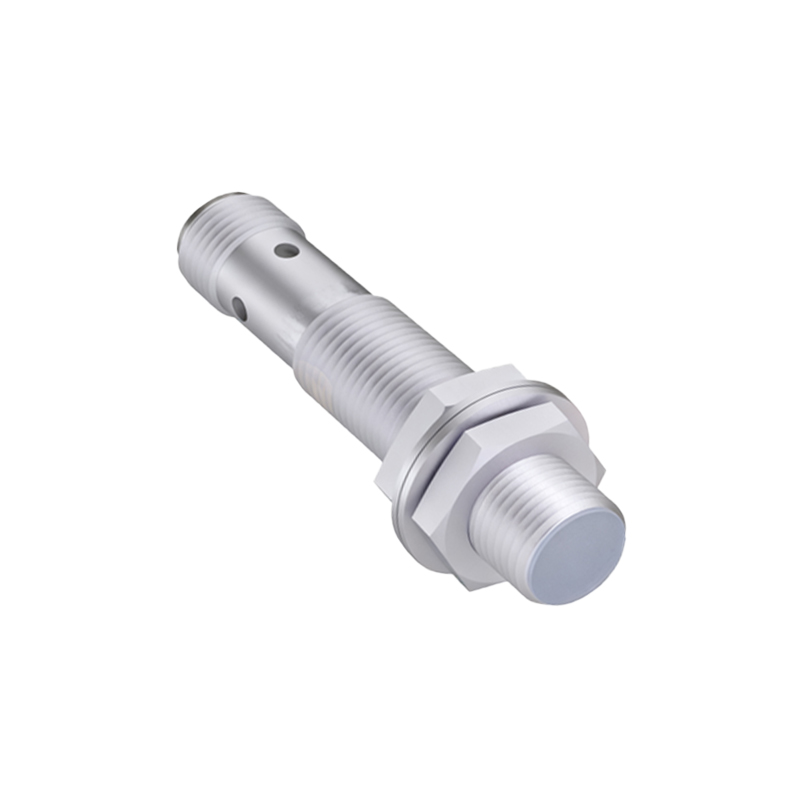
Inductive Proximity Sensors are the workhorses for detecting metallic objects. They generate an electromagnetic field. When a ferrous or non-ferrous metal enters this field, it induces eddy currents, causing a change in the sensor's oscillation amplitude. This change is detected and converted into a switching signal. Key characteristics include their robustness, insensitivity to non-metallic materials, and high switching frequencies. Common sensing ranges vary from 1mm to 60mm. Models like the Omron E2E, Sick IME, and Pepperl+Fuchs NBN series are industry standards, offering various housing styles (cylindrical, rectangular), output types (PNP/NPN, NO/NC), and connection methods (pre-wired, quick-disconnect).
Capacitive Proximity Sensors can detect both metallic and non-metallic materials, including liquids, powders, plastics, and wood. They function by generating an electrostatic field. Any object with a dielectric constant different from air will alter the capacitance of the sensing face, triggering the output. These sensors are ideal for level detection, material handling, and presence sensing of non-metals. Popular model families include the Sick C series, Balluff BC series, and IFM Electronic CM series. They often feature sensitivity adjustment potentiometers to compensate for different target materials and to ignore background interference.
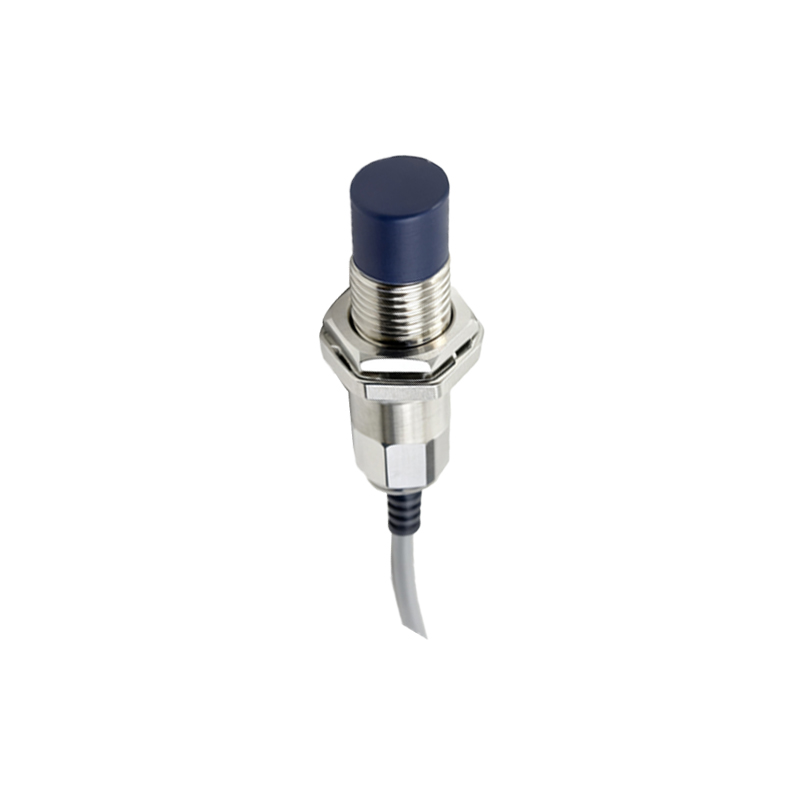
Ultrasonic Proximity Sensors operate by emitting high-frequency sound waves and measuring the time for the echo to return. They are excellent for detecting objects regardless of color, transparency, or material composition, and can also measure distance. They perform well in dusty or foggy environments where optical sensors might fail. Typical applications include bulk material level monitoring, loop control, and collision avoidance. Models such as the Banner Q45U, Siemens SIMATIC Ultrasonic, and Pepperl+Fuchs UC series offer both analog and switching outputs with configurable sensing windows.
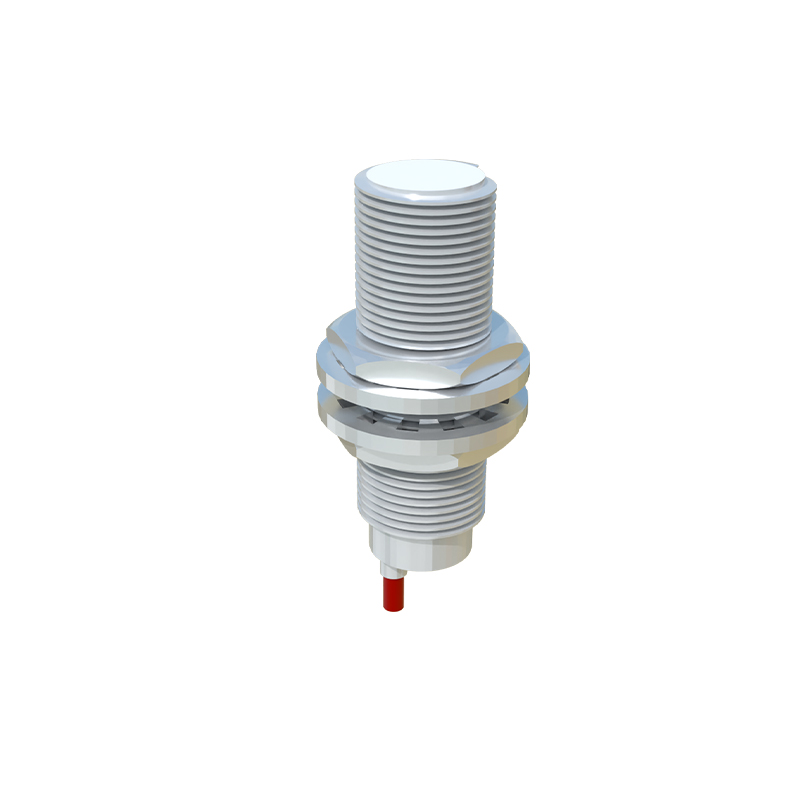
Magnetic Proximity Sensors, specifically Reed Switch or Hall Effect sensors, are designed to detect permanent magnets. They are simple, cost-effective, and used in applications like cylinder position sensing (with a magnet embedded in the piston), door/window position detection, and speed sensing. Hall Effect models, like those in the Cherry Electric GH series, provide solid-state reliability, while reed switch types are common in basic limit switching.
Photoelectric Sensors, while sometimes categorized separately, function as proximity sensors in their diffuse (reflective) mode. They emit a light beam (visible red, infrared, or laser) and detect the light reflected directly from the target. Their sensing range is typically longer than inductive or capacitive types, and they can detect virtually any object. Key model lines include the Keyence PZ series, Omron E3Z, and Sick WTT.
When selecting a model, engineers must consider several parameters beyond type: Sensing Distance (rated and practical), Housing Material (e.g., stainless steel for washdown areas, PBT for general use), Output Configuration (DC 3-wire, 2-wire, AC/DC), Electrical Connection (M8, M12 connectors), IP Rating (for dust and water ingress protection), and Switching Frequency. Always consult the manufacturer's datasheet for specific details on temperature range, hysteresis, and target size factors.
In conclusion, the choice of proximity sensor type and model is critical to system performance. Inductive sensors excel with metals, capacitive sensors handle diverse materials, ultrasonic sensors overcome environmental challenges, and magnetic sensors offer simple magnetic detection. By understanding the operational principles and key specifications of prominent model series from leading manufacturers, electrical engineers can make informed decisions to ensure robust, efficient, and reliable automation solutions.