Laser irradiation plays a pivotal role in modern sensor technology, enabling precise measurements, enhanced sensitivity, and innovative applications across industries. At its core, laser irradiation involves directing a focused beam of coherent light onto a target area, where sensors detect changes in properties such as reflection, absorption, or scattering. This process forms the basis for many advanced sensing systems, from environmental monitoring to medical diagnostics.
In industrial settings, laser-irradiated sensors are used for non-contact measurement and quality control. For example, in manufacturing, lasers scan surfaces to detect defects or measure dimensions with micron-level accuracy. The high intensity and coherence of laser light allow sensors to capture data even in challenging environments, such as high temperatures or fast-moving production lines. This reduces human error and increases efficiency, making it a cornerstone of automation.
Environmental monitoring benefits significantly from laser-based sensors. LiDAR (Light Detection and Ranging) systems, which use laser pulses to map terrain or measure atmospheric components, rely on precise irradiation to gather data on pollution levels, forest density, or climate patterns. Sensors detect the backscattered light, analyzing its wavelength and intensity to derive meaningful insights. This technology has become essential for tracking environmental changes and supporting sustainability efforts.
In the medical field, laser irradiation enables minimally invasive diagnostics and treatments. Sensors integrated with laser systems can detect biomarkers in blood samples or monitor tissue health during surgeries. For instance, optical sensors using low-level lasers help identify cancerous cells by analyzing how light interacts with biological tissues. This approach offers high specificity and reduces the need for invasive procedures, improving patient outcomes.
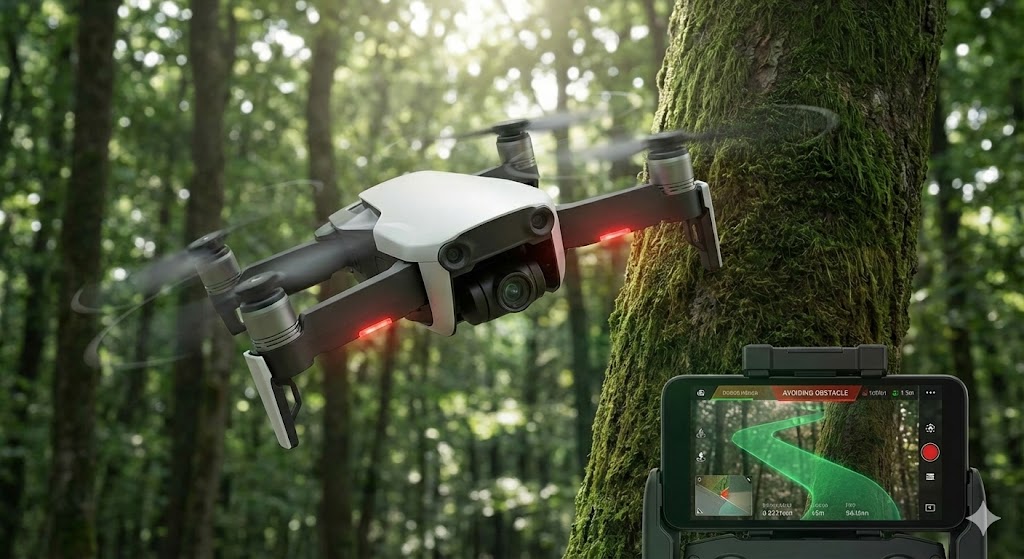
The development of laser sources, such as diode lasers or fiber lasers, has expanded sensor capabilities. These lasers provide adjustable wavelengths and power levels, allowing customization for specific applications. Coupled with advancements in photodetectors and signal processing algorithms, sensors can now interpret complex data from laser irradiation in real-time. This synergy drives innovation in fields like autonomous vehicles, where LiDAR sensors use laser beams to navigate and avoid obstacles.
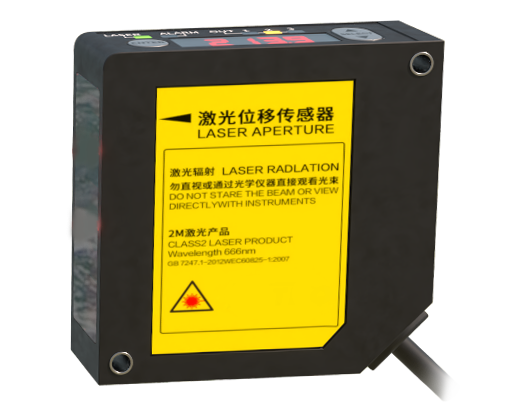
However, challenges remain in optimizing laser irradiation for sensors. Factors like beam divergence, atmospheric interference, or material properties can affect accuracy. Researchers are addressing these issues through adaptive optics and machine learning techniques, which enhance sensor resilience and data interpretation. Additionally, safety protocols are crucial, as high-power lasers pose risks to human eyes and equipment, requiring careful design and regulation.
Looking ahead, the integration of laser irradiation with emerging technologies like the Internet of Things (IoT) and artificial intelligence promises smarter sensor networks. These systems could autonomously monitor infrastructure, predict maintenance needs, or enhance security through laser-based surveillance. As laser technology becomes more affordable and compact, its adoption in everyday sensors—from smartphones to wearable devices—is likely to grow, further blurring the line between specialized tools and consumer applications.
In summary, laser irradiation is a transformative element in sensor technology, offering precision, versatility, and reliability. By understanding its principles and applications, industries can harness its potential to solve complex problems and drive progress. Continuous innovation in lasers and sensor design will undoubtedly unlock new possibilities, making our world more connected and responsive to change.