In the realm of industrial automation, robotics, and smart device design, the reliable detection of objects without physical contact is paramount. Among the myriad of sensing solutions available, infrared (IR) proximity sensors stand out for their cost-effectiveness, simplicity, and robustness. The E18-D80NK is a widely adopted model in this category, offering a specific set of characteristics that make it suitable for numerous applications. This article delves into the technical specifications, operational principles, and practical implementation considerations of the E18-D80NK sensor.
The E18-D80NK is an infrared diffuse reflective sensor. Its operating principle is straightforward yet effective. The sensor integrates an infrared emitter (typically an IR LED) and a phototransistor receiver within a single, compact housing. The emitter constantly projects a beam of modulated infrared light. When an object enters the sensor's detection range, this infrared light reflects off the object's surface and is received by the phototransistor. The sensor's internal circuitry processes this signal. A key feature of the E18-D80NK is its adjustable sensing distance, which can be finely tuned via a potentiometer located on the sensor body, typically ranging from approximately 3cm to 80cm. This adjustability is crucial for tailoring the sensor to specific application needs.
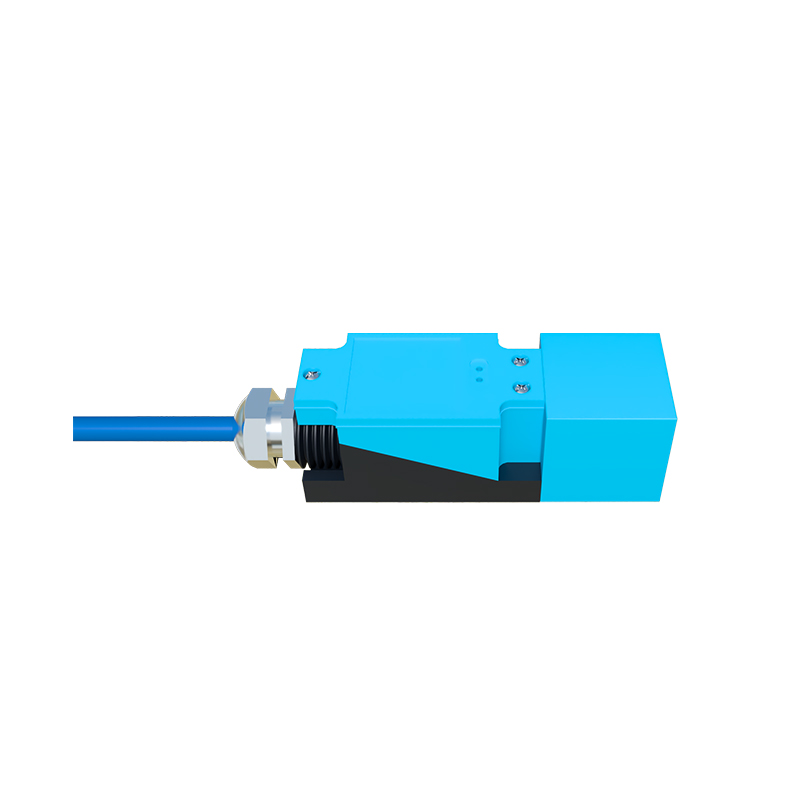
The sensor outputs a digital signal, making it exceptionally easy to interface with microcontrollers like Arduino, Raspberry Pi, or PLCs. In its common configuration, the output is in a low-active state; meaning the signal pin remains at a high logic level (e.g., 5V) when no object is detected and switches to a low logic level (0V) when an object is within the preset range. This digital on/off behavior simplifies coding and integration. The E18-D80NK operates on a DC voltage, commonly 5V, and features a standard three-wire connection: VCC (power), GND (ground), and OUT (signal output). Its NPN open-collector output stage provides flexibility for interfacing with various logic levels.
Several technical aspects define the E18-D80NK's performance. Its adjustable detection range (3-80cm) is a primary specification. The response time is typically very fast, in the millisecond range, allowing for detection in dynamic systems. The sensor employs modulated IR light, which significantly enhances its immunity to ambient light interference from sources like sunlight or indoor lighting, a common challenge with simple photoelectric sensors. The housing is often made of durable plastic, with the sensing face designed to be somewhat resistant to dust and moisture, though it is not a fully sealed unit for harsh environments. The compact cylindrical form factor, with a diameter of approximately 18mm, facilitates easy mounting.
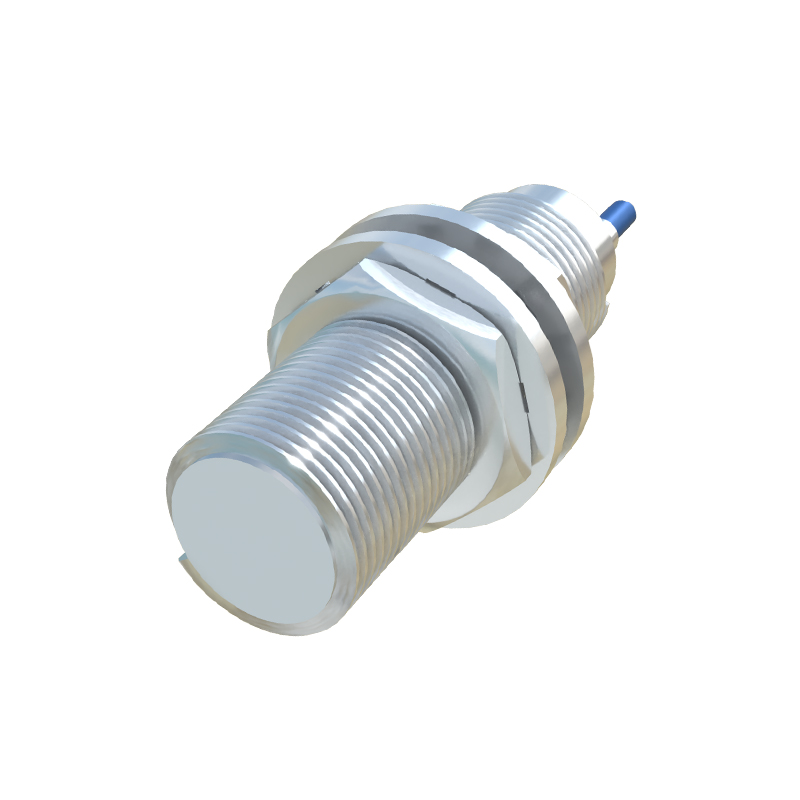
The applications for the E18-D80NK are extensive. In robotics, it is frequently used for obstacle avoidance, allowing a robot to stop or change direction before a collision. In industrial automation, it can count objects on a conveyor belt, detect the presence of a product at a specific station, or act as a limit switch. In DIY electronics and maker projects, it's popular for creating interactive displays, automatic dispensers, or smart trash cans that open when a hand approaches. Its reliability and simplicity make it a go-to component for proof-of-concept prototypes and final products alike.
However, successful implementation requires attention to certain factors. The sensor's performance is influenced by the color, texture, and material of the target object. Dark, matte, or absorbent surfaces reflect less IR light and may reduce the effective detection range, while shiny or light-colored objects may be detected at a longer distance. The sensor should be calibrated in its final operating environment using the adjustment potentiometer. Environmental factors like heavy dust, fog, or direct, intense IR light can affect performance. Electrically, it is good practice to include a pull-up resistor on the output line if the microcontroller's internal pull-up is not enabled, and to use decoupling capacitors near the sensor's power pins to ensure stable operation.
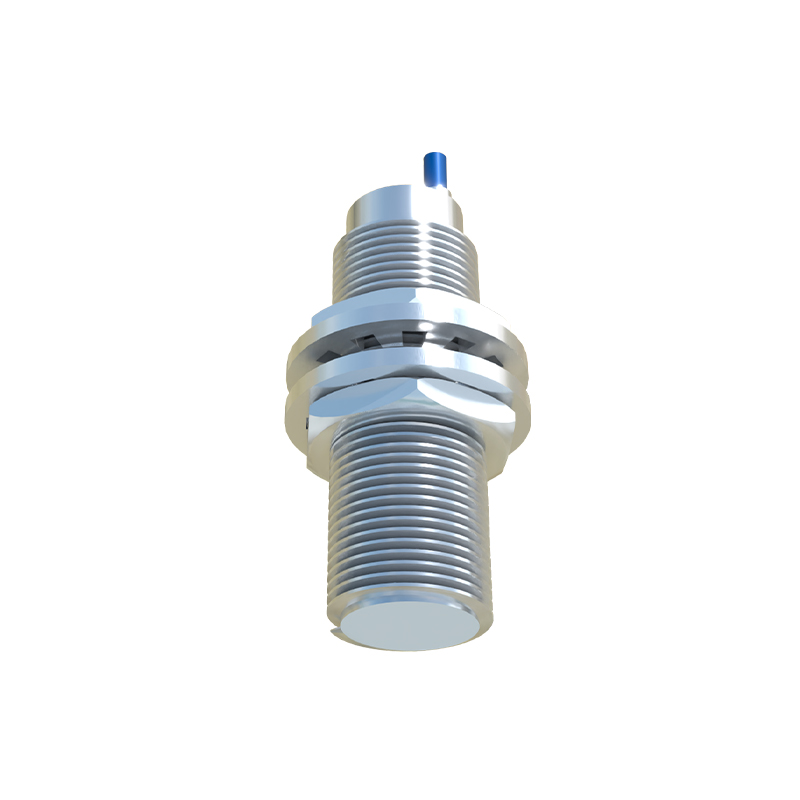
When compared to other sensing technologies like ultrasonic sensors or laser time-of-flight (ToF) sensors, the E18-D80NK offers a compelling balance. Ultrasonic sensors have longer ranges and are less affected by object color but are slower and can be confused by soft materials. Laser ToF sensors are highly accurate but more expensive. The E18-D80NK provides a fast, low-cost, and digitally simple solution for medium-range proximity detection where environmental conditions are controlled.
In conclusion, the E18-D80NK infrared proximity sensor is a versatile and reliable workhorse in the engineer's toolkit. Its adjustable range, digital output, and modulated IR technology provide a robust solution for a wide array of detection tasks. By understanding its operating principles, specifications, and practical considerations regarding target material and environment, engineers and developers can effectively integrate this sensor to add intelligent