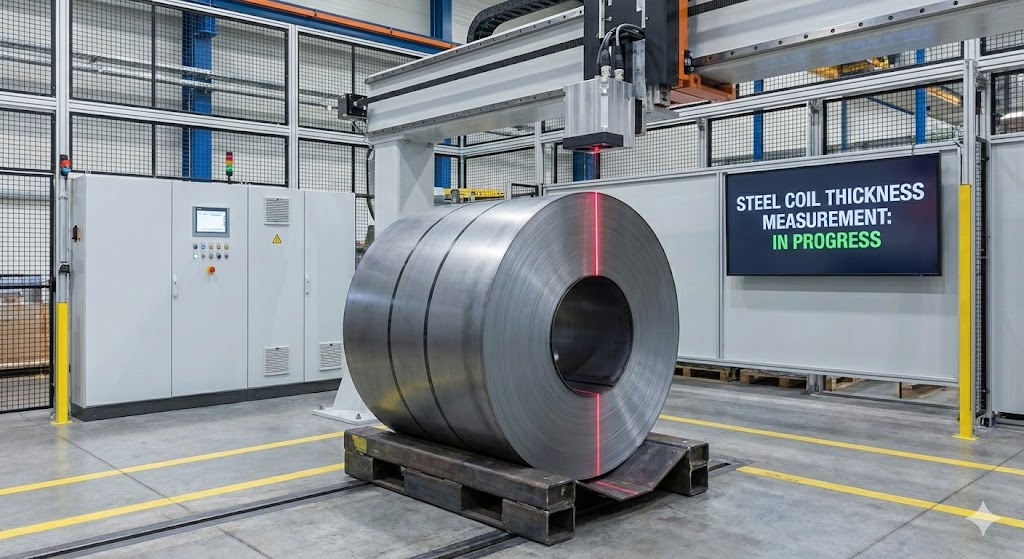
Laser sensors have become indispensable components across various sectors in Europe and America, driving innovation in automation, quality control, and safety systems. These devices utilize laser technology to measure distance, detect objects, and monitor processes with exceptional precision. In manufacturing, laser sensors are employed for non-contact measurement tasks, such as gauging thickness, alignment, and positioning in automotive assembly lines. Their ability to operate in harsh environments—withstanding dust, vibration, and extreme temperatures—makes them ideal for industrial applications.
In the European market, stringent regulations and a focus on sustainability have spurred the adoption of laser sensors in energy-efficient systems. For instance, they are integrated into smart grids and renewable energy installations to optimize performance and reduce waste. German engineering firms, known for their precision, often incorporate laser sensors into machinery for real-time monitoring, ensuring high-quality output in sectors like pharmaceuticals and electronics. Similarly, in the United States, the emphasis on automation and Industry 4.0 has accelerated the use of laser sensors in robotics and logistics. Warehouses utilize these sensors for inventory management and automated guided vehicles (AGVs), enhancing efficiency and reducing human error.
The technology behind laser sensors has evolved significantly, with advancements in time-of-flight (ToF) and triangulation methods improving accuracy and speed. European companies like Sick AG and Keyence have pioneered compact, high-resolution sensors that offer reliable data acquisition even in dynamic settings. In America, innovations focus on integrating laser sensors with IoT platforms, enabling predictive maintenance and data analytics. This connectivity allows industries to preemptively address equipment failures, minimizing downtime and costs.
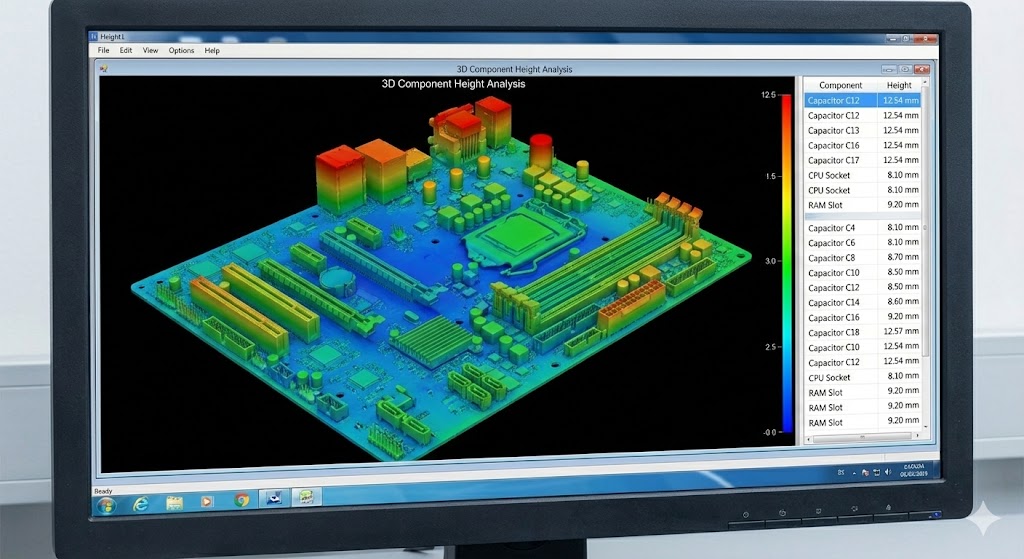
Applications extend beyond manufacturing to healthcare, where laser sensors assist in medical imaging and surgical tools, providing non-invasive diagnostics. In automotive safety, they are critical for advanced driver-assistance systems (ADAS), detecting obstacles and enabling features like adaptive cruise control. Environmental monitoring also benefits from laser sensors, used in air quality assessment and pollution tracking across urban areas in both regions.
Despite their advantages, challenges such as high initial costs and the need for specialized expertise persist. However, ongoing research in Europe and America aims to develop more affordable and user-friendly solutions, with a focus on enhancing durability and interoperability. As industries continue to embrace digital transformation, laser sensors are poised to play a pivotal role in shaping future technologies, from autonomous vehicles to smart cities. Their versatility and precision underscore their importance in maintaining competitive edges in global markets.