In modern industrial automation and quality control systems, precise displacement measurement is a critical parameter that directly impacts manufacturing accuracy, product consistency, and operational safety. Among the various technologies available, laser displacement sensors have emerged as a leading solution due to their exceptional accuracy, non-contact operation, and high-speed capabilities. This article delves into the operational principles, key advantages, and diverse application scenarios of laser sensors in displacement testing, providing a comprehensive overview for engineers and technical decision-makers.
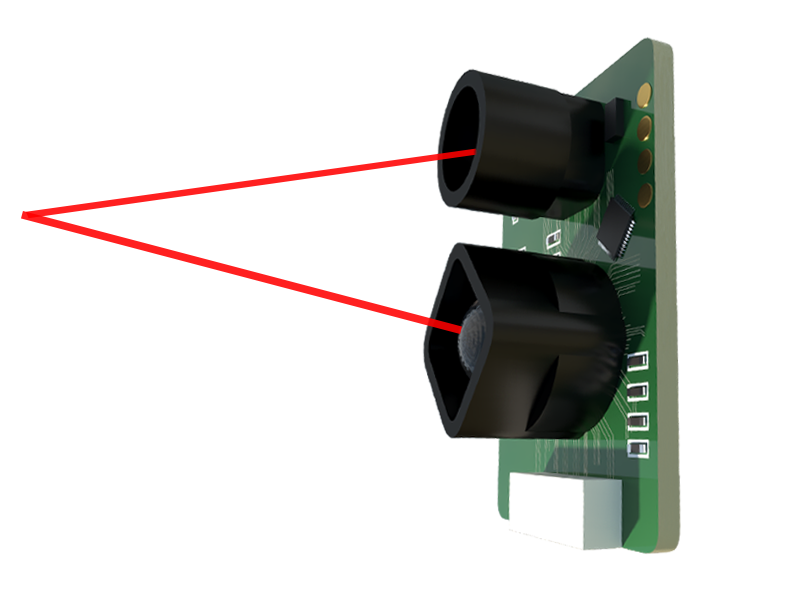
Laser displacement sensors operate primarily on the principle of optical triangulation or time-of-flight measurement. In the triangulation method, a laser diode projects a focused beam onto the target surface. The reflected light is then captured by a receiving lens at a specific angle and focused onto a position-sensitive detector, such as a CCD or CMOS array. Any change in the target's distance alters the position of the reflected light spot on the detector. By calculating this positional shift, the sensor's internal processor determines the exact displacement with micron-level resolution. Time-of-flight sensors, often used for longer ranges, measure the phase shift or the direct time delay between the emitted and reflected laser pulses to calculate distance.
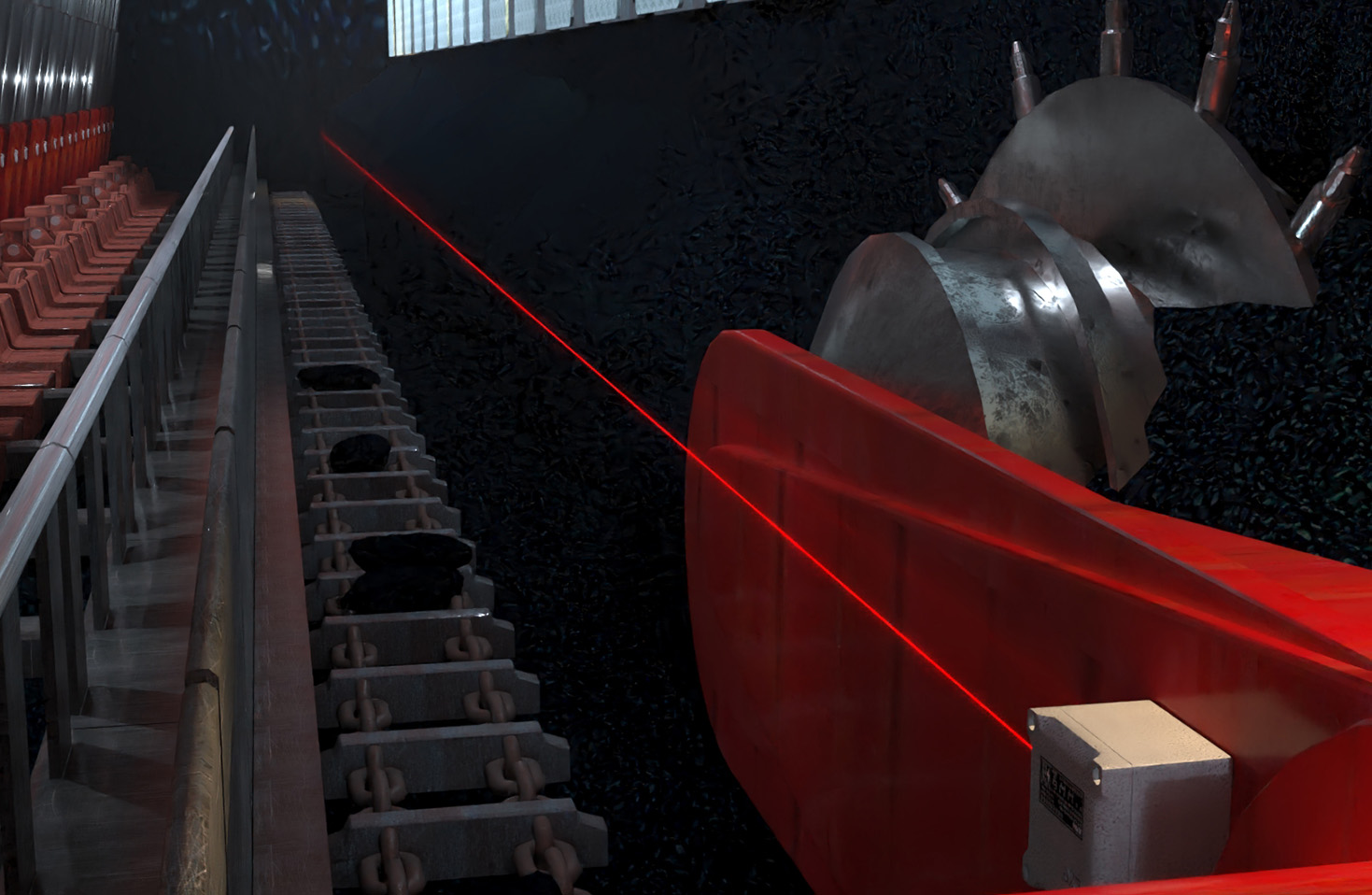
The advantages of laser sensors over traditional contact methods like LVDTs or potentiometers are substantial. Firstly, their non-contact nature eliminates mechanical wear, ensuring long-term stability and reliability without affecting delicate or moving surfaces. This is particularly vital in industries like semiconductor manufacturing or precision optics, where even minimal contact can cause damage. Secondly, laser sensors offer extremely high measurement speeds, often in the kilohertz range, enabling real-time monitoring of fast-moving objects on production lines. Thirdly, they provide exceptional resolution, capable of detecting sub-micron changes, which is essential for applications such as wafer thickness measurement, vibration analysis, and part dimensional verification.
Environmental robustness is another key strength. Modern laser sensors are designed with industrial-grade housings (often IP67 rated) to withstand harsh conditions involving dust, coolant mist, and temperature variations. Advanced models incorporate features like automatic background suppression to filter out ambient light interference and multi-echo technology to penetrate transparent surfaces like glass or clear films, measuring the true target distance behind them.
Application areas for laser displacement sensors are vast and varied. In automotive manufacturing, they are used to measure body panel gaps, brake disc thickness, and engine component tolerances. In electronics, they ensure the precise placement of components on PCBs and measure the flatness of displays. In metal processing, they monitor roll gaps in rolling mills and control robot arm positioning. Furthermore, they play a crucial role in research and development labs for material testing, deformation analysis, and 3D profiling.
Selecting the appropriate laser sensor requires careful consideration of several parameters: measurement range, resolution, spot size, linearity error, and response speed. For instance, a small spot size is necessary for measuring narrow grooves or edges, while a larger range might be needed for monitoring large machinery displacements. Interface options (analog outputs, digital protocols like Ethernet/IP or PROFINET) must also align with the existing control system architecture.
In conclusion, laser displacement sensors represent a sophisticated, versatile, and highly reliable technology for modern industrial metrology. Their ability to deliver precise, non-contact, and high-speed measurements makes them indispensable for enhancing quality, optimizing processes, and driving innovation across numerous sectors. As Industry 4.0 and smart manufacturing evolve, the integration of these sensors with IoT platforms and data analytics will further unlock their potential for predictive maintenance and advanced process control.