Proximity sensors have become indispensable components in industrial automation, offering non-contact detection of objects within their sensing range. These devices are widely used across various sectors due to their reliability, durability, and ability to operate in harsh environments. Unlike mechanical switches, proximity sensors eliminate physical contact, reducing wear and tear and minimizing maintenance needs. Common types include inductive, capacitive, ultrasonic, and photoelectric sensors, each suited for specific applications based on material properties, environmental conditions, and detection requirements.
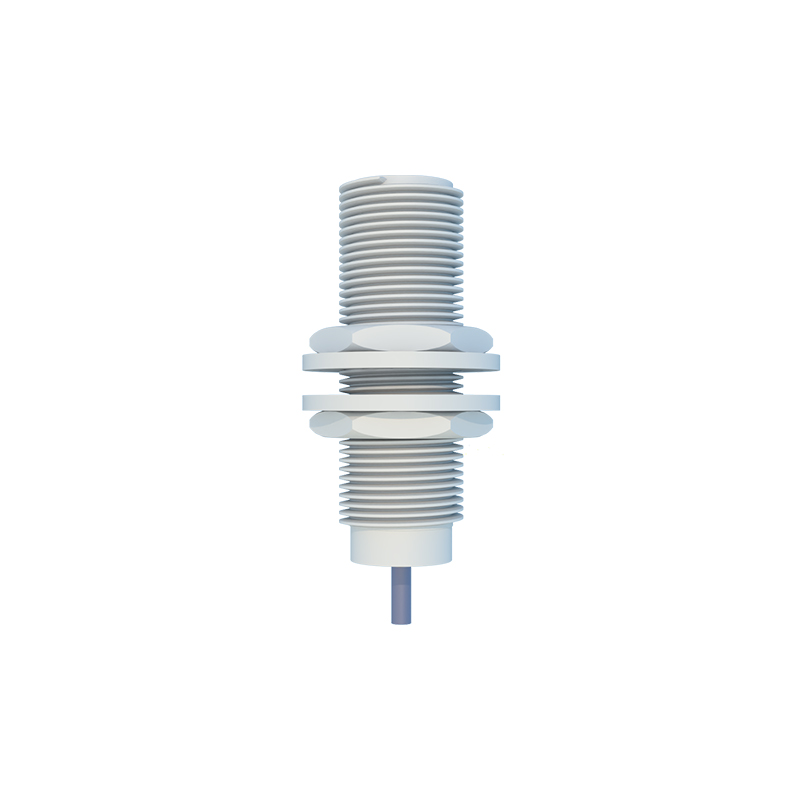
In manufacturing, inductive proximity sensors are frequently employed for metal detection. They generate an electromagnetic field to sense ferrous and non-ferrous metals, making them ideal for position verification in assembly lines, conveyor systems, and robotic arms. For instance, in automotive production, these sensors ensure precise placement of components like engine parts or chassis elements, enhancing accuracy and throughput. Capacitive sensors, on the other hand, detect both metallic and non-metallic materials, including liquids and plastics. This versatility allows their use in packaging industries to monitor fill levels in containers or detect presence of materials on production belts.
Material handling systems leverage ultrasonic proximity sensors for distance measurement and object detection. By emitting sound waves and analyzing reflected signals, they provide accurate readings even in dusty or humid conditions, common in warehouses or logistics centers. Photoelectric sensors use light beams to detect objects, offering long-range capabilities and high-speed response. They are essential in bottling plants for label verification or in electronics manufacturing for component alignment.
Safety applications also benefit significantly from proximity sensors. In automated machinery, they serve as safety interlocks to prevent operator injuries by halting equipment when a person enters a hazardous zone. For example, light curtains—arrays of photoelectric sensors—create invisible barriers around dangerous areas, instantly stopping machines if breached. Additionally, proximity sensors aid in predictive maintenance by monitoring equipment vibrations or alignment, alerting technicians to potential failures before they cause downtime.
The integration of proximity sensors with Industrial Internet of Things (IIoT) platforms has further expanded their utility. Smart sensors equipped with communication protocols like IO-Link or Ethernet/IP transmit real-time data to control systems, enabling predictive analytics and remote monitoring. This connectivity supports Industry 4.0 initiatives, fostering efficient, data-driven decision-making. In agriculture, proximity sensors assist in automated irrigation systems by detecting soil moisture levels, while in automotive, they enable advanced driver-assistance systems (ADAS) for parking assistance and collision avoidance.
Despite their advantages, selecting the right proximity sensor requires careful consideration of factors such as sensing distance, environmental interference, and target material. Regular calibration and shielding from electromagnetic noise are crucial for optimal performance. As technology advances, innovations like miniaturized sensors and enhanced sensitivity continue to broaden application scopes, from medical devices to consumer electronics.
In summary, proximity sensors play a critical role in enhancing operational efficiency, safety, and automation across industries. Their adaptability and evolving capabilities make them key enablers of modern industrial processes, driving productivity and innovation in an increasingly automated world.