In today's rapidly evolving industrial landscape, off-the-shelf proximity sensors often fall short of addressing the complex and specific challenges faced by modern automation systems. The demand for custom proximity sensor solutions is rising, driven by the need for enhanced precision, reliability, and integration in diverse environments. Customization is not merely a luxury but a strategic necessity for businesses aiming to optimize performance, reduce downtime, and gain a competitive edge.
The journey toward a bespoke proximity sensor begins with a deep dive into the application's core requirements. Standard sensors are designed for general purposes, but unique operating conditions—such as extreme temperatures, high-pressure washdowns, corrosive atmospheres, or the need to detect non-ferrous or uniquely shaped targets—demand a tailored approach. A thorough analysis of the sensing distance, required output signal (e.g., NPN, PNP, analog, IO-Link), housing material, electrical connection, and environmental protection rating (IP/IP69K) forms the foundation of the design process.
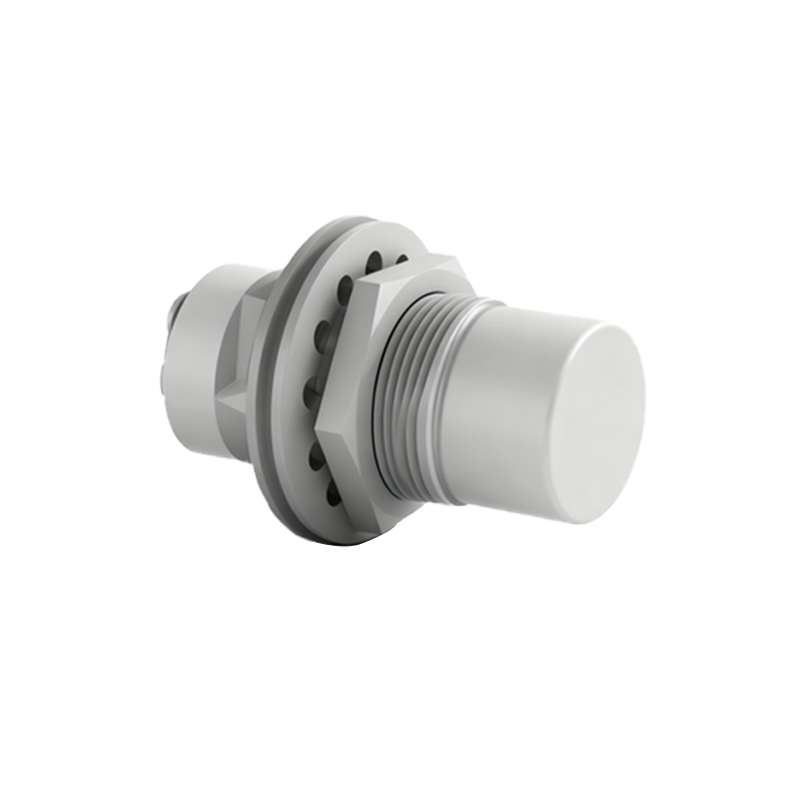
Material selection is a critical pillar of customization. While stainless steel housings are common for durability, applications in the food and beverage or pharmaceutical industries may require FDA-compliant materials or specific coatings to prevent contamination. In chemically aggressive environments, sensors with PTFE coatings or specialized seals become imperative. Similarly, the sensing face material can be altered; for instance, a ceramic face is often chosen for high-abrasion applications where standard plastics would quickly degrade.
Electrical and output customization offers another layer of precision. Engineers can tailor the sensing range to millimeter accuracy, ensuring reliable detection without false triggers. The integration of advanced communication protocols like IO-Link transforms a simple switch into a smart device capable of providing diagnostic data, parameter setting on-the-fly, and process value reporting. This facilitates predictive maintenance and seamless integration into Industry 4.0 frameworks. Furthermore, custom cable lengths, connector types, and even the development of unique form factors to fit into confined spaces are routine aspects of the customization process.
The benefits of investing in custom proximity sensors are substantial. Firstly, it leads to optimized process efficiency. A sensor perfectly matched to its task ensures flawless operation, reducing errors and jams in production lines. Secondly, it enhances longevity and reduces total cost of ownership. A sensor built to withstand its specific environment will have a much longer service life than a standard unit forced into an unsuitable role, minimizing replacement costs and unplanned stoppages. Finally, customization fosters innovation, enabling the development of entirely new machines or processes that would be impossible with generic components.
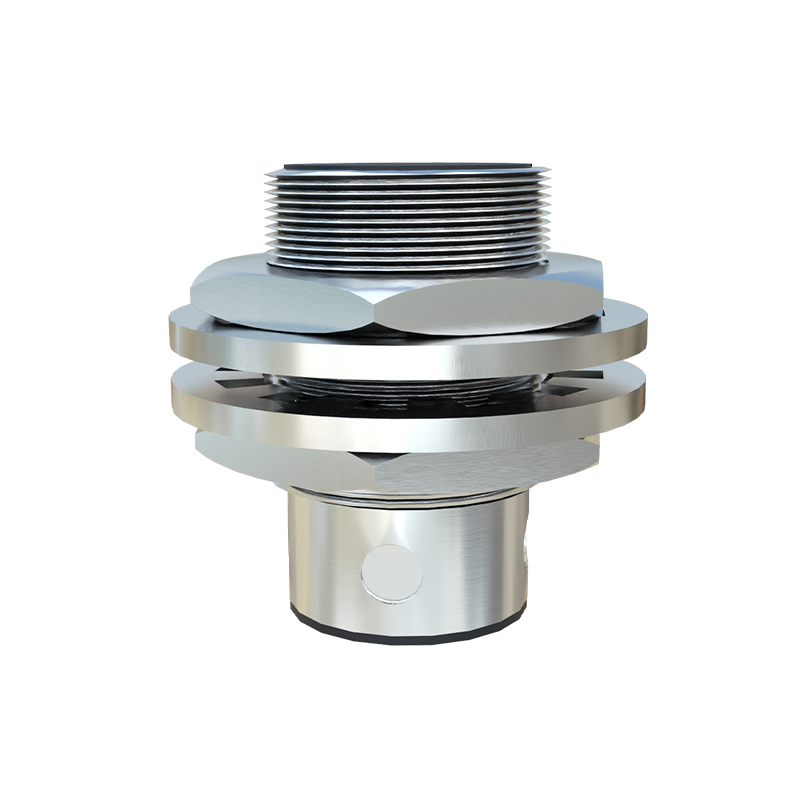
Successful implementation relies on a collaborative partnership between the client and the sensor manufacturer. Clients must provide detailed application notes, including mechanical drawings, environmental specifications, and performance expectations. Reputable manufacturers employ experienced application engineers who can translate these needs into technical specifications, often using prototyping and rigorous testing to validate the design before full-scale production. This iterative process ensures the final product is not just a component, but a reliable solution.
From automotive assembly robots requiring ultra-precise positioning to packaging machines detecting transparent films, and from metal fabrication to cleanroom biotechnology, custom proximity sensors are the unseen enablers of reliability and innovation. They represent a shift from accepting "good enough" to engineering "perfect for the purpose." As industrial applications grow more sophisticated, the ability to tailor sensing technology will continue to be a key driver of operational excellence, proving that in the world of automation, true precision is never standard-issue.